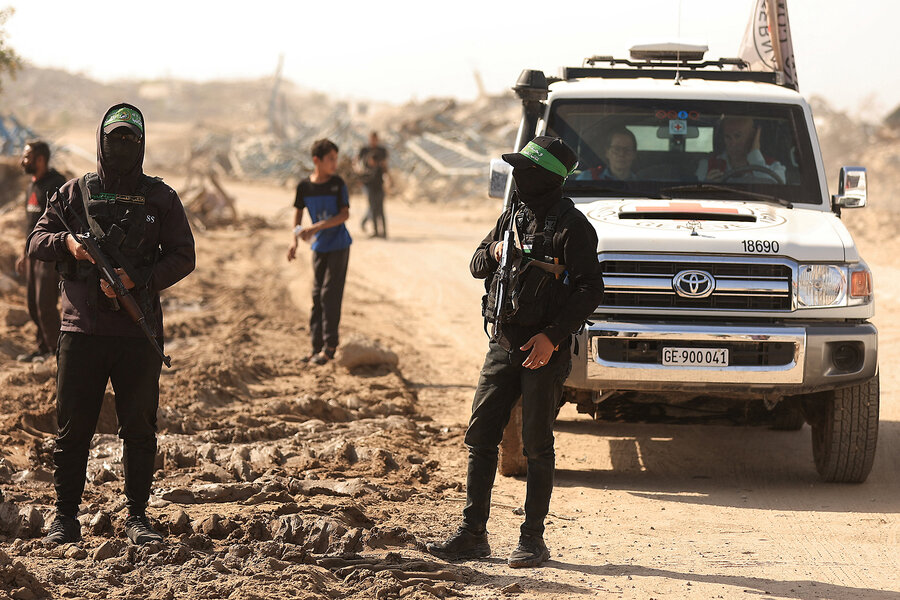
navigating a Fragile Peace: The Future of Gaza Hangs in the Balance
The situation in Gaza remains incredibly delicate, poised between a hard-won ceasefire and a potential return to conflict. Recent developments, including international resolutions and ongoing tensions, highlight the complex challenges facing the region and the pivotal role external actors play in shaping its future. Understanding these dynamics is crucial for anyone seeking to grasp the intricacies of this long-standing conflict.
Recent Escalations and the Ceasefire Agreement
A wave of Israeli airstrikes, responding to alleged Hamas ceasefire violations, has tragically claimed approximately 300 lives since September 29th. These strikes underscore the fragility of the current truce and the persistent mistrust between both sides.
Currently, the ceasefire agreement dictates a temporary division of control within Gaza. Israel maintains a presence in 53% of the territory, while Hamas governs the remaining 47%. Interestingly, some Gazans displaced by recent fighting actually prefer living under Hamas control rather than Israeli administration, a testament to the deeply rooted complexities of the situation.
The International Framework and the Proposed ISF
Last week brought a notable advancement: a United Nations Security Council resolution authorizing the creation of an International Security Force (ISF) for Gaza. This resolution also acknowledged the possibility of a future Palestinian state, a concept met with strong opposition from the current Israeli government, who view it as a potential security threat.
The plan also envisions a transitional authority in Gaza, overseen by a prominent international figure. This framework aims to stabilize the region and pave the way for a more lasting long-term solution.
Disarmament and the Role of mediation
A key sticking point remains the disarmament of Hamas. Mediators, including Turkey and Qatar, are actively working to broker a compromise. This potential agreement would allow Hamas to retain light defensive weaponry while relinquishing heavier arms, such as missiles.
Though, achieving this balance is proving challenging. Complete Hamas disarmament is the stated goal of the Israeli government, creating a significant gap between their demands and the potential compromise being discussed.
The Deciding Factor: External Influence
Ultimately, the fate of the ceasefire – and whether it devolves into renewed conflict – may rest with a single individual. According to experts, the current administration’s stance will be decisive.
If the White House approves the proposed compromise regarding Hamas’s weaponry, it signals a move into the next phase of the ceasefire. Conversely, dissatisfaction with the compromise could easily lead to a resumption of hostilities.
What This Means for You
The situation in Gaza is not simply a distant geopolitical event. It has far-reaching implications for regional stability, international security, and the lives of millions. You can stay informed by:
* Following reputable news sources: Seek out balanced reporting from established news organizations.
* Understanding the historical context: The current conflict is rooted in decades of complex history.
* Recognizing the human cost: Remember that behind the headlines are real people whose lives are profoundly affected by these events.
The path forward remains uncertain. But one thing is clear: a lasting peace in Gaza requires a commitment to dialog, compromise, and a willingness to address the underlying issues that fuel the conflict. The world is watching, and the stakes could not be higher.
Related reading