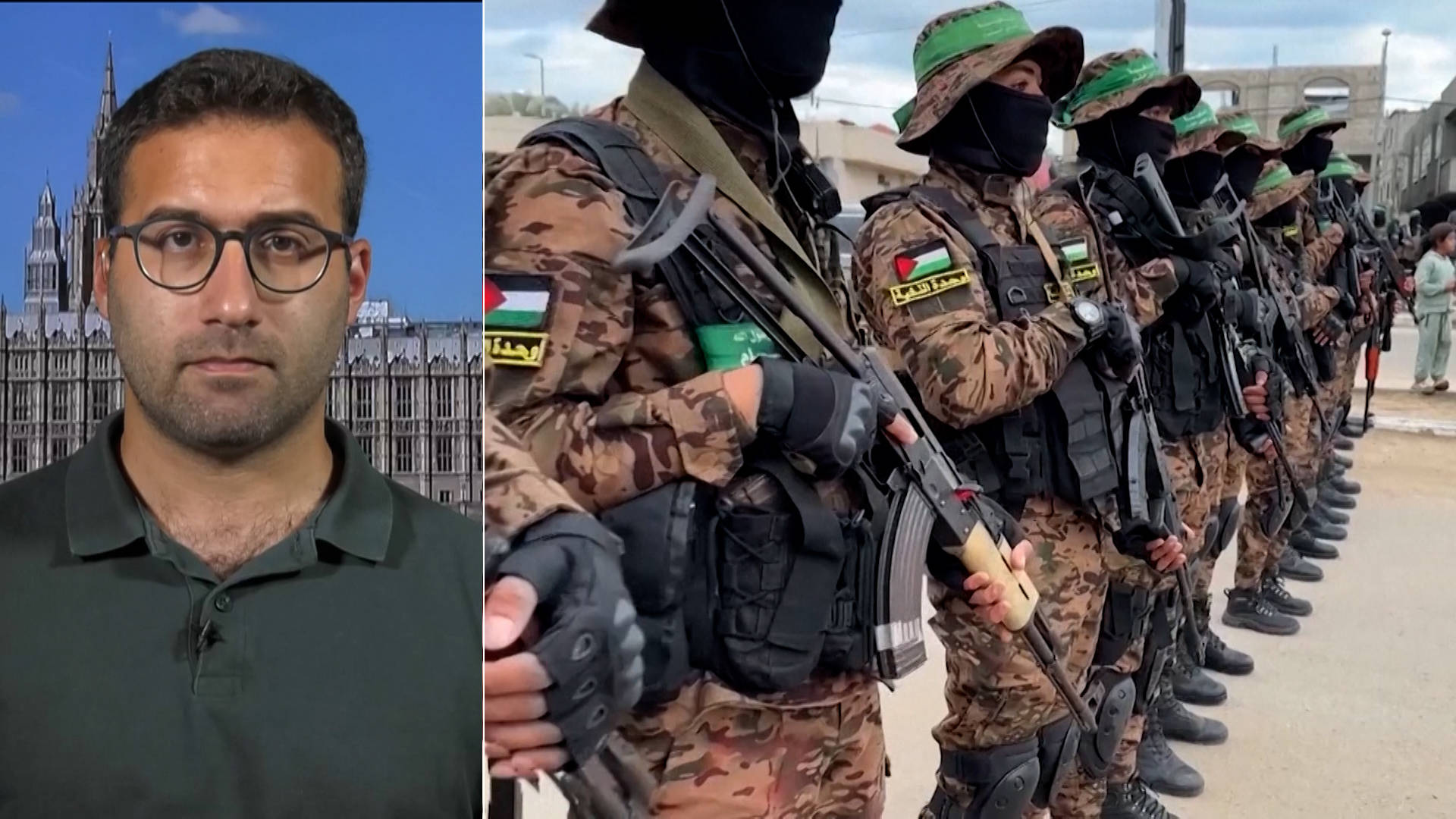
Hamas is dissolving its civilian governing body in the Gaza Strip as part of a U.S.-backed "Board of Peace" 20-point plan intended to end Israel's military assault on the territory.
Mohammed al-Farra, the head of Hamas’s administration, resigned from his position on Monday. This resignation follows nearly two decades of Hamas control over the Gaza Strip. Despite the dissolution of the governing body, Hamas officials stated that its ministries and staff will remain in place, and the group will continue to oversee security and policing in the areas of Gaza currently under its control.
The transition is intended to be managed by the National Committee for the Administration of Gaza (NCAG), a Palestinian technocratic committee formed in January 2026. However, the NCAG has not yet assumed its duties on the ground.
NCAG Transition Stalled in Cairo
Although the NCAG was established to provide transitional control of the territory, the committee has not yet entered Gaza. Amjad Iraqi, a senior Israel-Palestine analyst at the International Crisis Group, stated that the NCAG is “basically stuck in Cairo and not allowed to enter into Gaza to assume those duties.”

Because the technocratic committee remains outside the territory, Iraqi notes that Hamas remains the de facto governing authority on the Palestinian-populated side of Gaza. This creates a gap between the formal diplomatic agreements of the “Board of Peace” plan and the operational reality on the ground.
Ceasefire Violations and Continued Blockade
The “Board of Peace” deal was signed in October, yet the implementation of its ceasefire provisions has been inconsistent. According to analysis from the International Crisis Group, Israel has maintained its blockade of Gaza, restricting the movement of people and essential aid through its borders.
Reports indicate that Israel has violated the ceasefire provisions on a near-daily basis. These actions have resulted in the deaths of nearly 1,100 Palestinians, including women, children, and other unarmed civilians. Iraqi asserts that these violations are rarely challenged by U.S. officials or Nickolay Mladenov, the Board of Peace High Representative for Gaza.
Iraqi characterizes the current diplomatic environment as one where U.S. and international officials are “allowing Israel to keep bending the terms of the ceasefire, if not openly violating it.”
The “Board of Peace” Framework
The 20-point plan serves as the primary diplomatic roadmap for ending the military conflict. Its core objective is to shift Gaza from the governance of Hamas to a transitional administration capable of managing civilian affairs and facilitating reconstruction. The resignation of Mohammed al-Farra is a key procedural step in this framework, though the efficacy of the plan depends on the NCAG’s ability to actually enter the territory.

The ongoing tension centers on the contradiction between Hamas’s formal resignation from governance and its continued role in security and policing. This duality, combined with the continued blockade, suggests that the “Board of Peace” has yet to achieve a stable transition of power.
The next critical checkpoint is the potential entry of the NCAG members from Cairo into Gaza, which would mark the first physical transition of administrative authority under the 20-point plan. Updates on the movement of the committee and the status of the blockade are expected as diplomatic negotiations continue.
We invite readers to share their perspectives on the viability of the NCAG transition in the comments below.