Mid-year market data for Hamburg’s residential real estate sector reveals a nuanced landscape of pricing adjustments, shifting borrowing costs, and widening divides between premium and standard locations, according to recent analysis from market observers. While broader metropolitan figures show stabilization following steep corrections in previous years, structural pressures including a persistent housing shortage, high construction costs, and tighter energy efficiency mandates continue to shape valuations for both single-family houses and condominiums across Germany’s second-largest city.
The mid-year findings arrive as buyers and sellers navigate an evolving financing environment marked by moderate interest rates set by the European Central Bank. According to real estate market analysis reported by ownly.de, borrowing conditions have settled significantly compared to the sharp spikes seen in 2022 and 2023, though any future adjustments to central bank rates remain a critical variable for returning buyer demand.
Financing Environment and Interest Rate Impact
Following the rapid interest rate increases of 2022 and 2023, mortgage conditions have found a steady plateau, offering prospective homeowners clearer financial planning horizons. Market analysts point out that any further monetary easing by the European Central Bank could provide renewed momentum to buyer demand, which remained subdued during the initial phase of higher financing expenses.
Supply Constraints and New Construction Pressures
A core driver of price resilience in Hamburg is the persistent imbalance between supply and demand. According to ownly.de, the city continues to experience robust population growth, drawing professionals, students, and families. However, residential construction activity fails to keep pace with this influx.
A measurable decline in building permits, combined with elevated construction costs and economic uncertainties within the project development sector, points toward a shrinking supply of newly built homes in the medium term. This supply squeeze supports valuations in both the existing inventory and new-build segments, preventing sharper downward price corrections even in a more restrictive financing climate.
The Growing Divide Between Prime and Standard Locations
Hamburg’s property market continues to operate strictly on the principle of location. Market data indicates a widening price gap between highly sought-after neighborhoods featuring well-established infrastructure and simpler, peripheral locations.
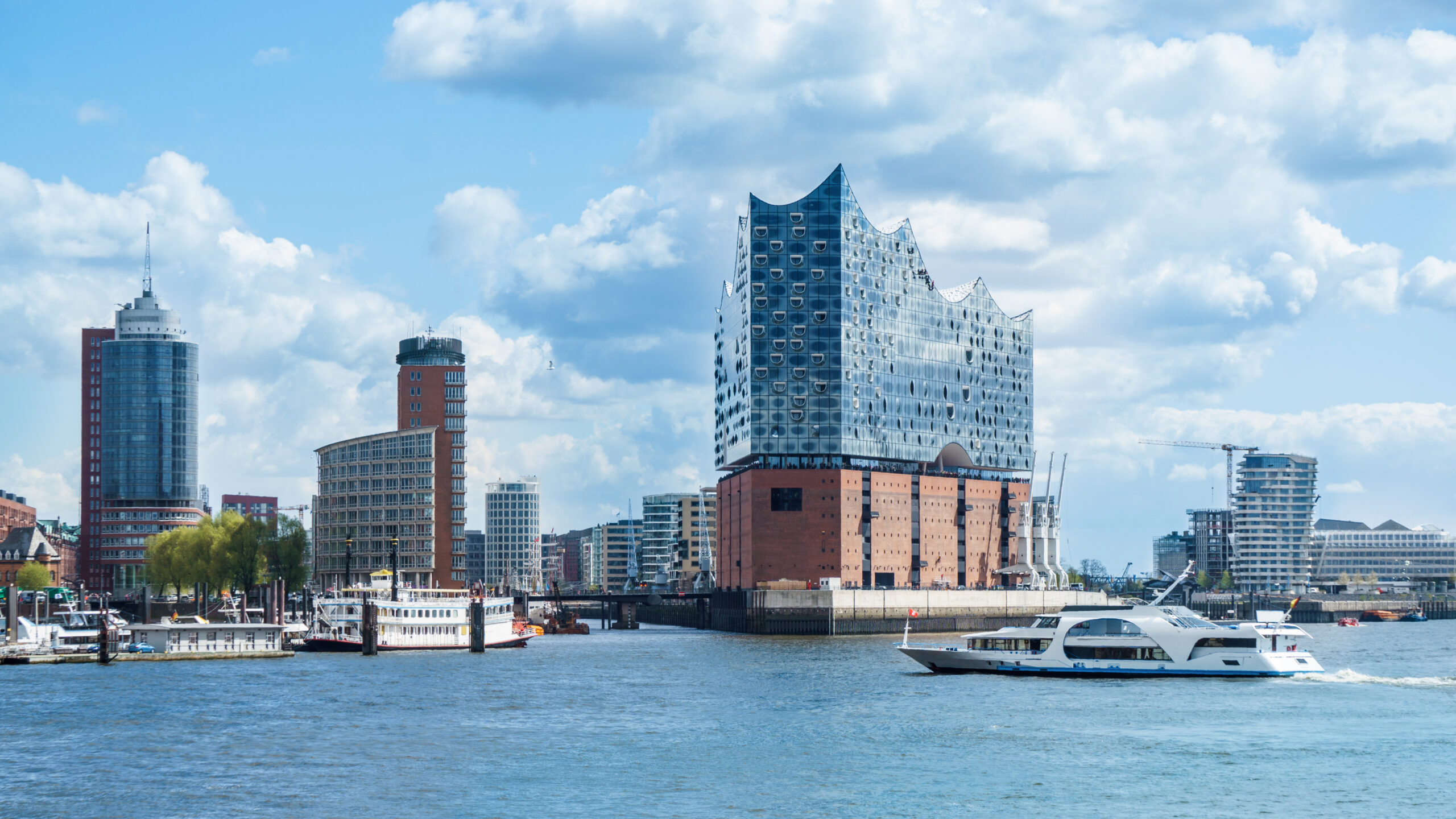
While top-tier residential districts are seeing renewed upward price momentum, standard locations face a more complex environment where localized price corrections remain possible.
Energetic Quality as a Valuation Factor
Beyond traditional location metrics, the physical and energetic condition of a property has emerged as a decisive pricing mechanism. Real estate experts emphasize that properties requiring substantial energetic modernization trade at notable discounts, whereas modern, energy-efficient buildings command clear price premiums.
This stratification is reinforced by regulatory frameworks, including energetic sanitation mandates, national efficiency standards, and available state-backed modernization grants through institutions like the KfW. Property buyers are factoring the cost of future climate-compliance upgrades directly into their initial purchase offers, making energy performance certificates a central document in every transaction.
Worth a look