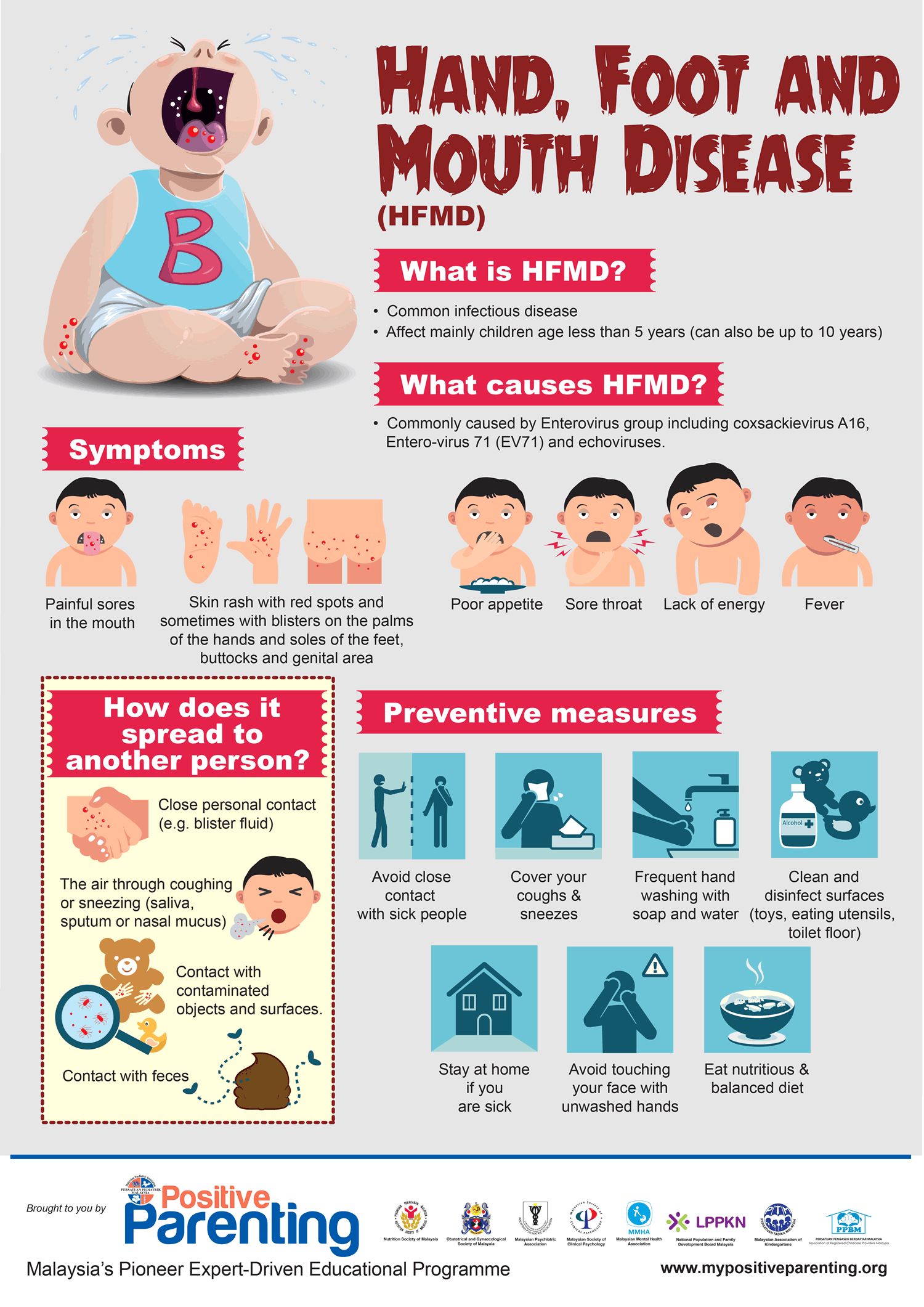
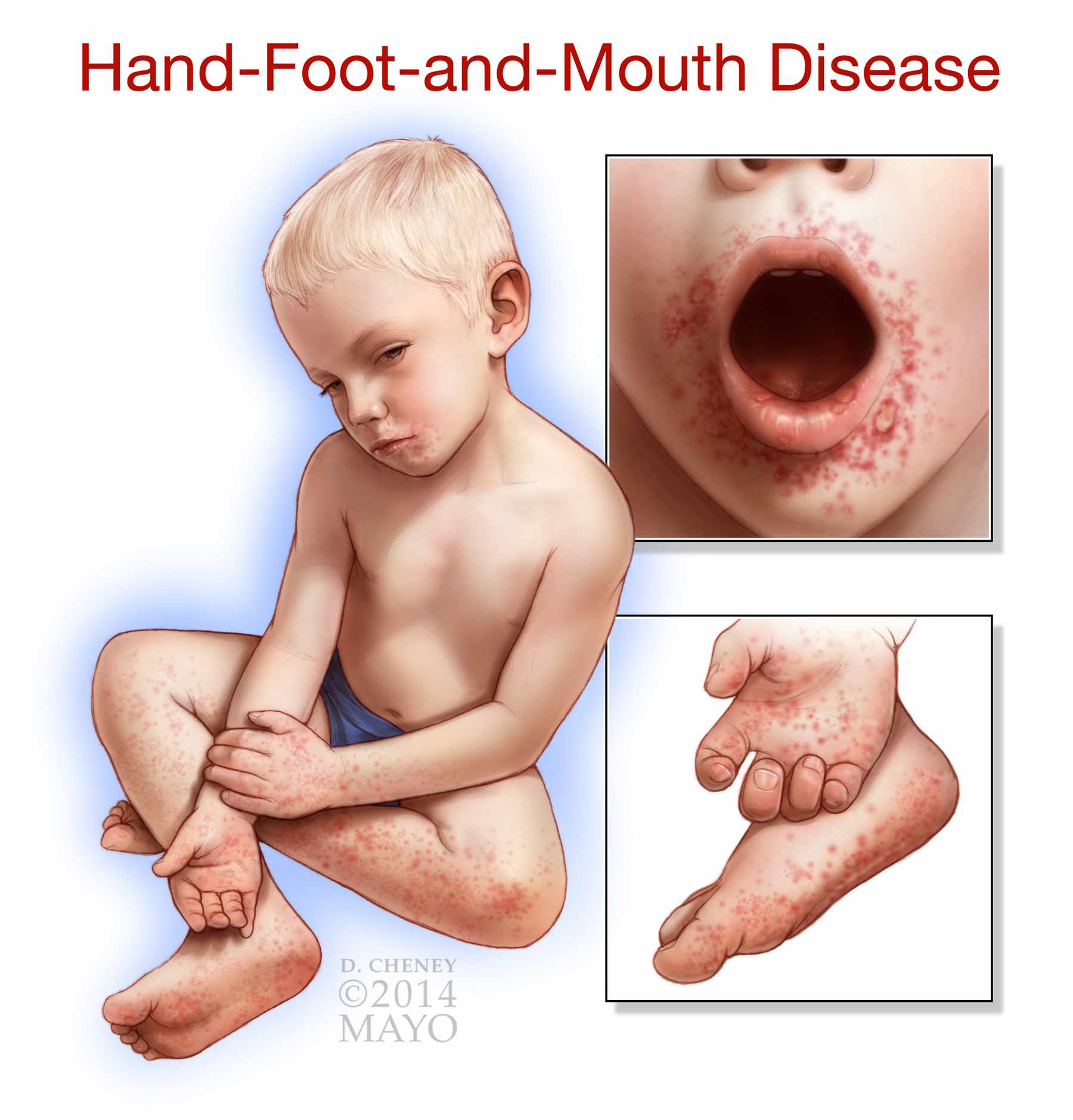
Hand, foot, and mouth disease (HFMD) is currently showing a seasonal uptick in cases, prompting health authorities to urge increased vigilance among families with young children. As temperatures rise, the highly contagious viral infection—common in childcare settings and schools—is spreading, leading to the characteristic development of blisters on the hands, feet, and inside the mouth.
According to the Centers for Disease Control and Prevention (CDC), HFMD is most common in children under the age of 5, though it can affect individuals of any age. The illness is typically caused by coxsackieviruses, which thrive in environments where children congregate. While usually mild, the rapid transmission rate within daycare centers and nurseries often results in localized outbreaks during the warmer months of the year.
Understanding the Transmission of Hand, Foot, and Mouth Disease
The virus spreads primarily through direct contact with an infected person’s bodily fluids. This includes respiratory droplets from coughing or sneezing, contact with blister fluid, or exposure to fecal matter during diaper changes. The World Health Organization (WHO) notes that the virus can remain on surfaces or objects handled by an infected child, making frequent sanitation of toys and shared spaces a critical preventative measure.

Because children can remain contagious even after symptoms subside, medical professionals emphasize the importance of strict hygiene protocols. Handwashing with soap and water remains the most effective defense, especially after changing diapers or assisting a child with toileting. Parents are advised to keep symptomatic children home from school or childcare until fever has resolved and blisters have begun to crust over to prevent further community spread.
Recognizing Symptoms and Managing Recovery
The clinical presentation of HFMD often begins with a fever, reduced appetite, and a general feeling of malaise. One or two days after the fever starts, painful sores may develop in the mouth, often appearing as small red spots that can blister. A skin rash on the palms of the hands and the soles of the feet—sometimes accompanied by small blisters—typically follows. Not every infected individual will exhibit all these symptoms; some may show no signs of illness at all, yet they remain capable of transmitting the virus.
There is currently no specific curative treatment or vaccine for the most common forms of HFMD in the United States or many other regions. Treatment is supportive, focusing on managing discomfort. The Mayo Clinic suggests that over-the-counter pain relief, such as acetaminophen or ibuprofen, can help manage fever and pain, provided these are administered according to age-appropriate guidelines. Maintaining hydration is essential, as mouth sores can make swallowing painful for young children.
When to Consult a Healthcare Provider
While most cases of HFMD resolve on their own within seven to 10 days, parents should monitor their children for signs of dehydration. A child who is unable to swallow liquids, exhibits a high fever that does not respond to medication, or appears unusually lethargic should be evaluated by a pediatrician. In rare instances, complications such as viral meningitis or encephalitis can occur, though these are uncommon in standard cases.
Public health departments often provide real-time updates regarding local outbreaks. Families are encouraged to check their local health department’s website for specific guidance relevant to their geographic area. By adhering to recommended isolation periods and practicing rigorous hand hygiene, caregivers can significantly reduce the impact of this seasonal viral trend.
Key Preventive Strategies for Families
- Frequent Handwashing: Ensure all family members wash hands thoroughly with soap and water for at least 20 seconds, especially after bathroom use.
- Disinfect Surfaces: Regularly clean and disinfect frequently touched surfaces, including doorknobs and children’s toys, which may harbor the virus.
- Avoid Sharing: Discourage the sharing of eating utensils, cups, or personal items like towels among children during peak transmission periods.
- Isolate When Ill: Keep children home from group settings until they are fever-free for at least 24 hours without the use of fever-reducing medications.
As the peak season for hand, foot, and mouth disease continues through the summer months, monitoring local health advisories remains the best way to stay informed. For further information on managing pediatric infectious diseases, readers can visit the American Academy of Pediatrics for updated clinical guidance and parent resources. Please feel free to share your experiences or questions in the comments section below.
Related reading