
The 22nd China International Comics Festival (CICF) officially opened in Hangzhou, Zhejiang, on June 17, establishing a major international platform for the animation, comics, and games (ACG) sectors. The event brings together industry professionals, digital content creators, and global fans to explore the latest trends in intellectual property (IP) development and cultural exchange.
Organizers of the festival stated that this edition serves as a central hub for both business-to-business (B2B) matchmaking and business-to-consumer (B2C) engagement. By hosting the event in Hangzhou, a city recognized for its integration of digital technology and cultural heritage, the festival aims to facilitate international collaborations and showcase the rapid evolution of China’s digital content industry.
The festival’s commencement coincides with a period of significant growth in the global ACG market. According to industry reports, the intersection of gaming, animation, and traditional storytelling has become a primary driver for digital media consumption worldwide. This year’s event focuses on how these sectors can leverage emerging technologies to expand their reach across international borders.
What are the primary objectives of the 22nd China International Comics Festival?
The 22nd China International Comics Festival is designed to function as both a commercial marketplace and a cultural exhibition. A core objective is the promotion of “IP-driven” economic models, where successful characters and storylines from comics or animations are expanded into various media, including mobile games, toys, and themed entertainment. This strategy is central to the growth of the modern entertainment economy in the Zhejiang region.
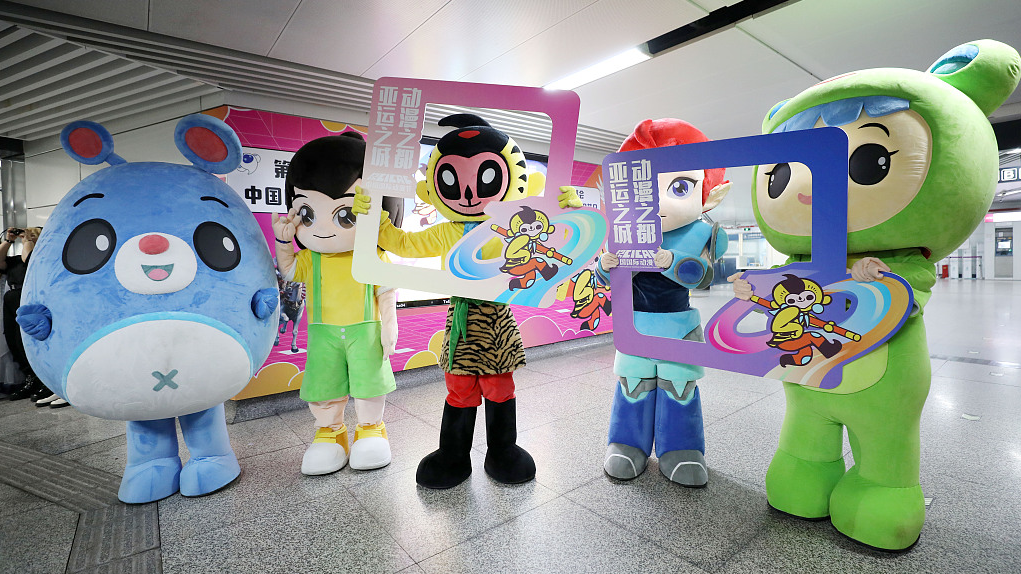
Industry analysts note that the festival provides a critical venue for domestic companies to engage with international studios. These interactions often lead to licensing agreements, co-production deals, and the sharing of technical expertise in animation rendering and digital character design. The event also highlights the “Guofeng” or “national style” movement, which integrates traditional Chinese aesthetic elements into modern animation and gaming contexts.
For consumers, the festival offers direct access to exclusive merchandise, artist signings, and interactive displays. This dual-track approach—catering to high-level industry negotiations and large-scale fan engagement—is intended to strengthen the entire supply chain of the animation and gaming ecosystem.
How is Hangzhou shaping the future of the digital economy?
Hangzhou’s role as the host city is not incidental to the festival’s scale. The city has positioned itself as a cornerstone of China’s digital economy, supported by provincial-level policies in Zhejiang that prioritize high-tech industries and digital content creation. The integration of the animation industry into the broader digital framework allows for seamless transitions between content creation, distribution, and digital commerce.
The local government has implemented various initiatives to foster a “digital culture” cluster. This includes providing infrastructure for digital studios, supporting talent acquisition in the field of computer graphics, and encouraging the use of cloud computing for large-scale animation production. The presence of the CICF acts as a catalyst for these regional economic goals, attracting investment and human capital to the Zhejiang province.
Furthermore, the city’s advanced digital payment and logistics infrastructure provides a functional testing ground for the “metaverse” and other immersive digital experiences that are increasingly relevant to the ACG community. This synergy between the physical event and the digital infrastructure of Hangzhou is a key differentiator for the festival’s impact on the regional economy.
Technological advancements and industry trends at CICF
A significant portion of the discussions and exhibitions at this year’s festival centers on the application of Artificial Intelligence (AI) and real-time rendering technologies in animation and game development. These tools are lowering the barrier to entry for smaller studios while allowing larger enterprises to produce high-fidelity content at faster speeds.
Key technological trends being highlighted include:
- Generative AI in Concept Art: Using AI to assist in the rapid prototyping of character designs and background environments.
- Real-Time Engines: The use of game engines, such as Unreal Engine, to produce cinematic-quality animation that can be interacted with in real-time.
- Cross-Platform IP Integration: Developing content that can move seamlessly between mobile devices, consoles, and VR/AR hardware.
- Digital Human Technology: The creation of highly realistic digital avatars for use in both gaming and virtual social spaces.
While these technologies offer immense creative potential, they also prompt ongoing industry discussions regarding copyright, the authenticity of digital art, and the evolving role of human creators in an automated production environment. The festival provides a forum for these complex issues to be debated by legal experts and creative professionals.
Comparison of ACG Market Drivers
To understand the significance of the festival, it is helpful to compare the traditional drivers of the animation industry with the modern, technology-led drivers seen at the CICF.
| Feature | Traditional Animation Model | Modern ACG/Digital Model (CICF Focus) |
|---|---|---|
| Primary Medium | Television and Film | Cross-platform (Games, Mobile, Social Media) |
| Revenue Stream | Advertising and Ticket Sales | IP Licensing, In-app Purchases, Merchandising |
| Technology Focus | Hand-drawn or Standard CGI | AI-assisted, Real-time Rendering, VR/AR |
| Consumer Role | Passive Viewer | Active Participant/Co-creator |
What does this mean for the global entertainment landscape?
The expansion of the Chinese ACG sector, as showcased by the CICF, has direct implications for the global entertainment market. As Chinese studios produce higher-quality content and more sophisticated games, they are increasingly competing for the attention of a global audience. This competition is driving innovation in animation techniques and storytelling methods worldwide.
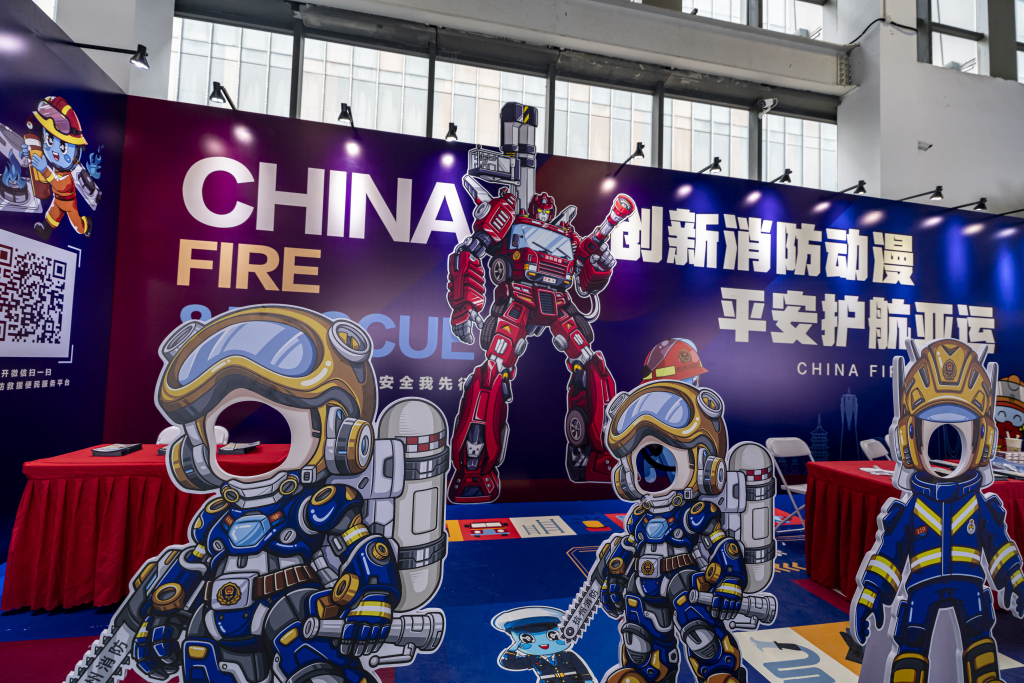
The festival’s emphasis on international cooperation suggests that the future of the industry will be increasingly collaborative rather than siloed. We are likely to see more co-productions between Eastern and Western studios, as well as a more diverse range of cultural perspectives appearing in mainstream global media. This shift is part of a broader trend of cultural globalization where digital content serves as a primary medium for soft power and cultural exchange.
For investors and stakeholders, the CICF serves as an indicator of where capital is flowing within the digital creative economy. The emphasis on IP and technological integration suggests that the most valuable assets in the coming decade will be those that can successfully bridge the gap between digital content and interactive experiences.
Frequently Asked Questions
Who can attend the China International Comics Festival?
The festival is open to both industry professionals looking for business opportunities and the general public interested in animation, comics, and gaming culture.
Where is the festival located?
The event is held in Hangzhou, Zhejiang Province, China, a major hub for the country’s digital economy.
What is the main focus of this year’s event?
The 22nd edition focuses heavily on the integration of new technologies, such as AI and real-time rendering, with intellectual property (IP) development and international cultural exchange.
Is the festival only for artists?
No. While artists are central, the festival also includes significant business matchmaking, technological showcases, and consumer-facing exhibitions.
The next scheduled update regarding the festival’s official outcomes and major partnership announcements is expected toward the conclusion of the event’s duration. Follow local Hangzhou industry bulletins for detailed reports on specific new IP launches and technological demonstrations.
For more updates on global entertainment and digital culture trends, please share this article and leave your comments below.
Keep reading