The story of Hannah Nokes, a Black transgender woman who garnered attention in the 1930s, offers a compelling glimpse into a little-known chapter of American history. While a recent Virginia trial involving a double-murder initially brought Nokes to the attention of historian Amy Bertsch, it was Nokes herself – her courage, her visibility, and the complex reactions she provoked – that truly captivated Bertsch’s research. Nokes’s life, lived against the backdrop of racial segregation and evolving understandings of gender identity, reveals a story of resilience and acceptance within her community, even as she faced public scrutiny, and prejudice. This narrative challenges conventional understandings of transgender history, demonstrating that individuals like Nokes were present and visible long before the contemporary LGBTQ+ rights movement.
Born in 1898, Hannah Nokes resided in the Sterling community of Loudoun County, Virginia, where her family was well-established. She worked as a domestic worker, supplementing her income by taking in laundry and renting rooms in her home to travelers. This provided her with a degree of economic independence and positioned her as a known figure within the local area. In 1933, Nokes found herself unexpectedly thrust into the public spotlight when she was called to testify in the trial of George Crawford, a Black man accused of double murder in Loudoun County. The case, notable for its all-Black defense team led by Charles Houston, a prominent civil rights attorney, drew national attention due to the challenge it posed to the racially biased jury system of the time.
A Witness in a Landmark Case
Nokes’s connection to the case stemmed from the fact that Crawford had been a boarder in her home. As a witness for the prosecution, her testimony was considered crucial. However, it was her very presence in the courtroom that caused a stir. Bertsch’s research, conducted at the Thomas Balch Library in Leesburg and the Library of Congress, revealed numerous articles that focused not on the substance of her testimony, but on her gender identity. These articles, particularly those published in The Afro American newspaper, often employed derogatory language and mocked her appearance. Headlines such as “Red-wigged boy-girl,” “a girl-friend fairy,” and “masquerading as a woman” reflect the prejudice and sensationalism prevalent in the media of the era.
The trial itself became a focal point for discussions about race and justice. Charles Houston and his legal team strategically challenged the all-white jury, arguing that it could not deliver a fair verdict to a Black defendant. Charles Houston, a graduate of Harvard Law School and a leading figure in the NAACP’s legal strategy, was instrumental in laying the groundwork for the landmark Brown v. Board of Education case. His defense of Crawford, and the attention it garnered, highlighted the systemic racism within the American legal system. Amidst this legal battle, Nokes’s testimony and her very existence as a visible transgender woman became a secondary, yet significant, point of public fascination.
A particularly telling moment during the trial occurred when Nokes’s nephew was questioned about her gender identity. According to Bertsch, Houston deliberately asked the nephew whether Nokes was his “aunt” or his “uncle,” and the nephew unequivocally affirmed that she was his aunt. This exchange, Bertsch argues, served as a clear indication that Nokes’s identity was accepted and recognized within her family and community. It demonstrated a level of familial support and understanding that challenged the prevailing societal norms and prejudices of the time.
Visibility and Recognition
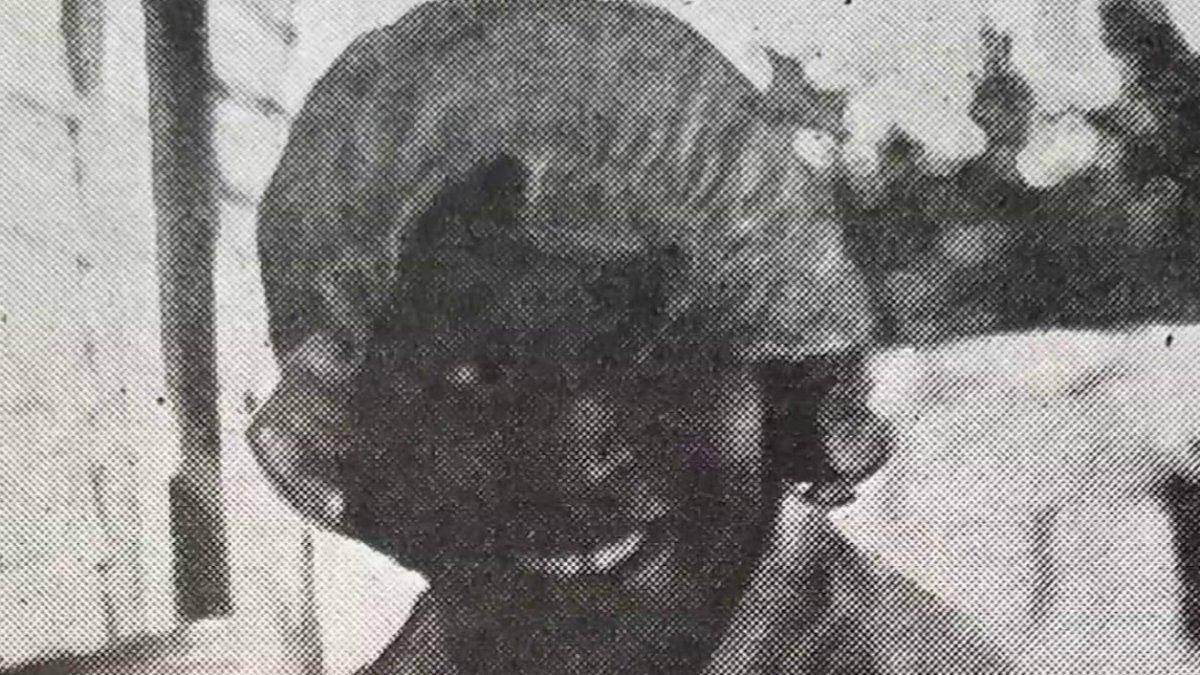
Remarkably, shortly after the trial, Nokes was featured in a publication by the Rural Electrification Administration (REA). This feature coincided with Nokes’s connection to electricity, a significant development that boosted her laundry business. The photograph accompanying the article, which is the only known image of Nokes, presents her as a woman without any questioning of her gender identity. The Rural Electrification Administration, established in 1935 as part of President Franklin D. Roosevelt’s Fresh Deal, aimed to bring electricity to rural areas of the United States. Nokes’s inclusion in their publication underscores her integration into the community and the acceptance she received in her daily life.
This visibility is particularly striking given the social climate of the 1930s. The era was marked by strict gender roles and widespread discrimination against both racial minorities and individuals who defied conventional gender norms. Nokes’s story, as documented by Bertsch and included in the book “Queer Virginia” by Charles H. Ford and Jeffrey L. Littlejohn, challenges the notion that transgender identity is a recent phenomenon. It demonstrates that individuals like Nokes were living openly and navigating complex social landscapes decades before the modern LGBTQ+ rights movement.
A Lasting Legacy
Hannah Nokes passed away in 1972. According to Bertsch, her family’s final concern was ensuring she was appropriately clothed for her burial. They were relieved to learn that she was laid to rest in a beautiful blue dress, a testament to her affirmed gender identity and the respect she commanded within her family. This detail, while seemingly small, speaks volumes about the enduring love and acceptance she received from those closest to her.
Nokes’s story serves as a powerful reminder that the struggle for LGBTQ+ rights and acceptance has a long and often overlooked history. Her life demonstrates that transgender individuals have always been a part of society, and that acceptance and understanding are possible even in the face of prejudice and discrimination. The rediscovery of her story, through the diligent research of historians like Amy Bertsch, is helping to rewrite the narrative of American history and to recognize the contributions of those who have been marginalized and forgotten.
Key Takeaways
- Hannah Nokes was a Black transgender woman who lived openly in Virginia during the 1930s.
- She gained public attention as a witness in a high-profile murder trial, where her gender identity became a subject of scrutiny.
- Despite facing prejudice in the media, Nokes was accepted and supported by her family and community.
- Her story challenges conventional understandings of transgender history and demonstrates that transgender individuals have always been present in American society.
- Nokes’s life highlights the importance of recognizing and celebrating the contributions of marginalized communities.
The ongoing work of historians and researchers continues to uncover stories like Nokes’s, enriching our understanding of the past and informing our efforts to create a more inclusive future. Further research into local archives and historical records is likely to reveal even more details about Nokes’s life and the broader context of transgender history in the United States. As we continue to learn from the past, People can strive to build a society where all individuals are treated with dignity and respect.
Please share your thoughts and reflections on Hannah Nokes’s story in the comments below. Your engagement helps to amplify these vital narratives and to foster a more informed and compassionate understanding of history.
Keep reading