
Spain Confirms New Hantavirus Cases: Two Patients in Quarantine as Europe Faces Rising Risks
Spanish health authorities have confirmed two new cases of hantavirus infection, both currently under mandatory quarantine in Madrid, marking the latest development in Europe’s growing concern over the zoonotic virus. As climate change expands the habitats of rodent carriers, public health officials warn the continent may see more sporadic outbreaks—especially in areas with poor ventilation or close contact with wild rodents. Here’s what we know about the latest cases, the virus’s behavior, and how authorities are responding.
The two confirmed cases—both adults—were identified through routine screening following exposure risks, according to sources familiar with the investigation. Spanish health officials have not yet disclosed the exact locations where exposure occurred, but preliminary investigations suggest potential links to rural or peri-urban environments where rodent populations thrive. The patients are now isolated in designated quarantine facilities while health authorities work to trace contacts and prevent further spread.
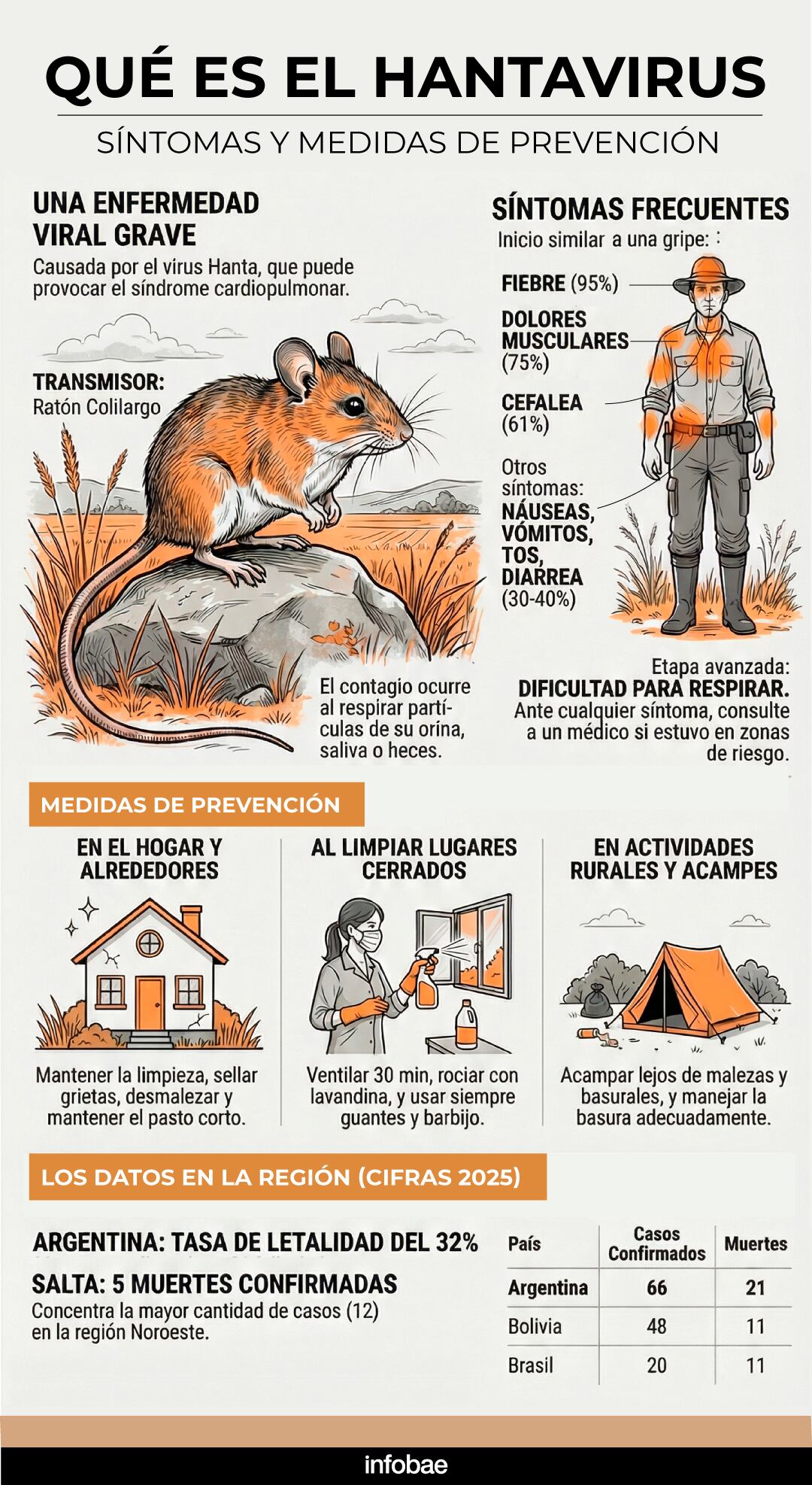
While hantavirus infections remain rare in Spain, the cases follow a series of international alerts, including a deadly outbreak aboard a luxury cruise ship earlier this year and confirmed cases in South Africa. Experts emphasize that the virus—transmitted through inhalation of aerosolized rodent urine, droppings, or saliva—poses a serious but preventable risk when proper hygiene and environmental controls are in place.
What We Know About the Latest Cases
Spanish health authorities have not yet released detailed clinical profiles of the two patients, but preliminary reports indicate both individuals are currently asymptomatic or experiencing mild symptoms. Officials are monitoring their conditions closely, with protocols in place to escalate care if respiratory distress or other severe symptoms develop. The World Health Organization (WHO) has classified hantavirus as a priority zoonotic disease, noting that while most infections result in mild illness, some strains—particularly those causing hemorrhagic fever with renal syndrome (HFRS)—can be fatal if untreated.

The cases come as Europe grapples with a broader rise in vector-borne diseases, including tick-borne encephalitis and Lyme disease, attributed to warming temperatures and shifting ecosystems. A 2021 Euro Surveillance study highlighted how climate change is expanding the geographic range of rodent species that carry hantavirus, increasing the risk of human exposure in previously unaffected regions.
Hantavirus in Europe: A Growing Threat
Hantavirus infections in Europe have historically been concentrated in Scandinavia, the Balkans, and parts of Eastern Europe, where specific rodent species (such as the bank vole) serve as primary reservoirs. However, recent cases—including the tragic outbreak aboard the MV Hondius cruise ship in early 2026—have demonstrated the virus’s potential to spread through human movement and poor ventilation in enclosed spaces.
The cruise ship incident, which resulted in multiple fatalities and severe illnesses among passengers and crew, underscored the virus’s high lethality in certain strains. While the Spanish cases appear to involve a less aggressive variant, health officials are treating them with heightened vigilance given the lack of specific antiviral treatments and the virus’s unpredictable nature.
Understanding Hantavirus: Symptoms and Prevention
Hantavirus infections typically present in two phases:
- Early symptoms (3–5 days after exposure): Fever, chills, muscle aches, headaches, and fatigue—often mistaken for influenza.
- Later symptoms (in severe cases): Severe respiratory distress (in cases of hantavirus pulmonary syndrome, or HPS) or kidney failure (HFRS). Without intensive care, these can be fatal.
Prevention focuses on minimizing contact with rodents and their excretions:
- Seal gaps in homes or workplaces to exclude rodents.
- Avoid disturbing rodent nests or droppings.
- Use disinfectants containing bleach (1 part bleach to 10 parts water) to clean contaminated areas.
- Wear masks in areas with high rodent activity.
There is no vaccine for hantavirus, making early detection and supportive care critical.
How Europe Is Responding
In response to the rising threat, European health agencies—including the European Centre for Disease Prevention and Control (ECDC) and the WHO’s regional office—have issued updated guidelines for healthcare providers and travelers. Key measures include:
- Enhanced surveillance: Mandatory reporting of suspected cases to national health authorities.
- Travel advisories: Warnings for travelers to rural or forested areas in high-risk countries.
- Public awareness campaigns: Educating communities on rodent control and hantavirus risks.
- Research funding: Accelerating studies on rapid diagnostic tools and potential treatments.
The ECDC has also emphasized the importance of international cooperation to track and respond to outbreaks, given the virus’s potential to spread through global travel.
Key Takeaways
- Two confirmed hantavirus cases in Spain, both under quarantine in Madrid (as of May 25, 2026).
- No deaths reported in the latest cases, but symptoms are being monitored closely.
- Europe faces increased hantavirus risks due to climate change and rodent habitat expansion.
- Prevention is critical: Rodent control, ventilation, and hygiene reduce exposure risks.
- No vaccine exists; early medical intervention improves survival rates in severe cases.
- Health authorities urge vigilance in rural areas and during international travel.
Frequently Asked Questions
Q: How is hantavirus transmitted?

Primarily through inhalation of aerosolized rodent urine, droppings, or saliva. Rarely, it can spread through direct contact with infected rodents or their nests.
Q: Are the Spanish cases linked to the cruise ship outbreak?
Not confirmed. Spanish officials have not indicated a direct connection, but investigations are ongoing to assess potential exposure routes.
Q: What should travelers do to avoid hantavirus?
Stay in well-maintained accommodations, avoid sleeping on the ground or in poorly ventilated spaces, and use insect repellent in rodent-prone areas. Consult travel health advisories before visiting high-risk regions.
Q: Is hantavirus contagious between humans?
No. The virus does not spread person-to-person, which limits its potential for widespread outbreaks.
What Happens Next?
Spanish health officials are expected to release additional details about the two cases in the coming days, including potential exposure sites and contact tracing results. Meanwhile, the ECDC will convene an emergency meeting on June 2 to assess the broader European risk and coordinate response strategies. The WHO has also signaled plans to update its hantavirus technical guidance later this month, incorporating lessons from recent outbreaks.
For the public, the most critical action remains vigilance. Rodent control in homes and workplaces, along with awareness of symptoms, can prevent severe illness. Health authorities recommend reporting any suspected cases immediately to local medical providers.
Have questions about hantavirus risks or prevention? Share your concerns in the comments below, or explore our detailed prevention guide for more information.
For official updates, follow the Spanish Ministry of Health and ECDC.