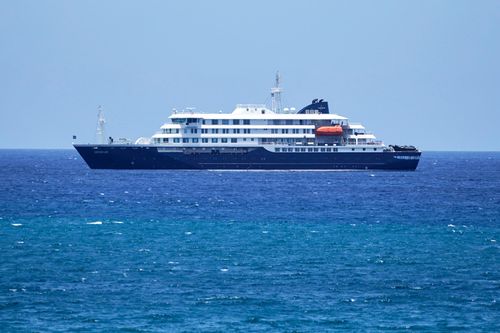
Hantavirus Outbreak on Cruise Ship: MV Hondius Quarantined in Rotterdam After Deadly Cases
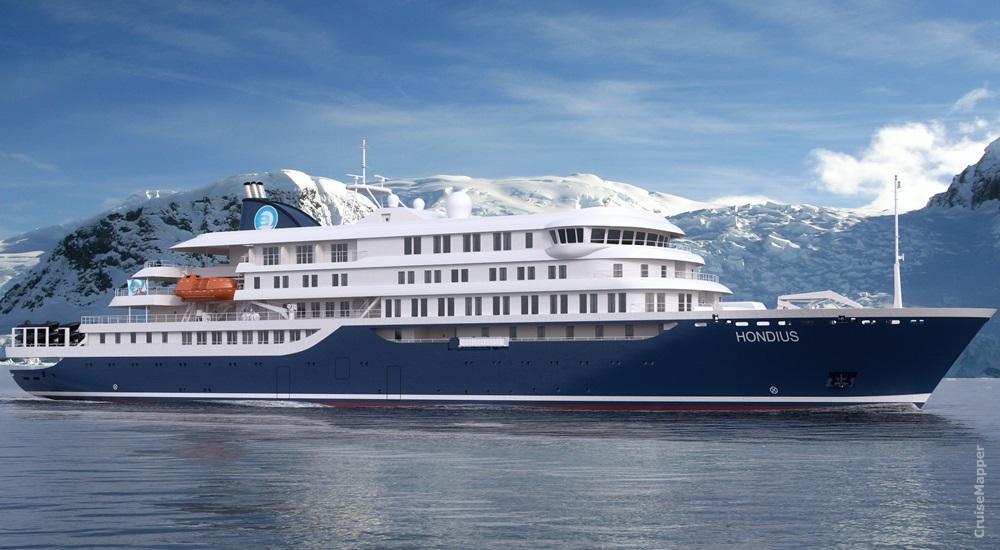
The MV Hondius, a cruise ship at the center of a hantavirus outbreak, has docked in Rotterdam for mandatory disinfection and crew quarantine after passengers were disembarked on the Spanish island of Tenerife last week. Dutch public health officials confirmed that while no crew members have yet shown symptoms, the vessel will undergo a three-day decontamination process under strict protocols to prevent further spread of the virus.
This represents the first known hantavirus outbreak on a cruise ship, raising alarms among international health authorities. The ship arrived in Europe’s largest port on Monday morning carrying 25 crew members and two medical personnel, who will now be quarantined in temporary containers set up near the dock. Crew members will undergo immediate testing upon arrival, followed by weekly screenings throughout their quarantine period.
Yvonne van Duijnhoven, director of public health in Rotterdam, emphasized that the risk to the public remains “extremely low” due to Dutch protocols designed to contain the virus. “We have very strict protocols to prevent the virus from going from the ship toward the outside world,” she told the Associated Press. The ship’s owner, a Dutch company, has stated that no changes to its operations are expected, including an upcoming Arctic cruise scheduled to depart from Keflavik, Iceland, on May 29.
What Is Hantavirus, and How Does It Spread?
Hantaviruses are a family of viruses primarily transmitted through contact with rodents—particularly rats and mice—via their urine, droppings, or saliva. While most hantaviruses cause severe respiratory illnesses like hantavirus pulmonary syndrome (HPS) in the Americas or hemorrhagic fever with renal syndrome (HFRS) in Europe and Asia, person-to-person transmission is rare and typically limited to close contact with infected individuals.
Symptoms of hantavirus infection can include fatigue, fever, muscle aches, headaches, and abdominal pain, followed by coughing and shortness of breath in later stages. The Centers for Disease Control and Prevention (CDC) notes that early symptoms may appear 1–8 weeks after exposure, making containment efforts like those underway in Rotterdam critical to preventing further cases.
How Did the Outbreak Occur, and What Happens Next?
The MV Hondius’s outbreak was first detected after passengers began exhibiting symptoms during the voyage. Authorities in Tenerife allowed all passengers to disembark last week, but the crew remained on board due to logistical constraints. Upon arrival in Rotterdam, Dutch officials immediately implemented quarantine measures, including the use of hazardous materials suits for boarding inspections and the setup of temporary containment units along the port.

Decontamination of the ship will follow Dutch public health guidelines, a process expected to take three days. Officials will inspect the vessel before permitting it to resume operations. The ship’s owner has not indicated any changes to its schedule, though the upcoming Arctic cruise raises questions about whether additional precautions will be taken given the outbreak’s severity.
Global Health Authorities Monitor the Situation
While the Dutch government has downplayed the public health risk, the incident has prompted scrutiny of cruise ship sanitation standards. The World Health Organization (WHO) has not yet issued a statement, but health officials worldwide are likely monitoring the situation closely, given the potential for hantavirus to spread in confined spaces like ships.
For travelers, the CDC and WHO recommend avoiding contact with rodents and ensuring proper ventilation in areas where rodent activity is suspected. Cruise lines may also face increased scrutiny over rodent control measures aboard vessels.
What You Need to Know
- No confirmed crew cases: As of May 18, 2026, no crew members on the MV Hondius have shown symptoms.
- Quarantine in place: All 25 crew members and two medical personnel are under quarantine in Rotterdam.
- Decontamination underway: The ship will undergo a three-day disinfection process before being cleared for further voyages.
- First cruise ship outbreak: This is the first documented hantavirus case on a commercial cruise ship.
- Public risk assessed as low: Dutch officials emphasize strict containment protocols to prevent spread.
- Next voyage unaffected: The ship’s owner has no plans to cancel the May 29 Arctic cruise.
What’s Next for the MV Hondius and Global Health?
The next critical checkpoint will be the completion of the ship’s decontamination process, expected by May 21, 2026. Dutch health officials will then determine whether the vessel can resume operations. Meanwhile, international health organizations may issue updated guidelines for cruise lines to prevent similar outbreaks.

For the latest updates, monitor official statements from the Dutch National Institute for Public Health and the Environment (RIVM) and the CDC. If you have questions about travel safety or hantavirus prevention, leave them in the comments below.
Stay informed. Share this article to raise awareness about hantavirus risks on cruise ships.