
For many of us, our pets are members of the family, sharing our beds, our couches and our daily routines. But when news of zoonotic diseases—illnesses that jump from animals to humans—begins to circulate, a specific anxiety often takes hold: Could my dog or cat be bringing something dangerous into my home? Recently, questions have surfaced regarding hantavirus and whether our beloved pets can act as carriers or transmitters of the virus.
As a physician and health journalist, I have spent over a decade navigating the intersection of internal medicine and public health. I know that when medical terminology like “zoonotic transmission” enters the public discourse, it can create a wave of unnecessary panic. The fear is understandable; hantavirus is a severe condition that requires immediate medical attention. However, understanding the specific biology of how this virus moves is the best way to replace anxiety with actionable safety.
The short answer to the question of whether cats and dogs can transmit hantavirus is a nuanced “no,” but with a critical caveat regarding hygiene. To be clear: dogs and cats are not “reservoirs” for the hantavirus. They do not carry the virus in their systems, they do not shed it through their saliva or urine, and they cannot “infect” a human in the way a rodent does. However, because pets are curious and often hunt, they can act as mechanical vectors—meaning they can physically transport the virus on their fur or paws without being sick themselves.
To protect your household, it is essential to move past the headlines and understand the actual mechanics of hantavirus pulmonary syndrome (HPS) and hemorrhagic fever with renal syndrome (HFRS). By focusing on the real source of the risk—rodent populations—pet owners can maintain a safe environment for both their animals and their families.
The Difference Between a Reservoir and a Mechanical Vector
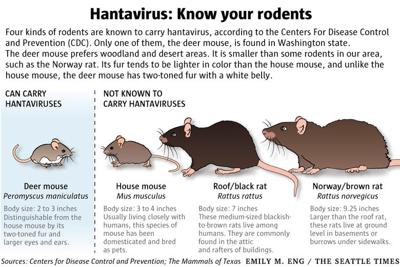
To understand why your cat isn’t a “hantavirus carrier,” we have to look at the biological concept of a reservoir host. A reservoir is a species in which a pathogen lives and multiplies without necessarily causing severe disease to the host, allowing the pathogen to persist in nature. In the case of hantaviruses, the reservoirs are specific species of rodents. For example, in the United States, the deer mouse is the primary reservoir for the virus that causes Hantavirus Pulmonary Syndrome (HPS).
Dogs and cats do not possess the specific biological receptors or environment required for hantaviruses to replicate within their bodies. A dog cannot “catch” hantavirus from a mouse and then “give” it to a human through a lick or a cuddle. In the medical community, we distinguish this from “mechanical transmission.”

Mechanical transmission occurs when a pathogen is physically moved from one place to another without infecting the carrier. Imagine a cat catching a mouse in a dusty crawlspace. The cat may not be infected, but its paws and fur can pick up dust, dried urine, or droppings from the infected rodent. If that cat then jumps onto your bed or rubs against your face, it is not “transmitting” the virus from its own body, but rather delivering contaminated environmental particles to you. The risk is not the pet; the risk is the rodent waste the pet encountered.
How Hantavirus Actually Spreads
The primary route of human infection is through the inhalation of aerosolized viral particles. When infected rodent urine, droppings, or saliva dry out, the virus can become suspended in the air as tiny droplets of dust. When a person sweeps a dusty garage or vacuums an old shed where mice have nested, they stir these particles into the air and breathe them in.
According to the Centers for Disease Control and Prevention (CDC), symptoms of HPS typically appear one to eight weeks after the initial exposure to an infected rodent. This latency period often makes it difficult for patients to pinpoint exactly when or where they were exposed, which is why public health officials emphasize prevention over retrospective diagnosis.
While the most common transmission is airborne, infection can also occur through direct contact. This includes touching contaminated materials and then touching your nose or mouth, or in rare instances, being bitten or scratched by an infected rodent. Most hantaviruses do not spread between humans. The only known exception is the Andes virus found in South America, where limited human-to-human transmission has been documented among close contacts.
HPS vs. HFRS: A Global Perspective
Depending on where you live, the manifestation of hantavirus differs significantly. As a physician trained in Berlin, I have seen how regional variations in viral strains dictate the clinical approach to treatment. Hantaviruses generally cause two distinct syndromes based on the geography and the specific rodent reservoir involved.

Hantavirus Pulmonary Syndrome (HPS)
Prevalent in the Americas, HPS is a severe respiratory disease. It begins with flu-like symptoms—fatigue, fever, and muscle aches, particularly in the thighs, hips, and back. As the disease progresses, it leads to the rapid accumulation of fluid in the lungs, making breathing extremely difficult. The World Health Organization (WHO) notes that in the Americas, hantavirus cardiopulmonary syndrome can have a case fatality rate of up to 50%, making early supportive care critical for survival.
Hemorrhagic Fever with Renal Syndrome (HFRS)
In Europe and Asia, hantaviruses typically cause HFRS. Unlike the pulmonary focus of HPS, this syndrome primarily attacks the kidneys and the blood vessels. Symptoms often include fever, chills, and abdominal pain, followed by a phase where kidney function declines and internal bleeding may occur. While HFRS is generally less fatal than HPS, it still requires intensive clinical monitoring to manage cardiac and renal complications.
Practical Prevention for Pet Owners
Since the risk to pet owners comes from the *environment* rather than the pet’s biology, the goal is to minimize the presence of rodents and handle contaminated areas with extreme caution. If you have pets that hunt or explore areas where rodents may live, follow these medical-grade cleaning protocols.

The “No-Vacuum” Rule: One of the most common mistakes people make is using a vacuum cleaner or a broom to clean up rodent droppings. This is dangerous because these tools stir up the viral particles into the air, creating a high-risk inhalation zone. Never vacuum or sweep areas suspected of rodent infestation.
The Wet-Cleaning Method: To safely remove rodent waste, use a disinfectant or a bleach solution (usually a 1:10 ratio of bleach to water). Thoroughly soak the area first to “lock” the particles in place, preventing them from becoming airborne. After soaking, wipe the area with paper towels and dispose of them in a sealed bag. This process ensures the virus is neutralized and the dust remains damp.
Pet Hygiene: If your cat or dog has been hunting in a shed, barn, or crawlspace, a simple bath or a thorough wiping of their paws with a damp cloth can remove any mechanical contaminants. While the risk is low, this adds a layer of safety for households with immunocompromised individuals or small children.
Rodent Proofing: The most effective way to protect your pets and your family is to remove the source. Seal cracks in the foundation, use steel wool to block entry points, and store birdseed or pet food in airtight metal containers to avoid attracting rodents into the home.
When to Seek Medical Attention
Because the early symptoms of hantavirus mimic the common flu or COVID-19, it can be easy to overlook. However, the context of your environment is the key diagnostic clue. If you develop a fever, muscle aches, and shortness of breath after cleaning out a garage, exploring a wooded area, or discovering a rodent infestation in your home, you must seek medical care immediately.
Inform your healthcare provider specifically about your potential exposure to rodents. Early supportive treatment—which focuses on oxygen therapy and managing respiratory and kidney function—significantly improves the prognosis. There is currently no specific cure or vaccine for hantavirus, which underscores why prevention and early detection are the primary tools for survival.
Key Takeaways for Pet Owners
- Pets are not reservoirs: Dogs and cats cannot biologically carry or “spread” hantavirus from their own bodies.
- Mechanical risk: Pets can physically transport contaminated rodent dust on their fur or paws.
- Inhalation is the danger: The virus is primarily contracted by breathing in aerosolized rodent urine or droppings.
- Avoid dry cleaning: Never sweep or vacuum rodent waste; always use a wet disinfectant to prevent the virus from becoming airborne.
- Monitor symptoms: Seek immediate care if flu-like symptoms appear following exposure to rodent-infested areas.
The intersection of veterinary and human health—often called “One Health”—reminds us that our environment affects every living thing in our home. While we don’t need to fear our pets, we should remain vigilant about the hidden guests—the rodents—that can compromise our safety.
For those seeking further guidance on home safety, the CDC’s prevention guidelines provide comprehensive checklists for securing your property against rodent-borne illnesses.
The next major checkpoint for public health surveillance regarding zoonotic shifts will be the upcoming seasonal reports on rodent population spikes, typically released by regional health departments in late autumn. We will continue to monitor these trends to provide the most current advice for global readers.
Do you have questions about zoonotic risks in your region? Share your thoughts or experiences in the comments below, and please share this guide with fellow pet owners to help replace fear with facts.