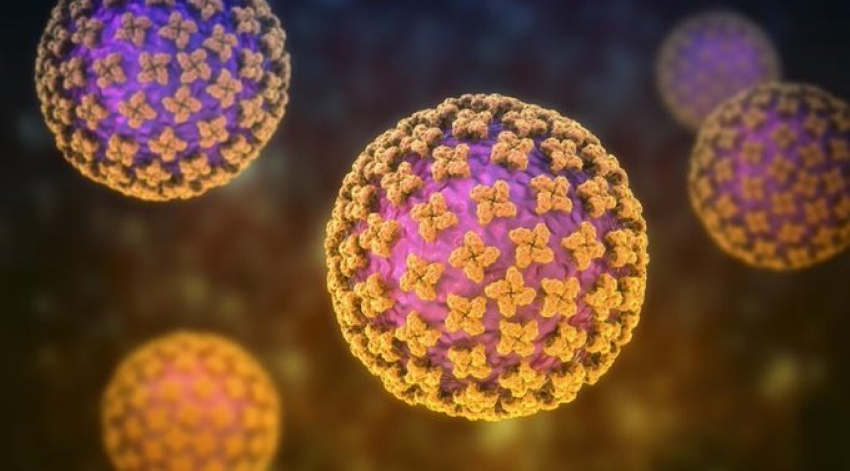
Sofia, Bulgaria — May 7, 2026 — An international medical crisis has unfolded after Morocco reportedly denied airspace to an air ambulance attempting to evacuate two critically ill passengers suspected of hantavirus infection from the cruise ship MV Hondius. The aircraft, which had been en route to a European medical facility, was instead diverted to the Canary Islands—a decision that has raised urgent questions about regional health coordination and the handling of infectious disease outbreaks.
According to verified reports, the MV Hondius, a vessel carrying 146 people, has been anchored off Praia, Cape Verde, since April 1, following the deaths of three passengers from hantavirus during an expedition voyage that originated in Argentina. The diversion of the air ambulance—confirmed by multiple sources—marks a rare and contentious moment in cross-border medical evacuations, with health officials now scrambling to manage the fallout.
The World Health Organization (WHO) has not yet issued a formal statement on the incident, but the situation underscores the challenges of containing emerging infectious diseases in an era of global travel. Hantavirus, a family of viruses primarily spread by rodents, can cause severe respiratory illness, with a mortality rate of up to 38% in cases progressing to hantavirus pulmonary syndrome (HPS) according to the U.S. Centers for Disease Control and Prevention (CDC). The diversion of the air ambulance adds a layer of complexity to an already fragile situation.
–>
Background: The Hantavirus Outbreak on the MV Hondius
The MV Hondius has become the epicenter of a rapidly evolving hantavirus crisis. As of May 6, 2026, three deaths have been confirmed among passengers, with two additional individuals exhibiting symptoms consistent with hantavirus infection. The ship’s voyage, which began in Argentina, has raised concerns about the potential for further transmission, particularly given the virus’s ability to spread through aerosolized rodent excretions.
Hantaviruses are zoonotic, meaning they are transmitted from animals to humans, typically through contact with infected rodents or their waste. Symptoms of hantavirus pulmonary syndrome (HPS) include fatigue, fever, muscle aches, and—in later stages—severe respiratory distress. The CDC notes that early symptoms may appear 1 to 8 weeks after exposure, complicating rapid diagnosis and containment efforts.
Morocco’s reported refusal to grant airspace to the air ambulance has sparked debate among health experts. While the country’s Ministry of Health has not publicly commented on the incident, local media outlets in Morocco have cited “sanitary precautions” as a potential reason for the decision. Meanwhile, the Canary Islands, an autonomous region of Spain, have reportedly received the diverted patients for further medical evaluation.
Why Was the Air Ambulance Diverted?
The exact reasons behind Morocco’s decision remain unclear, but several factors may have influenced the outcome:
- Regional Health Protocols: Morocco, like many nations, maintains strict biosecurity measures for infectious disease cases. While the WHO has not classified hantavirus as a pandemic threat, the virus’s potential for rapid transmission in confined spaces—such as a cruise ship—may have triggered heightened caution.
- Logistical Constraints: Air ambulances require pre-approved flight paths and landing permissions. Delays or denials can occur due to bureaucratic hurdles, especially in cases involving infectious diseases where quarantine protocols must be strictly observed.
- Political and Diplomatic Considerations: The incident occurs amid broader tensions in North Africa and Europe over migration and health security. While not explicitly linked, such geopolitical dynamics can indirectly influence emergency medical responses.
Spanish health authorities in the Canary Islands have confirmed that the two patients are now under observation. Local officials have emphasized that the region’s hospitals are equipped to handle infectious disease cases, including those requiring intensive care. The WHO’s European Regional Office has been monitoring the situation closely but has not yet issued a formal risk assessment.
Global Response and Unanswered Questions
The hantavirus outbreak on the MV Hondius has drawn comparisons to past maritime health crises, such as the 2009 norovirus outbreak on the MS Braemar, which infected hundreds of passengers. However, hantavirus presents unique challenges due to its zoonotic nature and the lack of a widely available vaccine or antiviral treatment.

Key questions remain unanswered:
- What was the specific route of the air ambulance’s diversion, and which Canary Island facility is treating the patients?
- Has Morocco provided an official explanation for its airspace denial, or is this decision still under review?
- Will the WHO issue a formal statement on the risk of hantavirus transmission beyond the cruise ship?
- What measures are being taken to prevent further spread among the remaining passengers and crew?
As of this writing, the MV Hondius remains anchored off Cape Verde, with no immediate plans for disembarkation. Health authorities are working to ensure that the remaining passengers—now reduced to approximately 140 individuals—are monitored for symptoms. The ship’s operators have not issued a public statement, but sources suggest that quarantine protocols are in place.
Hantavirus: What You Need to Know
For readers seeking clarity on hantavirus, here are critical facts based on verified sources:
- Transmission: Primarily through inhalation of aerosolized rodent urine, droppings, or saliva. Direct contact with infected rodents or their nests can also lead to infection.
- Symptoms: Early signs include fever, muscle aches, and fatigue. Later stages may involve severe respiratory distress, requiring mechanical ventilation.
- Treatment: There is no specific cure for hantavirus, but supportive care—such as oxygen therapy and intravenous fluids—can improve survival rates.
- Prevention: The CDC recommends sealing gaps in homes to exclude rodents, avoiding rodent-infested areas, and using protective gear when cleaning rodent-contaminated spaces (CDC Prevention Guidelines).
Travelers and health officials alike are advised to remain vigilant, particularly in regions where rodent populations are high. The current outbreak serves as a reminder of the importance of rapid response in infectious disease control.
Next Steps: What Happens Now?
The situation on the MV Hondius and the diversion of the air ambulance will likely dominate health news in the coming days. Key developments to watch include:

- A formal statement from Morocco’s Ministry of Health regarding the airspace denial.
- An update from the WHO on the global risk assessment for hantavirus transmission.
- Confirmation of the two patients’ conditions and whether additional cases are identified among the ship’s remaining passengers.
- Announcements from Spanish authorities on the Canary Islands regarding the patients’ treatment and any potential quarantine measures.
In the absence of official updates, the MV Hondius remains in a state of limbo, with passengers and crew awaiting further instructions. The incident also raises broader questions about the adequacy of international health protocols for handling infectious disease outbreaks at sea.
Reader Resources and Official Advisories
For those seeking authoritative information on hantavirus, the following resources are recommended:

- Centers for Disease Control and Prevention (CDC) – Hantavirus
- World Health Organization (WHO) – Infectious Diseases
- European Centre for Disease Prevention and Control (ECDC)
Final Thoughts: A Crisis of Coordination
The diversion of the air ambulance from Morocco to the Canary Islands is more than a logistical hiccup—it is a symptom of deeper challenges in global health coordination. In an era where infectious diseases can spread across continents in days, the ability to rapidly and transparently share medical resources and airspace access is paramount.
As the world watches the unfolding crisis on the MV Hondius, one question looms large: Can international health systems adapt quickly enough to prevent such incidents from becoming larger-scale emergencies? The answer will determine not only the fate of the passengers on this ship but the resilience of global health security in the years to come.
Maria Petrova is an international journalist and editor with 14+ years of experience covering global health crises, geopolitics, and human rights. She holds an MA in International Relations from Sofia University and has contributed to Balkan Insight and other leading publications.
What do you think? Should Morocco’s decision to deny airspace be seen as a necessary precaution or an overreaction? Share your perspective in the comments below.
Stay informed: For real-time updates on this story, follow World Today Journal’s Global Health section.