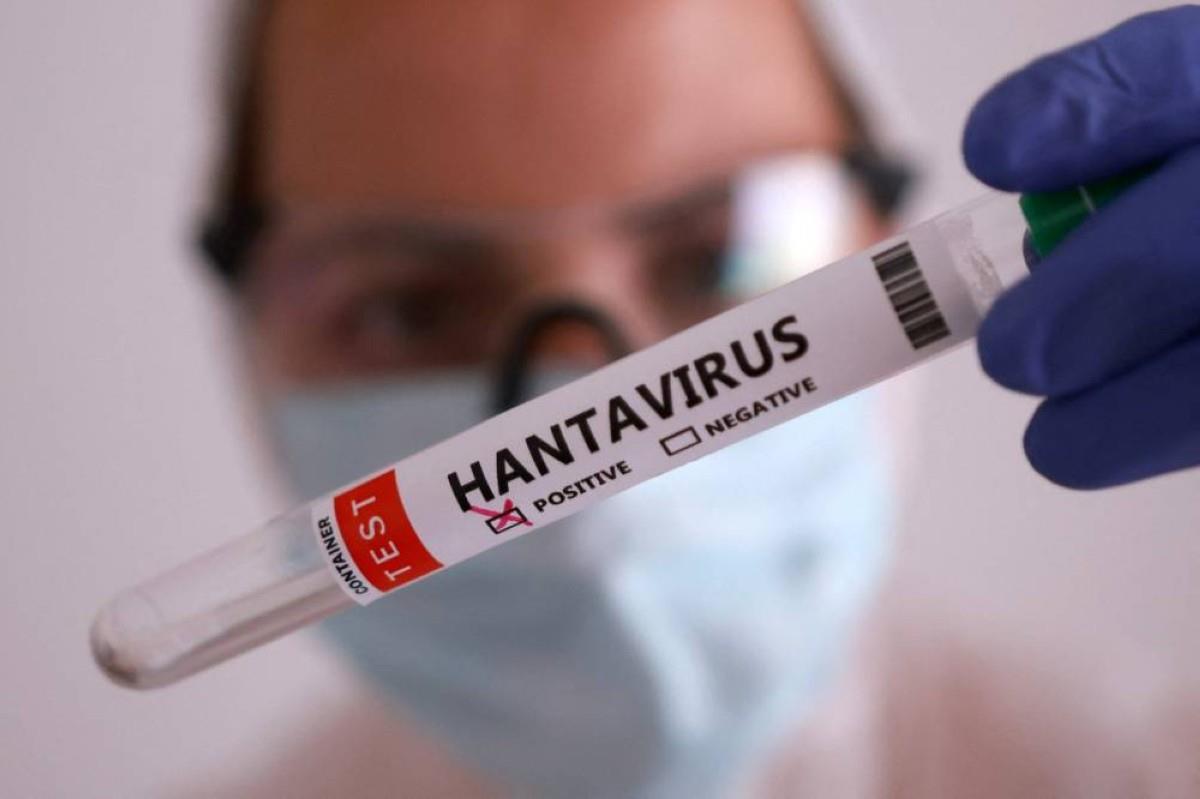
As health professionals and global citizens, we often look to international monitoring agencies to understand the evolving landscape of zoonotic diseases. Recently, discussions regarding the management of hantavirus in South America have underscored the critical importance of public health surveillance and the ongoing efforts to minimize human-rodent interaction. For those of us tracking infectious disease trends, understanding the nature of these viruses—and the preventive measures required to mitigate their impact—remains a cornerstone of clinical awareness.
Hantaviruses are a group of viruses naturally carried by rodents, which can, in specific circumstances, cause severe illness in humans. According to the World Health Organization (WHO), these zoonotic pathogens are transmitted primarily through contact with infected rodents or their excreta—specifically urine, droppings, and saliva. While the clinical presentation varies significantly based on geographical location and the specific type of virus involved, the potential for severe health outcomes makes early detection and public health intervention essential.
Understanding Hantavirus Syndromes and Transmission
The clinical impact of hantavirus infection is generally categorized into two distinct syndromes. In the Americas, the primary concern is hantavirus cardiopulmonary syndrome (HCPS), a rapidly progressive respiratory illness that can lead to heart and lung failure. Data from health authorities indicate that this condition is associated with a high case fatality rate, which can reach up to 50% in some regions. In contrast, populations in Europe and Asia are more frequently exposed to hantaviruses that cause hemorrhagic fever with renal syndrome (HFRS), which primarily impacts the blood vessels and kidneys.
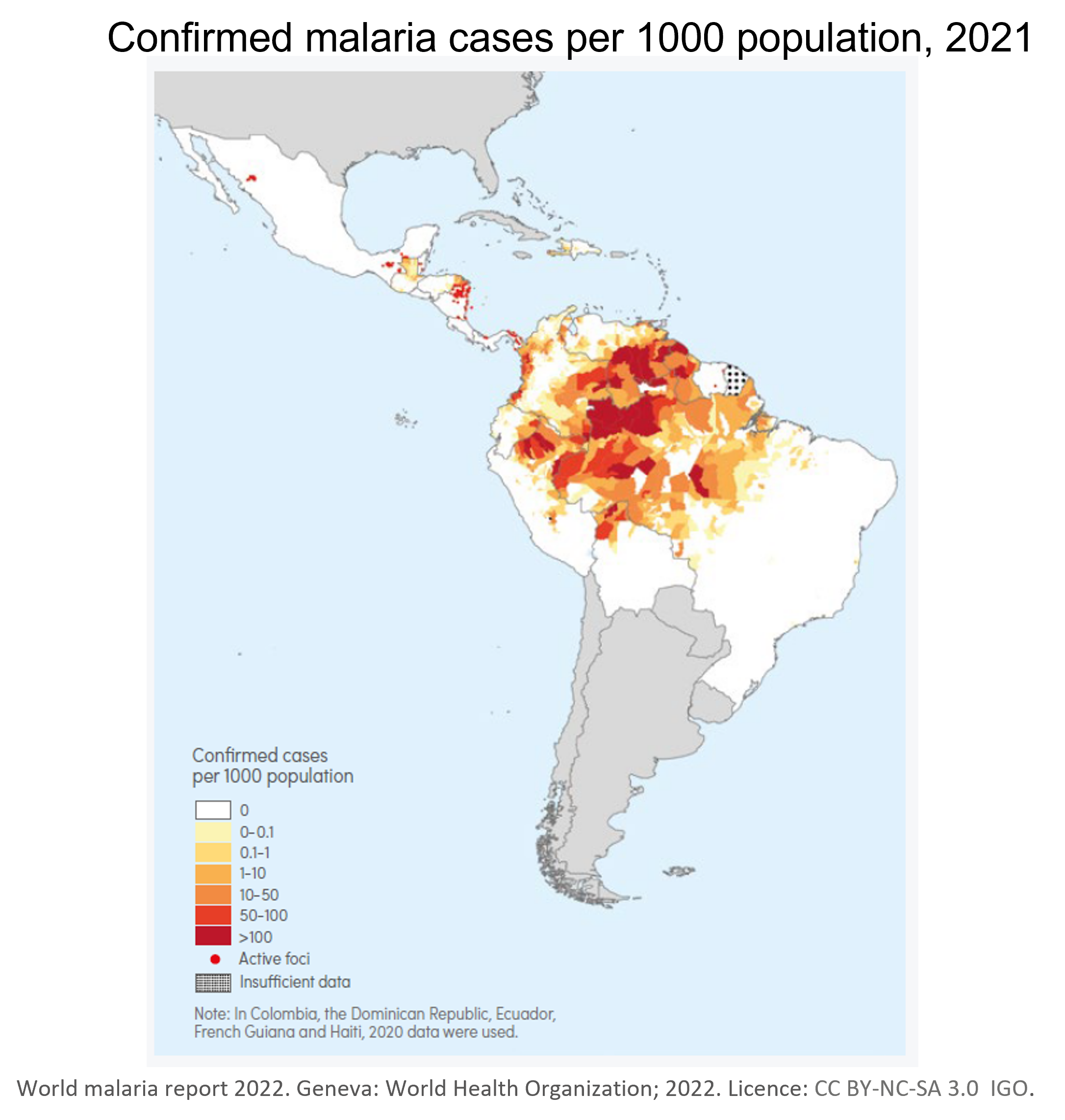
Transmission dynamics are a focal point for public health researchers. While the vast majority of human infections occur through exposure to aerosolized rodent waste or direct contact, the Andes virus—found in South America—remains a notable exception in the scientific community. This proves the only hantavirus for which limited human-to-human transmission has been documented, usually among close contacts of an infected individual. This unique characteristic is why regional health departments maintain rigorous surveillance protocols to identify and contain potential clusters early.
Public Health Strategies for Prevention
Because there is currently no specific curative treatment for hantavirus infections, the global medical consensus emphasizes supportive care and, most importantly, prevention. Clinical management focuses on the monitoring and treatment of respiratory, cardiac, and renal complications. As noted by global health experts, the most effective way to reduce the risk of transmission is to limit contact between human populations and the specific rodent reservoirs that carry the virus.

Effective environmental management includes:
- Maintaining sanitary conditions in and around dwellings to discourage rodent nesting.
- Sealing structures to prevent rodent entry.
- Exercising caution in areas where rodent populations are active, particularly in poorly ventilated spaces.
- Employing safe cleaning methods for areas contaminated by rodent waste, such as using disinfectant solutions rather than dry sweeping, which can aerosolize the virus.
Global Monitoring and Future Outlook
The study of hantaviruses belongs to a broader effort in global health to monitor the “spillover” of pathogens from wildlife to humans. As climate patterns shift and human expansion into natural habitats continues, the monitoring of rodent reservoirs becomes increasingly complex. Public health agencies, including the World Health Organization, continue to provide updated guidance to national health ministries to ensure that medical systems are equipped to recognize early symptoms—such as fever, muscle aches, and fatigue—before they progress to more severe respiratory or renal distress.
For the general public, the best defense is awareness. Understanding that hantavirus is not an airborne virus that spreads casually like influenza, but rather one linked to specific environmental exposures, can help alleviate unnecessary alarm. Staying informed through official government health portals and regional medical bulletins is the most reliable way to track localized outbreaks or changes in public health guidance.
As we continue to monitor these developments, the integration of environmental science and clinical medicine is vital. We encourage our readers to stay engaged with their local health authority updates and to share this information with their communities to promote proactive, science-based safety measures. We will continue to provide updates as official data becomes available from regional health ministries regarding active surveillance programs.
Dr. Helena Fischer, MD, is the Editor of Health at World Today Journal. With over 11 years of experience in internal medicine and science communication, she focuses on bridging the gap between complex medical research and public understanding.
Worth a look
- Hollaender Interna-Rail Aluminum Handrail Systems for Commercial Architecture
- Breast Cancer Patients At Risk: Essential Bone Density Test Doctors Recommend
- Lenape Nation of Pennsylvania: Rising Nation River Journey on Delaware River (archyde.com)
- Baidu Apollo Go Expands Robotaxi Tests to London and Hong Kong (archynewsy.com)