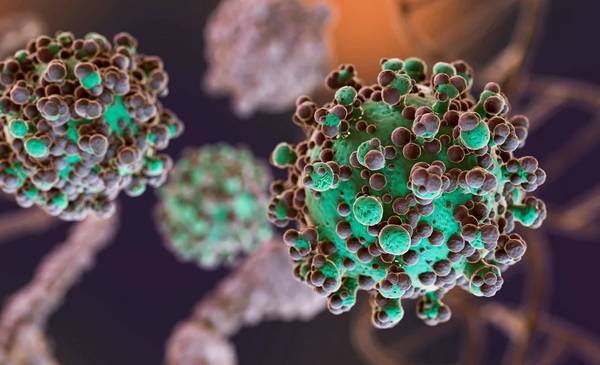
Health authorities in Argentina are monitoring an uptick in hantavirus infections, with the total number of confirmed cases reaching 47 for the current seasonal period. The virus, primarily transmitted through contact with the excreta of infected wild rodents, has historically been associated with the Patagonia region, but recent epidemiological data indicates a broader geographic distribution across the country’s central and northern provinces. According to the Ministry of Health of Argentina, managing this zoonotic disease requires strict environmental hygiene and early clinical intervention to prevent the development of Hantavirus Pulmonary Syndrome (HPS).
Understanding Hantavirus Transmission and Risk
Hantavirus is a viral infection carried by specific species of wild rodents, most notably the long-tailed pygmy rice rat (Oligoryzomys longicaudatus) in the Southern Cone of South America. Humans typically contract the virus by inhaling aerosolized particles from the urine, feces, or saliva of infected rodents. As reported by the Pan American Health Organization (PAHO), the virus can also be transmitted through direct contact with contaminated surfaces or, in specific rare instances involving the Andes virus strain, through person-to-person contact.

The transition of cases from localized outbreaks in southern Argentina to more frequent reports in central and northern regions suggests a change in environmental factors or increased human-rodent interaction. Public health experts emphasize that symptoms often begin with non-specific flu-like indicators, including high fever, muscle aches, and fatigue. Because these symptoms can rapidly progress to severe respiratory distress, early medical consultation is critical for survival rates.
Public Health Response and Surveillance
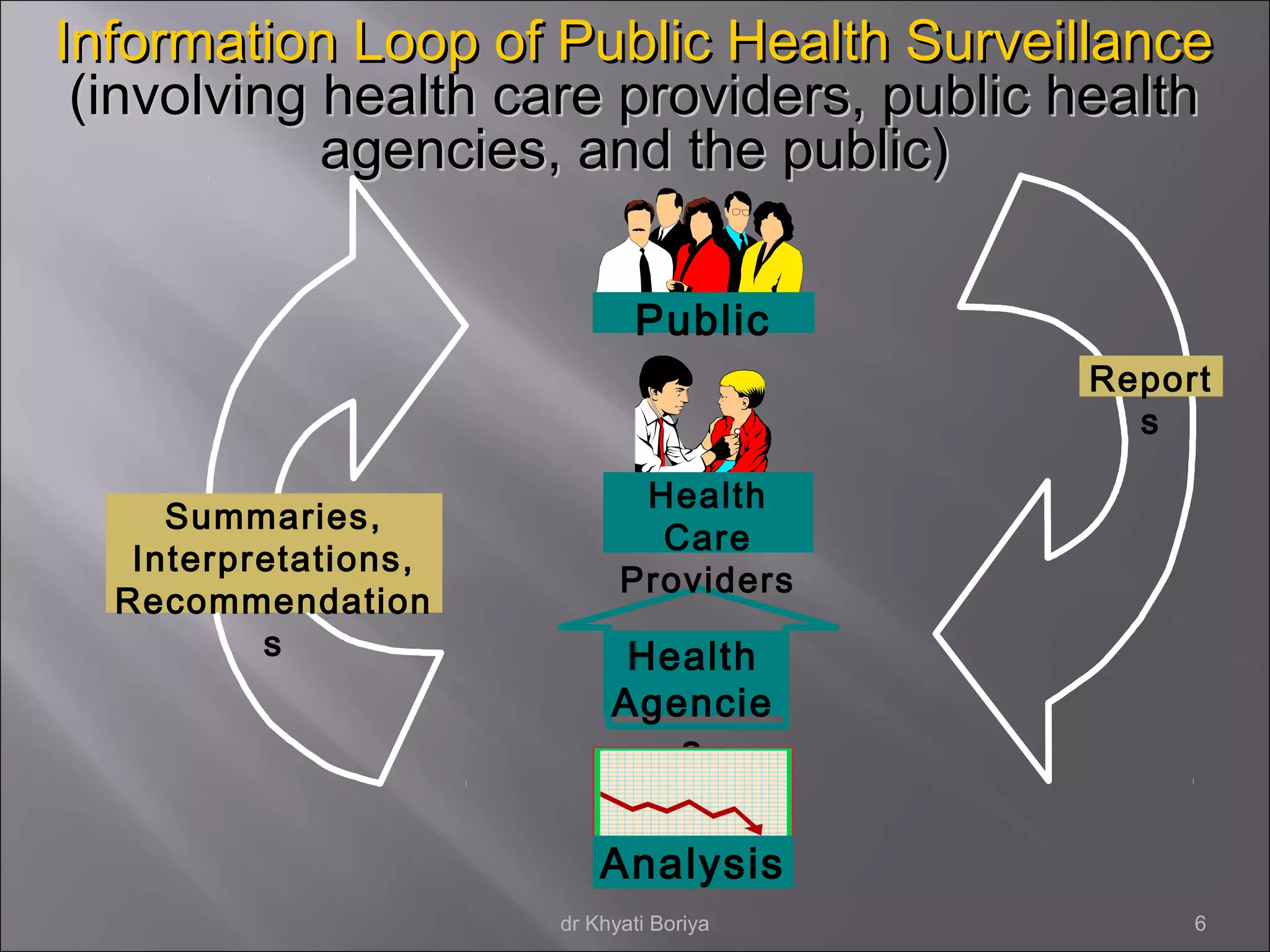
The current rise in cases has prompted regional health departments to increase surveillance and public awareness campaigns. Local authorities are focusing on identifying hotspots where rodent populations may be encroaching on human settlements. According to guidelines provided by the Argentine National Directorate of Epidemiology, prevention strategies are centered on three primary pillars:
- Ventilating enclosed spaces—such as cabins, sheds, or storage rooms—before entering.
- Keeping food in airtight containers to prevent attracting rodents.
- Ensuring that waste is disposed of in sealed containers away from dwellings.
While the total of 47 confirmed cases reflects an increase in reporting, health officials note that this figure is subject to change as testing protocols are completed across provincial laboratories. The integration of centralized reporting ensures that data from disparate regions, including Chubut and other provinces, is captured accurately to inform national policy.
Clinical Considerations and Preventive Measures
There is currently no specific antiviral treatment for hantavirus, making supportive care in an intensive care unit the primary clinical approach. Patients exhibiting respiratory symptoms in endemic areas are prioritized for diagnostic testing to confirm the presence of the virus. The U.S. Centers for Disease Control and Prevention (CDC), which maintains global databases on hantavirus trends, notes that the mortality rate of HPS can be high if patients do not receive timely mechanical ventilation and hemodynamic support.
For residents in affected areas, the advice from medical professionals remains consistent: minimize contact with rodent habitats and maintain strict hygiene. If individuals find themselves in high-risk areas, they should avoid sweeping or vacuuming dry, dusty areas where rodent droppings may be present, as these actions can aerosolize the virus. Instead, using a bleach solution to dampen the area before cleaning is the recommended standard of care.
Next Steps for Health Monitoring
The Argentine Ministry of Health continues to provide bi-weekly epidemiological bulletins detailing the progression of the virus. These reports serve as the official record for clinical stakeholders and the public regarding the total case count and geographic spread. Citizens are encouraged to monitor official government portals for updates on public health advisories and to consult local practitioners if they develop sudden fever after potential exposure to rodent-infested environments.

As the season progresses, health authorities will maintain enhanced diagnostic capacity to ensure that new reports are processed rapidly. World Today Journal will continue to follow official updates from the Ministry of Health as they become available. Readers are invited to share this information to increase community awareness and are encouraged to post questions or observations in the comments section below.
- Why Gym Beginners Quit: Science Reveals How to Push Through Early Struggles
- How to Tell Sexual Partners You Have Gonorrhea: A Guide to Safe and Honest Disclosure
- Walnuts vs. Almonds: Which Is Better for Heart Health? (newsdirectory3.com)
- Legionella Outbreak in Basel: One Dead, 25 Hospitalized (archyde.com)