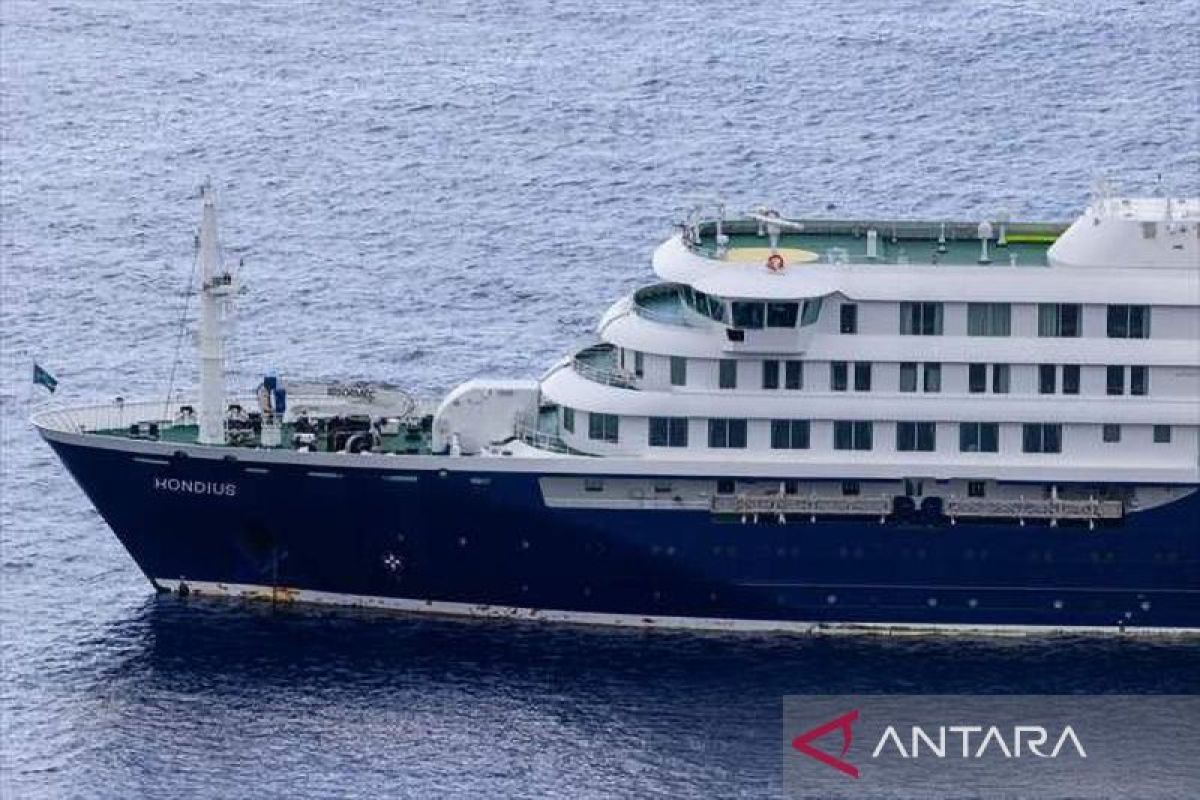
A rare and severe hantavirus cruise ship outbreak has prompted an international public health response after a cluster of passengers and crew aboard a Dutch-flagged vessel fell critically ill, resulting in three confirmed deaths.
The World Health Organization (WHO) was notified of the situation on May 2, 2026, by the National International Health Regulations (2005) Focal Point of the United Kingdom. The ship, carrying a total of 147 passengers and crew, became the site of a sudden surge in severe acute respiratory illness that progressed rapidly in several individuals.
As of May 4, 2026, health officials have identified seven cases tied to the cluster. Of these, two have been laboratory-confirmed as hantavirus infections, while five remain suspected. The toll of the outbreak includes three deaths, one patient who remains critically ill in intensive care, and three individuals who reported only mild symptoms, according to the World Health Organization.
For those unfamiliar with the pathogen, hantaviruses are a family of viruses primarily carried by rodents. While rare, they can cause life-threatening conditions in humans, most notably hantavirus pulmonary syndrome (HPS) and hemorrhagic fever with renal syndrome (HFRS). The rapid progression seen in this cruise ship cluster—moving from fever to pneumonia and shock—is characteristic of the more severe forms of the disease.
Timeline and Clinical Progression of the Outbreak
The onset of illness among the passengers and crew occurred between April 6 and April 28, 2026. The clinical presentation was aggressive. patients initially experienced fever and gastrointestinal symptoms before progressing rapidly to pneumonia, acute respiratory distress syndrome (ARDS), and shock, as detailed in the WHO disease outbreak news.

The diagnostic process involved international coordination. On May 2, 2026, laboratory testing conducted in South Africa confirmed a hantavirus infection in one of the critically ill patients. A further death was reported on May 3, highlighting the high fatality rate associated with confirmed cases of the syndrome.
The management of the outbreak has required a coordinated international response. Efforts have focused on case isolation, specialized care for the critically ill, and medical evacuations to ensure patients receive the necessary respiratory support in land-based facilities.
Understanding Hantavirus: Transmission and Risks
Hantaviruses are naturally found in rodent populations. Human infection typically occurs through contact with the urine, feces, or saliva of infected rodents. This often happens when dried waste is stirred up into aerosols and inhaled, though transmission can also occur through rodent bites or scratches, according to the Centers for Disease Control and Prevention (CDC).

Medical professionals distinguish between two primary syndromes caused by these viruses:
- Hantavirus Pulmonary Syndrome (HPS): More common in the Western Hemisphere, HPS is a severe respiratory disease. Early symptoms include fatigue, fever, and muscle aches, which can evolve into coughing and shortness of breath within four to 10 days.
- Hemorrhagic Fever with Renal Syndrome (HFRS): Found mostly in Europe and Asia, this version of the disease primarily affects the kidneys, leading to swelling and protein or blood in the urine.
A critical point of concern during any cluster of infections is the potential for person-to-person spread. While hantavirus is predominantly rodent-borne, the WHO notes that limited human-to-human transmission has been reported in previous outbreaks of the Andes virus, a specific species of hantavirus. This usually occurs only among people in very close contact with an ill individual.
Global Risk Assessment and Public Health Outlook
Despite the severity of the cases aboard the Dutch-flagged ship, the World Health Organization currently assesses the risk to the global population from this event as low. The organization continues to monitor the epidemiological situation and will update its risk assessment as more laboratory data becomes available.
The rarity of these infections in a cruise ship environment suggests a localized exposure event rather than a broad public health threat. However, the incident underscores the importance of the International Health Regulations (IHR) in ensuring that member states, such as the United Kingdom, report clusters of unexplained severe illness promptly to prevent wider transmission.
Key Takeaways for Travelers and Public Health
- Transmission: Hantavirus is primarily spread via rodent excreta; human-to-human spread is extremely rare and limited to specific strains like the Andes virus.
- Symptoms: Watch for a progression from flu-like symptoms (fever, muscle aches) to severe respiratory distress.
- Current Status: The WHO maintains a “low” global risk level for this specific cruise ship cluster.
- Prevention: Avoiding contact with rodent-infested areas and ensuring proper ventilation in enclosed spaces are primary preventative measures.
The investigation remains ongoing to determine the exact source of the rodent exposure aboard the vessel. The next official update from the WHO is expected as further laboratory results from the suspected cases are processed.
Do you have questions about travel health or the prevention of zoonotic diseases? Share your thoughts in the comments below or share this article with your network to spread verified health information.
Related reading