Hantavirus Concerns Rise in Argentina Following Reported Case in Tres Arroyos
Health authorities in Argentina are investigating a potential case of Hantavirus in Tres Arroyos, Buenos Aires Province, following reports of a possible fatality. Whereas officials have not yet confirmed the death, the incident has prompted increased vigilance regarding the viral disease, which is typically more prevalent in the Patagonia region. The situation underscores the importance of public awareness and preventative measures, even in areas where Hantavirus is not traditionally considered a major health threat. The case, if confirmed, would be particularly noteworthy given the time of year, as outbreaks typically occur between late summer and early autumn.
The initial reports, circulating among health personnel, suggest a local resident may have succumbed to the illness. Samples have been sent to a regional zoonosis laboratory in Azul for analysis to determine the cause of death and confirm whether Hantavirus was involved. Local health authorities, while acknowledging the reports, have refrained from definitive statements pending the laboratory results. The case has also been reported to the SISA (Sistema de Información de Salud Argentina), the national health information system, as required for mandatory reporting of infectious diseases for epidemiological surveillance purposes.
Understanding Hantavirus and its Transmission
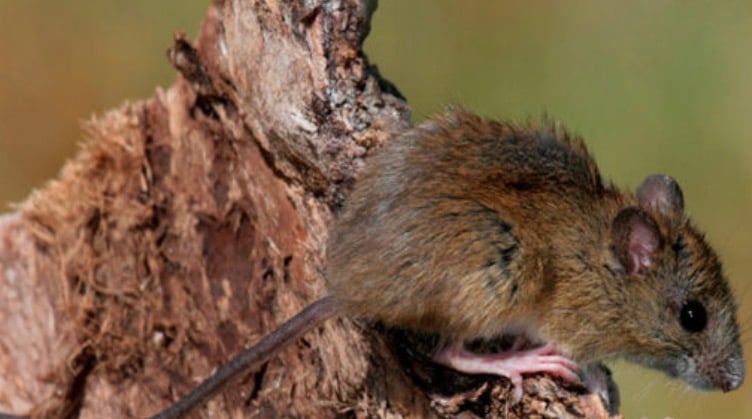
Hantavirus is a viral disease transmitted to humans by rodents, primarily through contact with their urine, saliva, or feces. The Oligoryzomys longicaudatus, commonly known as the long-tailed rice rat or colilargo mouse, is the main reservoir and vector for the virus in Argentina. This rodent is widespread throughout Patagonia and increasingly found in other regions of the country. According to the Ministry of Health of Río Negro province, the virus can be contracted through inhalation of airborne particles contaminated with rodent excretions, or through direct contact with such materials. The Ministry of Health details that there are 12 genotypes of the virus circulating in Argentina, with nine linked to the Cardiopulmonary Syndrome (SCPH).
There are two primary clinical presentations of Hantavirus infection in humans: Hemorrhagic Fever with Renal Syndrome (HFRS), found in Asia and Europe, and Cardiopulmonary Syndrome (HPS), prevalent in the Americas. The Andes Sur genotype, associated with Patagonia, is of particular concern as it has demonstrated the ability to transmit person-to-person, although this remains rare. The Andes Buenos Aires genotype has also been identified as capable of human-to-human transmission. The disease is serious, and while infection rates are relatively low, the high mortality rate necessitates proactive preventative measures.
Symptoms and Diagnosis
Early symptoms of HPS, as observed in a recent case in Bariloche, often mimic flu-like illnesses, including fever, muscle aches, and cough. However, the condition rapidly progresses to more severe respiratory distress. A 16-year-old patient in Bariloche presented with these symptoms and is currently stable in the intermediate care unit of a local hospital. Diagnosis typically involves identifying antibodies to the virus in blood samples, and early detection is crucial for effective management of the illness.
Rodrigo Bustamante, an epidemiologist at the Bariloche hospital, noted that the recent case was atypical due to the time of year. He also highlighted that the patient had limited contact with rural environments, suggesting potential exposure in an urban setting. Importantly, Bustamante emphasized that individuals do not develop immunity after contracting the virus, although the duration of antibody protection remains unclear.
Prevention Measures and Public Health Recommendations
Preventing Hantavirus infection centers around minimizing contact with rodents and their habitats. Public health officials recommend the following precautions:
- Rodent Control: Seal any openings in homes and buildings that could allow rodents to enter.
- Safe Cleaning: When cleaning areas potentially contaminated with rodent droppings or urine, wear gloves and a mask. Disinfect surfaces with a bleach solution.
- Ventilation: Thoroughly ventilate enclosed spaces before entering, such as sheds, cabins, or storage areas that have been closed for a period of time.
- Food Storage: Store food in rodent-proof containers.
- Avoid Contact: Do not handle wild rodents or their nests.
The Ministry of Health in Río Negro province has issued alerts emphasizing these preventative measures, particularly in the Andean regions where the colilargo mouse population is concentrated. The alert highlights the widespread distribution of the colilargo mouse, extending from Bolivia to Tierra del Fuego and from Chile to the Atlantic coast.
The Broader Context of Hantavirus in Argentina
While Patagonia remains the region with the highest incidence of Hantavirus, cases have been reported in other provinces, including Buenos Aires. This underscores the need for nationwide vigilance and public health preparedness. The virus’s ability to spread beyond its traditional geographic boundaries, coupled with the potential for person-to-person transmission in certain genotypes, necessitates ongoing monitoring, and research.
The Argentine government, through the SISA system, actively tracks and monitors infectious disease outbreaks, including Hantavirus. This surveillance allows for rapid response and implementation of preventative measures to protect public health. The current situation in Tres Arroyos serves as a reminder of the importance of early detection, accurate diagnosis, and community awareness in mitigating the risks associated with this potentially fatal disease.
What Happens Next?
The immediate next step is the confirmation of the laboratory results from the samples sent to Azul. Authorities are expected to release an official statement regarding the case in Tres Arroyos once the analysis is complete. In the meantime, local health officials are likely to reinforce preventative messaging and monitor for any additional potential cases. Continued surveillance and public health education remain critical in controlling the spread of Hantavirus in Argentina.
Have you or someone you know been affected by Hantavirus? Share your experiences and thoughts in the comments below. Please also share this article to help raise awareness about this important public health issue.
Worth a look