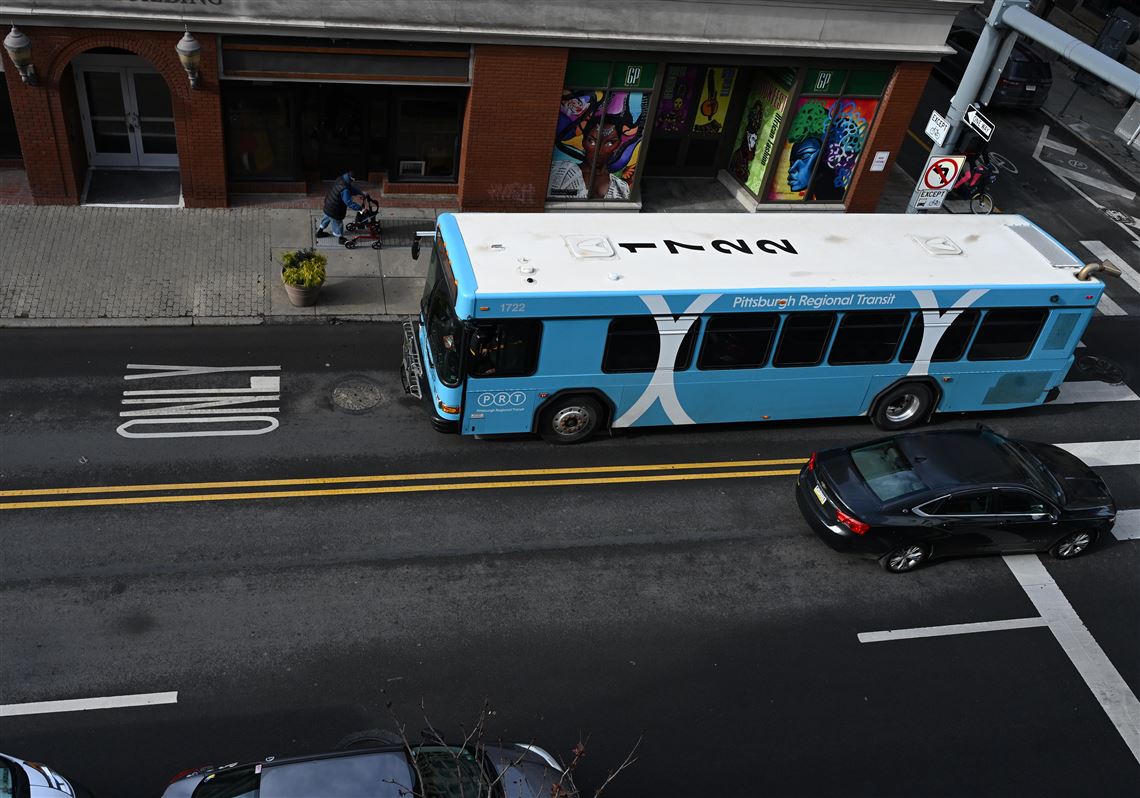
HARRISBURG, Pennsylvania — Disability rights advocates and paratransit users descended upon the Pennsylvania State Capitol this week, issuing a stark warning to state lawmakers: without a significant increase in dedicated funding, the essential transportation services that allow thousands of residents to live independently are on the brink of collapse.
The rally, which drew a coalition of service providers and riders from across the Commonwealth, centered on the urgent need to address the structural deficit facing public transit agencies. For many participants, the issue is not merely one of budget lines or municipal policy; it is a matter of fundamental access to healthcare, employment, and community integration. As these individuals voiced their concerns, the conversation in Harrisburg shifted toward the broader, long-term sustainability of Pennsylvania’s transit infrastructure following the expiration of federal pandemic-era relief funds.
According to the Pennsylvania Department of Transportation (PennDOT), public transit agencies across the state are currently navigating a complex transition as they attempt to bridge a widening gap between operational costs and available revenue. The rally highlighted a growing apprehension among users that if state-level legislative action is not taken to bolster the Public Transportation Trust Fund, service reductions—including longer wait times and restricted service hours—may become unavoidable for vulnerable populations who rely on paratransit for their daily mobility.
The Funding Crisis: Why Paratransit is at Risk
At the heart of the protest is the financial instability of the state’s transit systems. For years, Pennsylvania has utilized a mix of state sales tax revenue and federal grants to maintain operations. However, the landscape shifted dramatically with the passing of Act 89 of 2013, which provided a framework for transportation funding that has since struggled to keep pace with rising inflation and the post-pandemic decline in traditional ridership revenue.
Paratransit services, which are mandated under the Americans with Disabilities Act (ADA) for agencies that operate fixed-route bus or rail, represent a high-cost, high-necessity component of these agencies’ budgets. Unlike fixed-route buses, paratransit requires door-to-door, demand-responsive scheduling, which is significantly more expensive per trip. As costs for fuel, vehicle maintenance, and qualified labor continue to climb, agencies are finding it increasingly difficult to absorb these expenses without compromising the quality of service for those who have no other means of transport.
Legislators in Harrisburg have been weighing various proposals, including Governor Josh Shapiro’s proposed budget initiatives, which seek to increase state support for public transit by hundreds of millions of dollars. The Governor’s plan has been positioned by the administration as a vital intervention to prevent service cuts, yet the path to legislative approval remains subject to ongoing debate within the General Assembly, where fiscal hawks and transportation advocates continue to spar over the best path forward for long-term sustainability.
Human Impact and the Necessity of Independence
For those attending the rally, the stakes are deeply personal. Many attendees shared stories of how reliable paratransit has been the linchpin of their ability to maintain employment or attend regular medical appointments. The threat of reduced service hours—or the potential elimination of “out-of-zone” trips—is viewed by many as a direct threat to their autonomy.
The Disability Rights Pennsylvania organization has long argued that when transit agencies face budget shortfalls, paratransit is often the first service to be scrutinized for cost-cutting measures, despite its protected status under federal law. This creates a cycle of uncertainty where riders are left wondering if their scheduled ride to a dialysis appointment or a job interview will be canceled on short notice due to labor shortages or equipment failures.
the reliance on these services is expected to grow as the population ages. According to data from the Pennsylvania Department of Aging, the Commonwealth has one of the fastest-growing older adult populations in the nation, many of whom will require specialized transportation to maintain their health and social connections. The rally participants emphasized that if the state fails to invest now, the cost of providing alternative support services for those who become isolated will far exceed the cost of maintaining robust public transit.
Key Takeaways: The Path Forward
- Budgetary Pressures: Transit agencies are reporting significant operational deficits due to the depletion of federal COVID-19 relief funding and stagnant state revenue streams.
- Legislative Status: Governor Shapiro’s current budget proposal includes a significant increase for transit, but it awaits final action by the Pennsylvania General Assembly.
- Federal Mandates: Under the ADA, transit agencies are legally required to provide paratransit services, creating a non-negotiable financial obligation that is increasingly difficult to meet without state aid.
- Advocacy Efforts: Users and disability rights groups are focusing their lobbying efforts on educating lawmakers about the tangible impact of service cuts on the daily lives of disabled and elderly Pennsylvanians.
What Happens Next?
The immediate future for Pennsylvania’s transit funding rests on the ongoing budget negotiations in Harrisburg. While the Governor’s office has signaled a commitment to public transit, the final allocation of funds will be determined by legislative leaders who must balance these requests against other competing state priorities, including education, infrastructure, and public safety.
Riders and advocacy groups are encouraged to monitor the Pennsylvania General Assembly’s official website for upcoming committee hearings and floor votes related to transportation appropriations. Public testimony and continued engagement from constituents remain the most effective tools for ensuring that the needs of the paratransit community are prioritized in the final fiscal package.
As the debate continues, the message from the rally remains clear: for thousands of residents across Pennsylvania, public transit is not a luxury—it is an essential lifeline. Whether the Commonwealth will choose to protect that lifeline through sustained investment remains the defining question of this legislative session.
Have you been affected by recent changes to local transit services? Share your experiences in the comments section below, and join our newsletter for ongoing updates on this developing story.
Worth a look