
Harrison Ford, the legendary actor known for his iconic roles in the Star Wars and Indiana Jones franchises, has rarely shared the intimate details of his private life. However, the 83-year-old star recently offered a surprising level of honesty regarding the psychological struggles he faced during his youth, revealing a period of profound isolation and mental health challenges.
In a candid appearance on the Hollywood Reporter Chatter podcast, Ford opened up about battling severe depression during his university years. The actor described a time in his life when he felt socially and psychologically unwell, reaching a point where he struggled to engage with the world around him.
This revelation provides a rare glimpse into the early life of one of cinema’s most enduring figures, highlighting a vulnerability that contrasts sharply with the adventurous and confident characters he has portrayed on screen for decades.
The Struggle at Ripon College
Ford’s academic years were spent at Ripon College in Wisconsin, a period he remembers as being defined by a crippling inability to leave his room. He described a cycle of isolation where he felt he could barely move beyond his immediate surroundings. According to the actor, his daily existence had shrunk to a minimal routine: waking up, ordering a pizza over the phone, and lying back down to wait for the delivery.
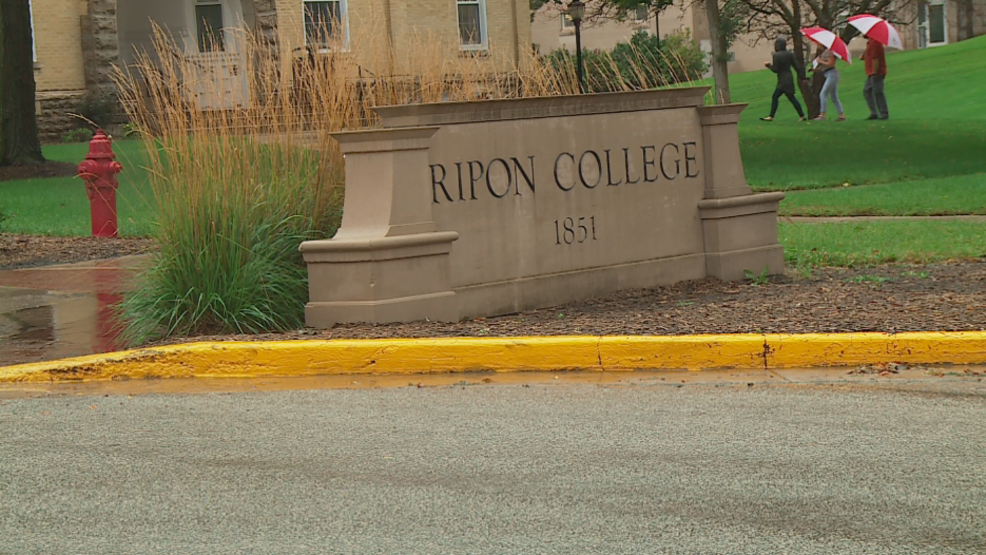
The depth of his struggle was evident in his inability to attend classes. Ford recalled that on the rare occasions he attempted to go to his lectures, he would only make it as far as the door of the building. Upon touching the door handle, he would often turn around and walk back to his room, unable to cross the threshold into the social and academic environment.
Reflecting on this era, Ford noted that he believes he was more than just depressed; he felt he was socially ill and psychologically unstable, which contributed to his profound sense of detachment from his peers.
A Turning Point Through Drama
The trajectory of Ford’s life changed when he decided to enroll in a drama course. This decision was not initially born out of a passion for acting, but rather as a pragmatic attempt to improve a weak grade point average. He did not expect the course to require active performance, assuming it would be limited to reading and analysis.
The experience of acting and interacting with fellow students proved to be the catalyst for his recovery. Ford discovered that the people he had previously categorized as “eccentrics” or “outsiders” were actually the most interesting individuals he had ever known. He was captivated by their ability to notify stories about life, some of which provided an exceptional depth of insight into human behavior.
This discovery allowed Ford to locate a sense of belonging. By immersing himself in the study of human nature and performance, he finally felt he had found his place among a community of people who accepted and understood the complexities of the human experience.
Key Takeaways from Harrison Ford’s Experience
- Severe Isolation: During his time at Ripon College, Ford suffered from severe depression that limited his movements to his dorm room.
- Psychological Barriers: He described a state of being “socially ill,” which prevented him from entering classrooms even when he attempted to attend.
- Academic Catalyst: A drama course, originally taken to raise his GPA, served as the unexpected turning point in his mental health.
- Finding Community: Connecting with other “outsiders” in the drama department helped him overcome his isolation and find his professional calling.
Ford’s story serves as a poignant reminder of the impact that finding a supportive community and a creative outlet can have on mental health. By sharing these memories at 83, he highlights the long-term journey of recovery and the importance of openness regarding psychological struggles.
As there are no further scheduled interviews or official statements regarding this topic, we encourage readers to share their thoughts on the importance of mental health awareness in the comments below.
Related reading