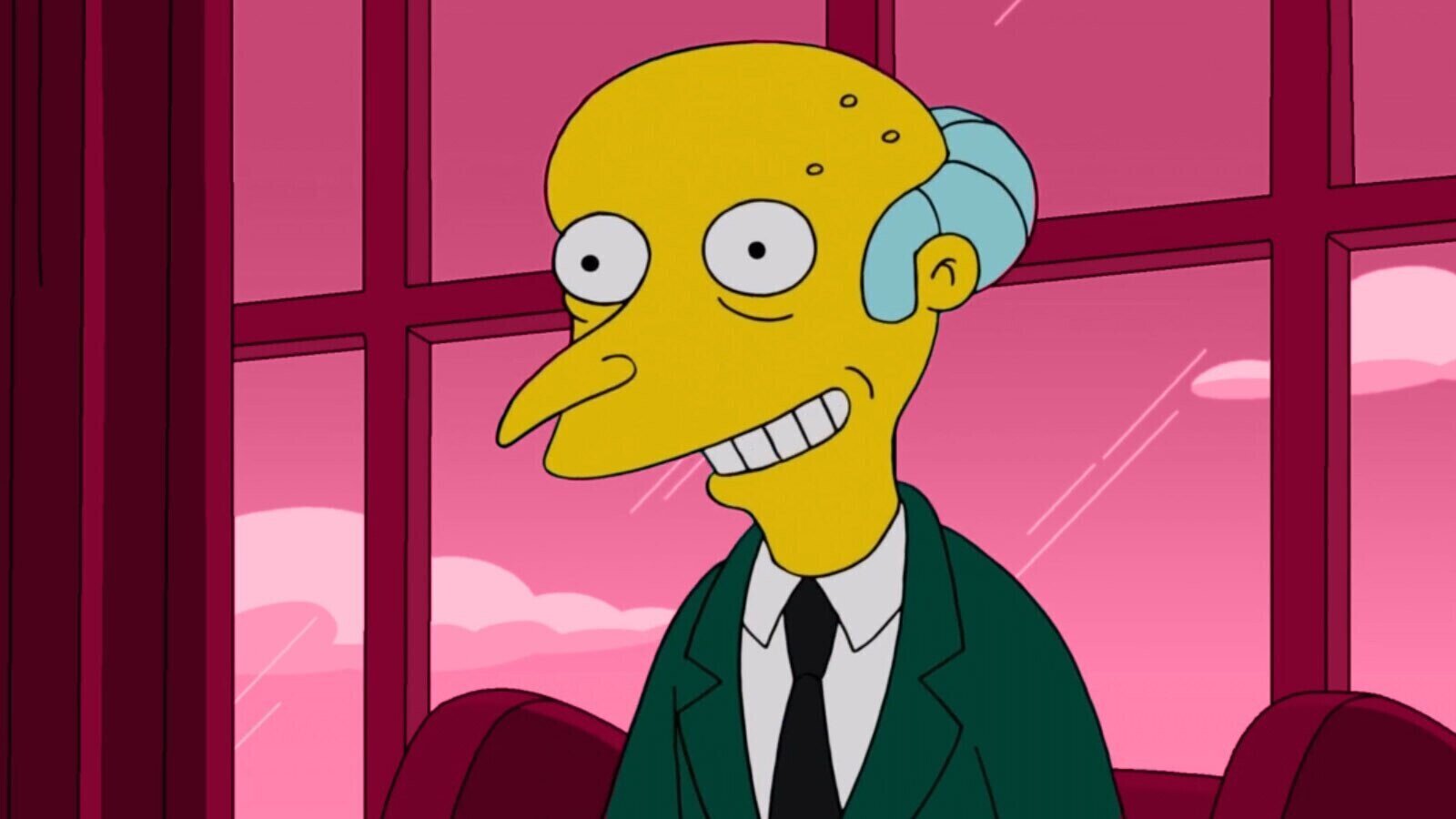
Harry Shearer, the long-time voice of iconic characters including Mr. Burns, Ned Flanders, and Principal Skinner on The Simpsons, is advocating for stronger legal protections for performers against the unauthorized use of their voices by artificial intelligence. As generative AI technology advances, Shearer—who has maintained a career spanning over four decades in comedy and voice acting—has increasingly focused on the intersection of intellectual property law and digital likeness rights to ensure that an artist’s vocal identity remains protected after death.
The conversation surrounding digital replicas has intensified as the entertainment industry grapples with the proliferation of AI-generated audio that can mimic human speech with high precision. For performers, the concern is not merely about current employment, but about the long-term control of their professional “persona” and the potential for their voices to be synthesized for content that they did not authorize or endorse during their lifetimes.
The Legal Framework for Protecting Vocal Identity
Shearer’s approach to this issue is grounded in the broader legal challenges regarding right-of-publicity laws. In the United States, these laws vary by state, creating a fragmented landscape for performers seeking to prevent the unauthorized commercial exploitation of their likeness or voice. According to the U.S. Copyright Office, the current legal framework is undergoing significant scrutiny as federal legislators and regulators assess how existing intellectual property protections apply to AI-generated content.

The core of the issue for many in the Screen Actors Guild-American Federation of Television and Radio Artists (SAG-AFTRA) is the establishment of a “digital twin” or “digital replica” right. During the 2023 labor negotiations, which resulted in the ratification of a new three-year contract, the union secured landmark protections that require informed consent and compensation for the use of a performer’s digital replica in film and television productions. These provisions represent a significant shift in how studios must approach the use of synthetic performances, ensuring that the human element of acting remains central to the creative process.
Addressing Post-Mortem Rights and Ethical AI Use
A primary concern for Shearer and his peers is the status of a performer’s voice after they pass away. As technology allows for the “resurrection” of deceased actors for roles or commercial advertisements, the question of who holds the rights to that vocal legacy becomes critical. Currently, the legal protections for a deceased person’s voice are governed by state-level statutes, such as those in California, which provide specific, albeit limited, protections against the unauthorized use of a “deceased personality’s” name, voice, signature, photograph, or likeness for commercial purposes, as outlined in the California Civil Code Section 3344.1.

However, these laws were largely drafted before the advent of accessible, high-fidelity AI synthesis. Advocates argue that federal legislation may be necessary to harmonize these protections. The proposed NO FAKES Act (Nurture Originals, Foster Art, and Keep Entertainment Safe Act of 2023) is one such effort currently being debated in Congress. This bill seeks to create a federal property right in one’s own voice and likeness, providing a clearer path for performers and their estates to sue those who create unauthorized digital replicas, regardless of the state in which the infringement occurs.
Why the Voice Acting Community Remains Vigilant
For voice actors, the voice is their primary tool of trade. The ability for AI to scrape thousands of hours of recorded audio to create a convincing clone poses an existential risk to the profession. Unlike physical acting, where the body is the instrument, voice actors rely solely on the unique acoustic properties of their vocal cords and their specific performance techniques—qualities that AI developers are working to replicate at scale.
The industry’s pushback is not necessarily against the technology itself, but against the lack of a “consent-first” model. Shearer has consistently emphasized that the value of his work, and that of his colleagues, is tied to the human decision-making and creative intent behind every line of dialogue. When that process is automated, the link between the performer and the audience is severed, potentially devaluing the craft and undermining the financial security that performers have built over their careers.

As the legal landscape evolves, the next major checkpoint for these protections will be the ongoing hearings and markups of the NO FAKES Act in the U.S. Senate and House of Representatives. Performers continue to monitor these developments closely to ensure that the final legislation provides robust, enforceable rights that extend beyond current industry-specific collective bargaining agreements. Public discourse on this topic remains active, with industry organizations encouraging members to contact their representatives regarding the importance of these digital property rights.
Worth a look