
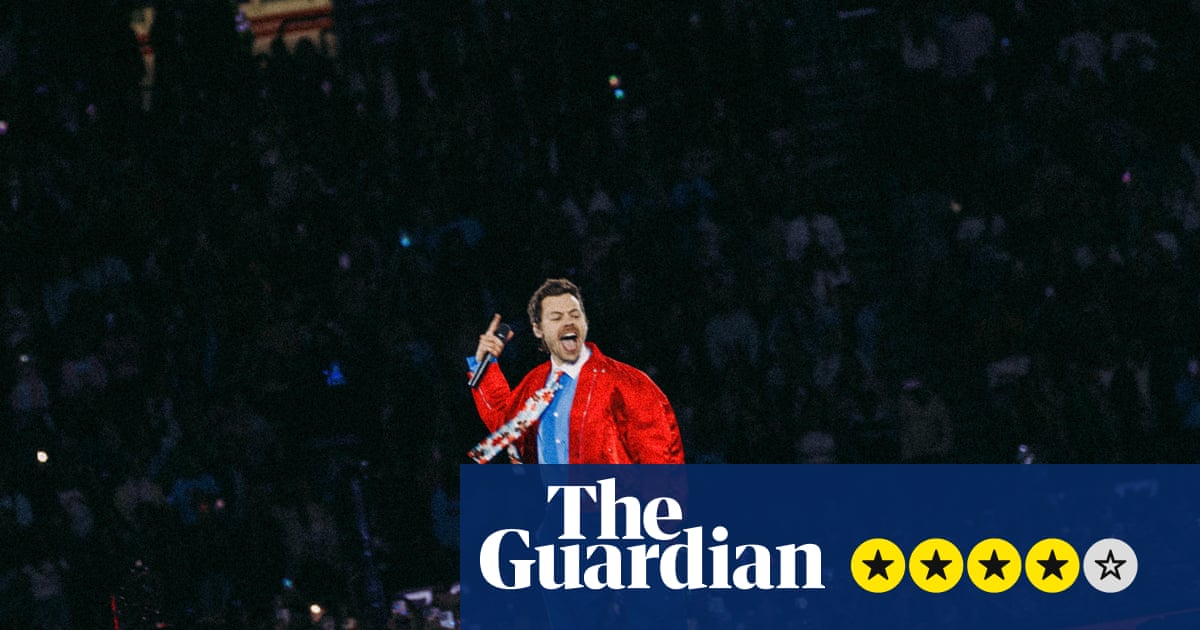
In the volatile ecosystem of global pop music, there is a transition that is widely considered the “impossible” leap: the journey from a manufactured boyband member to a critically respected, autonomous solo artist. For most, the gravity of the original group’s image is too strong, leaving the performer trapped in a cycle of nostalgia or relegated to the fringes of the charts. Yet, Harry Styles has not only made this leap; he has executed it with a level of grace and charisma that feels almost unprecedented in the modern era.
Watching Harry Styles as a charismatic performer is less like attending a standard pop concert and more like witnessing a masterclass in audience alchemy. He possesses a rare, magnetic ability to make a stadium of 80,000 people feel like an intimate living room gathering. This paradox—the ability to maintain intimacy while occupying massive architectural spaces—is the secret sauce of his solo success and the reason he has become one of the most defining figures of 21st-century celebrity culture.
The scale of this achievement becomes clear when analyzing the trajectory of his career. From the synchronized choreography and matching outfits of One Direction to the sequins, wide-leg trousers, and sonic experimentation of his solo work, Styles has methodically dismantled the “boyband” archetype. He has replaced the curated perfection of a group dynamic with a curated authenticity that feels genuine, daring, and deeply inclusive.
The Architecture of a Solo Pivot
The transition from a group to a solo career is often a struggle for identity. When One Direction entered an indefinite hiatus in 2016, the industry expectation for Styles was a continuation of the bubblegum pop that fueled the band’s global dominance. Instead, Styles pivoted toward a sound that blended 1970s soft rock, Britpop, and contemporary funk, signaling a desire to be viewed as a musician rather than just a product.
His self-titled debut album in 2017 laid the groundwork, but it was the release of Fine Line in 2019 that truly cemented his artistic autonomy. By blending psychedelic pop with soulful ballads, Styles moved away from the safe confines of Top 40 radio and toward a sonic palette reminiscent of David Bowie or Elton John. This evolution was not merely musical; it was a branding masterstroke that allowed him to transition from a teen idol to a legitimate rock star.
The culmination of this journey arrived with Harry’s House, which debuted at number one on the Billboard 200 and earned him the Grammy Award for Album of the Year in 2023. This accolade served as the ultimate validation, proving that he had successfully navigated the “thorny” path from a manufactured start to the pinnacle of critical acclaim.
Love On Tour: A Study in Stadium Charisma
While his studio recordings are polished, the true measure of Harry Styles as a charismatic performer is found in his live shows. His massive “Love On Tour” series—which ran from 2017 through 2023—became a cultural phenomenon, transforming concert venues into safe spaces for self-expression, and joy.
Styles’ stage presence is characterized by a lack of pretension. Unlike many of his contemporaries who rely on heavy pyrotechnics or rigid choreography, Styles leans into spontaneity. He is as likely to spend five minutes chatting with a fan in the front row as he is to launch into a high-energy rendition of “As It Was.” This accessibility is a key component of his appeal; he project a sense of kinship with his audience, breaking the traditional barrier between the “untouchable” star and the admirer.
The visual language of his performances further reinforces this. By embracing gender-fluid fashion—incorporating boas, pearls, and gowns—Styles has used his platform to challenge traditional masculinity. This isn’t just a fashion statement; It’s a performance of liberation. By refusing to be boxed into a specific gender role, he invites his audience to do the same, creating a communal atmosphere of acceptance that is rare in the high-pressure environment of stadium pop.
Comparing the Great Transitions
To understand the magnitude of Styles’ success, one must look at the history of pop music. The transition from a group to a solo powerhouse has been achieved by a few, most notably George Michael after the dissolution of Wham!. Michael managed to shift from the upbeat, commercial sound of the 1980s to the sophisticated, adult-contemporary mastery of the Faith era.
Styles follows a similar blueprint but adapts it for the social media age. Where Michael used music videos and provocative imagery to signal his independence, Styles uses a combination of high-fashion editorialism and a carefully maintained public persona of kindness and inclusivity. He has managed to avoid the “burnout” or public volatility that often plagues former boyband stars, maintaining a steady ascent by focusing on the quality of his live experience and the cohesion of his artistic vision.
The result is a performer who doesn’t just sing songs but curates an experience. Whether he is performing at a boutique festival or a massive arena, the energy remains consistent: a celebratory, high-vibration environment where the music serves as the catalyst for a shared emotional experience.
The Impact of “Treat People With Kindness”
Beyond the vocals and the wardrobe, the central pillar of Styles’ solo brand is the mantra “Treat People With Kindness” (TPWK). While some critics might dismiss this as a simple marketing slogan, its integration into his performances has had a tangible impact on his fanbase.
TPWK has evolved into a social contract between the performer and the public. By centering his shows around the concepts of love and kindness, Styles has created a brand of pop stardom that feels altruistic rather than ego-driven. This shift in focus—from the star as the center of attention to the audience as a community—is a sophisticated psychological move that deepens fan loyalty and elevates the emotional stakes of his concerts.
This approach has allowed him to navigate the pitfalls of extreme fame. In an era where celebrity culture is often defined by conflict and “cancel culture,” Styles has managed to remain largely above the fray by projecting a persona of unwavering positivity. This stability is a crucial part of his longevity; he is not a flash-in-the-pan pop star, but a durable artist who has built a sustainable ecosystem around his personality.
What This Means for the Future of Pop
Harry Styles’ success provides a roadmap for future artists emerging from curated groups. He has proven that the key to solo longevity is not just talent, but the courage to pivot away from what the audience *expects* and toward what the artist *desires*. By embracing his influences—from the glam rock of the 70s to the synth-pop of the 80s—he has created a timeless sound that appeals across generations.
As he continues to evolve, the question is no longer whether he can survive without a band, but how far his individual vision can take him. With a Grammy for Album of the Year and a track record of selling out the world’s largest venues, he has already achieved the “hardest trick in pop.”
For the global audience, Styles represents a new kind of masculinity in the spotlight—one that is comfortable with vulnerability, flamboyant in its expression, and steadfast in its commitment to kindness. This is the true source of his charisma: he isn’t just performing a role; he is inviting the world to be a bit more open, a bit more colorful, and a lot more kind.
Key Takeaways: The Evolution of Harry Styles
- The Solo Pivot: Successfully transitioned from One Direction to a critically acclaimed solo artist, culminating in a Grammy Award for Album of the Year for Harry’s House.
- Performance Style: Known for “stadium intimacy,” blending high-energy pop with genuine, spontaneous interactions with fans.
- Cultural Impact: Challenged traditional gender norms through fashion and the “Treat People With Kindness” philosophy.
- Artistic Influence: Drew heavily from 1970s rock and 1980s pop to create a timeless sonic identity.
- Industry Benchmark: Established a new blueprint for former boyband members to achieve artistic autonomy and critical respect.
While no new tour dates have been officially announced following the conclusion of his massive stadium run, industry insiders expect Styles to continue exploring diverse creative avenues, potentially including further film work or a new experimental sonic direction. Fans are encouraged to monitor official channels for updates on future projects.
Do you think Harry Styles is the most successful boyband-to-solo transition in history? Share your thoughts in the comments below or share this article with a fellow fan!