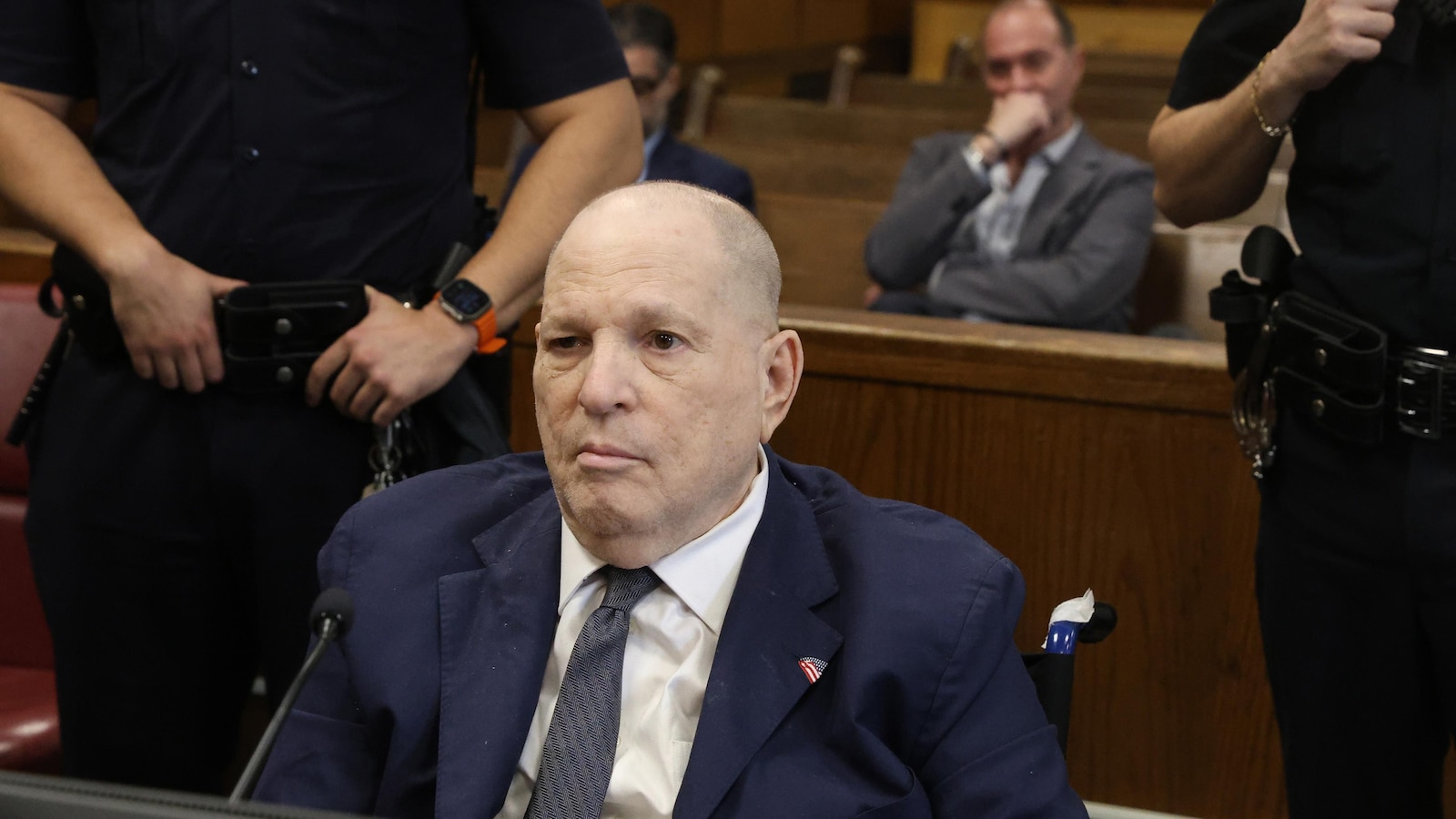
Harvey Weinstein, the 73-year-classic former movie mogul whose downfall became a catalyst for a global cultural shift, is returning to a New York courtroom to face a rape charge. After years of legal turmoil, prison time, and the enduring infamy of the #MeToo movement, the Oscar-winning producer is heading into a retrial that serves as a critical test of the legal system’s handling of sexual assault allegations against powerful figures.
The proceedings reached a new phase recently, with Weinstein appearing in court for a pre-trial hearing on Thursday, March 19, 2026, in New York according to AP News. This latest legal chapter follows a volatile history of convictions and reversals that have kept the former studio boss in a state of constant legal peril.
For the entertainment industry and the public at large, the return of this case to trial highlights the complex intersection of celebrity influence and judicial accountability. While Weinstein once wielded immense power through hits like Pulp Fiction, Shakespeare in Love, and Chocolat, he now faces a focused prosecution that aims to secure a definitive ruling on specific allegations of misconduct.
The Scope of the New York Retrial
This upcoming trial is not a mere repetition of previous proceedings. According to court details, jurors will weigh—for the third time—whether Weinstein raped hairstylist and actor Jessica Mann in a Manhattan hotel in 2013 as reported by the Associated Press. Unlike his previous trials in New York and Los Angeles, which featured an array of allegations from multiple women, this retrial will be more narrow in scope.
The prosecution is focusing on one charge based on one accuser. Marc Agnifilo, Weinstein’s new defense attorney, informed Judge Curtis Farber last month that this trial “is not going to be a mirror image of the last trial.” This streamlined approach means the jury will focus specifically on the interactions between Weinstein and Mann, rather than the broader pattern of behavior presented in earlier cases.
Weinstein has maintained his innocence regarding the charges. During a court appearance this winter, he declared that while he had “acted wrongly,” he “never assaulted anyone.” He has pleaded not guilty to the charges, which now include an additional sex crimes charge added to the original two according to The Independent.
A Shift in Legal Strategy and Representation
The tenor of the defense is expected to shift following a change in legal counsel. In February 2026, Marc Agnifilo and his partners took over the case. He replaced longtime attorney Arthur Aidala, who stepped aside from the retrial to focus on Weinstein’s ongoing civil matters and appeals.
Legal observers note a distinct difference in style between the two attorneys. While Aidala was known for a “folksy” approach, Agnifilo is described as more “buttoned-up.” This change in representation, combined with Judge Farber’s indication that he may revisit rulings regarding the evidence presented about the years of interactions between Weinstein and Mann, suggests a tactical evolution in how the defense will handle the proceedings.
The Legal Rollercoaster: Convictions and Reversals
The path to this retrial has been marked by significant judicial swings. When New York prosecutors first arrested Weinstein in 2018, it ignited a systemic change across politics, sports, and the entertainment industry. This momentum led to a 2020 jury conviction for sexual assault and rape per The Independent.
However, that victory for the prosecution was short-lived. Last year, an appeals court threw out the conviction, necessitating the current retrial. This reversal mirrored a broader trend in high-profile sex crimes cases involving powerful men. For instance, Bill Cosby’s sexual assault conviction was overturned in 2021 by the Pennsylvania State Supreme Court due to a “non-prosecution agreement,” and Kevin Spacey was ultimately acquitted of sex crimes.
Weinstein’s legal battles are not limited to New York. He is also currently appealing a 2022 conviction for rape and sexual assault in a Los Angeles case, further complicating his legal standing as he prepares for the Manhattan proceedings.
The #MeToo Movement and the Fight for Justice
Beyond the legal technicalities, the Weinstein retrial is viewed as a major test for the enduring power of the #MeToo movement. For many, the overturning of his initial New York conviction felt like a setback for the movement’s goal of holding powerful predators accountable.

Gloria Allred, a prominent attorney who has represented multiple women in cases against Weinstein, emphasized the necessity of persistence in these legal battles. Speaking to The Independent, Allred noted that the history of the women’s movement has often been “two steps forward and one step backwards,” stating, “No one has ever given women any rights at all. We’ve always had to fight to win them — and we necessitate them to have courage now more than ever.”
Key Case Timeline
| Year/Date | Event |
|---|---|
| 2018 | Initial arrest by New York prosecutors |
| 2020 | Jury convicts Weinstein of sexual assault and rape |
| 2025 | Appeals court throws out the 2020 conviction |
| February 2026 | Marc Agnifilo takes over as defense counsel |
| March 19, 2026 | Weinstein appears for a pre-trial hearing in New York |
As the case moves forward, the focus remains on the specific allegations involving Jessica Mann. The narrow scope of this trial—focusing on a single accuser and a single charge—is designed to provide a clearer, more targeted judicial determination, avoiding the complexities of the multiple-allegation approach used in previous trials.
The next confirmed checkpoint in this legal saga is the commencement of jury selection, which is set to start as early as Tuesday according to the Associated Press.
We invite our readers to share their thoughts on the implications of this retrial for the #MeToo movement in the comments below.
Worth a look