
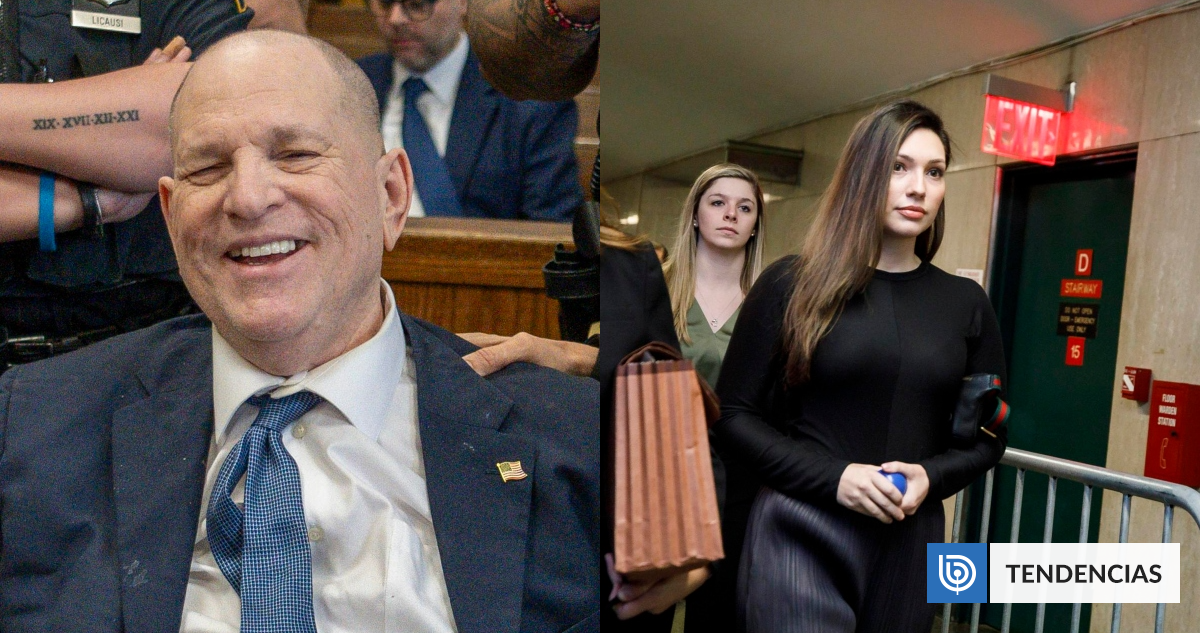
Harvey Weinstein’s third trial on a single rape charge began in Manhattan on April 21, 2026, with opening statements delivered in a courtroom once again focused on the allegations involving hairstylist and actor Jessica Mann. Prosecutors reiterated their portrayal of Weinstein as a former Hollywood power broker who exploited his influence to commit sexual assault, framing the case as one centered on power, control, and manipulation. Assistant District Attorney Candace White told jurors that the trial would hinge on whether Weinstein used his status to coerce Mann into a non-consensual encounter in a hotel room in 2013.
Weinstein’s defense team, led by attorney Jacob Kaplan, countered that the encounter was consensual and that Mann has since regretted the encounter and reframed it as a crime. This argument echoes the defense strategy used in prior trials, where Weinstein’s legal team has maintained that his accusers revised their accounts after the fact. The current trial marks the third time this specific charge has gone to trial, following an overturned conviction and a subsequent jury deadlock in earlier proceedings.
The case has been narrowed significantly compared to earlier trials, which included multiple accusers and a broader range of charges. This iteration focuses exclusively on the alleged 2013 incident in a Manhattan hotel, though both sides are expected to introduce evidence about the nature of Weinstein and Mann’s relationship before and after that day. The prosecution emphasized that the core issue remains whether Weinstein abused his position in the film industry to intimidate and assault Mann.
Weinstein has undergone notable changes in his legal representation for this trial, switching to a new defense team that has signaled a shift in tone and strategy. According to reports from the opening session, his attorneys intend to limit discussion of a settlement fund established for women who have accused Weinstein of sexual misconduct, a topic that featured more prominently in previous trials. This adjustment reflects an effort to streamline the defense and avoid distractions from the central allegation.
The trial is being presided over in Manhattan Supreme Court, with District Attorney Alvin Bragg observed in the audience during opening statements. Bragg’s office is overseeing the prosecution, continuing the city’s pursuit of accountability in high-profile cases linked to the #MeToo movement. Weinstein, once a dominant figure in Hollywood, has faced mixed outcomes in prior trials—convicted on some charges, acquitted on others, and seen certain counts dismissed—but the rape allegation involving Mann has persisted due to procedural complications in earlier verdicts.
Outside the courthouse, supporters and critics of Weinstein gathered, reflecting the enduring public interest in a case that has become a touchstone in discussions about sexual misconduct, power dynamics, and accountability in the entertainment industry. The trial continues to draw significant media attention, underscoring its role as a bellwether for how the justice system handles cases involving influential defendants and allegations of sexual violence.
As the proceedings advance, the jury will be tasked with weighing conflicting narratives about consent, credibility, and the influence of celebrity power. The outcome may carry implications not only for Weinstein, who remains incarcerated following convictions in other jurisdictions, but also for how similar cases are approached in the future. Legal analysts note that the singular focus on one incident and one accuser could streamline deliberations, though the defense’s emphasis on post-event regret presents a persistent challenge for prosecutors seeking to establish lack of consent beyond reasonable doubt.
The trial is expected to continue for several weeks, with both sides set to call witnesses, introduce correspondence, and present expert testimony regarding behavioral dynamics in unequal power relationships. No official date has been set for closing arguments or jury deliberation, but updates will be issued by the court as the case progresses. For ongoing coverage of this and other significant legal developments, readers are encouraged to follow trusted news sources and share informed perspectives on the evolving conversation surrounding justice and accountability.