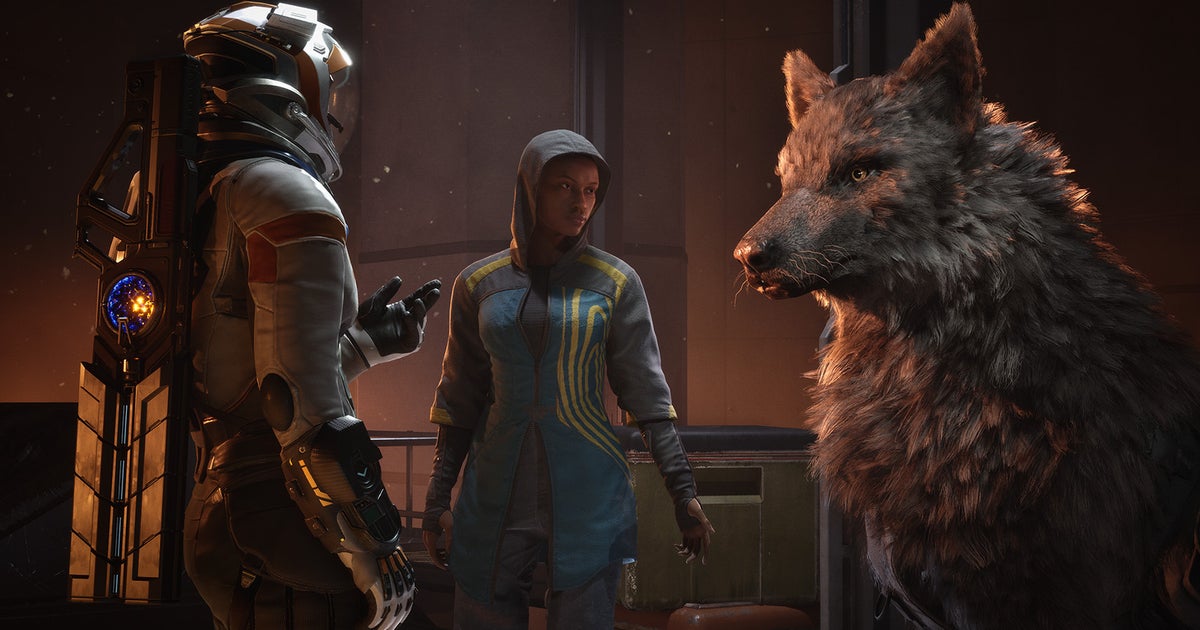
Los Angeles, May 20, 2026 — The sci-fi RPG genre, once dominated by BioWare’s critically acclaimed Mass Effect trilogy, finds itself at a crossroads. Hasbro CEO Chris Cocks has publicly stated that the space “hasn’t had a good game in a long time,” signaling a rare moment of vulnerability for a company better known for its toy empire than its gaming ambitions. Now, with the highly anticipated release of Exodus on the horizon, the toy giant is betting big that this new title could revive the genre—and redefine what it means to be a modern sci-fi RPG.
For fans who grew up with Commander Shepard’s moral dilemmas and the sprawling universe of the Citadel, the news comes as both a challenge and a promise. While Hasbro’s foray into gaming has historically been more about licensing than development, Exodus represents a bold pivot. The game, developed in partnership with an undisclosed studio (reports suggest a collaboration with a mid-sized indie developer specializing in narrative-driven experiences), aims to blend Hasbro’s deep roots in pop culture with cutting-edge RPG mechanics. But can it truly fill the void left by Mass Effect: Andromeda‘s divisive reception and the years of silence since?
The stakes are high. Sci-fi RPGs have struggled to maintain their cultural relevance since the backlash against Andromeda, which many fans saw as a missed opportunity to build on the legacy of the original trilogy. Meanwhile, competitors like Starfield and Cyberpunk 2077 (post-redemption arc) have redefined expectations for open-world storytelling. Hasbro’s entry into this space isn’t just about competing—it’s about proving that the genre can evolve without losing its soul.
Why Hasbro Believes Exodus Could Change the Game
In a recent interview with Hasbro Pulse, CEO Chris Cocks emphasized that Exodus is designed to address the genre’s current shortcomings. “We’ve seen what works and what doesn’t,” Cocks said. “The players want depth, choice, and a universe that feels alive—not just a collection of set pieces.” While the exact details of the game remain under wraps (a common strategy for high-profile releases), leaks and developer statements suggest a focus on:
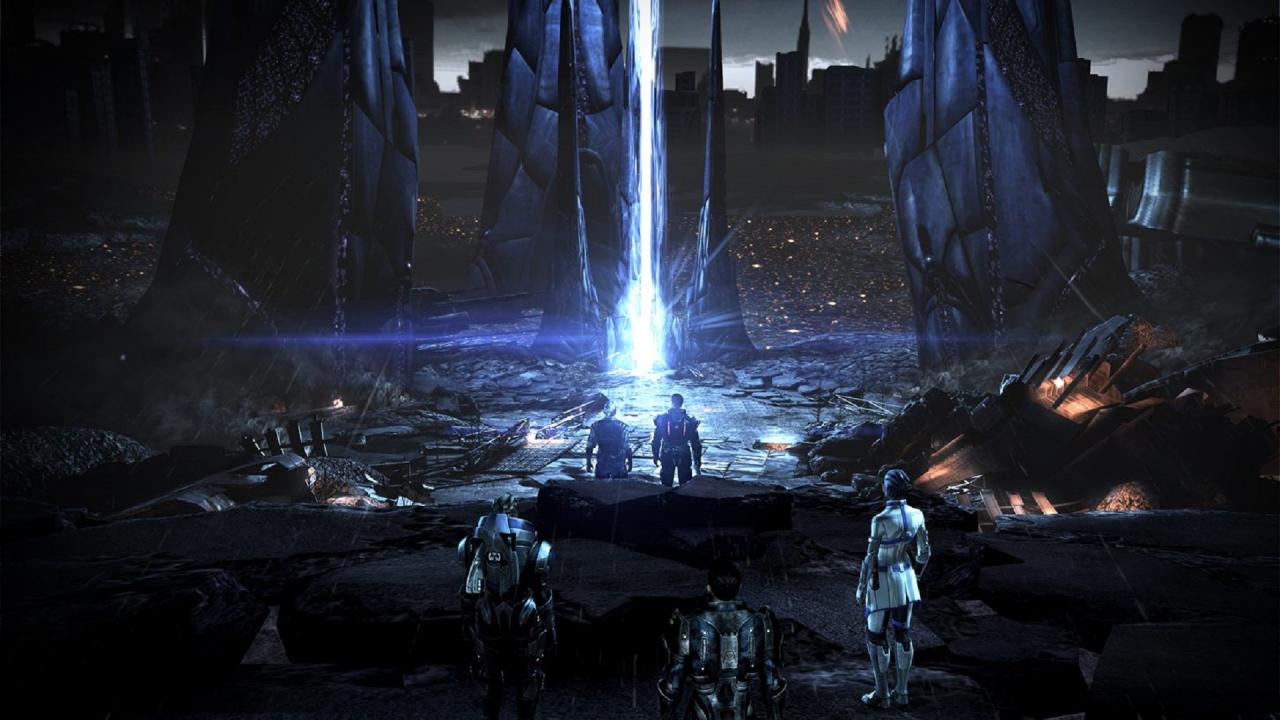
- Player agency: A branching narrative where decisions have tangible, long-term consequences, a hallmark of the original Mass Effect series.
- World-building: A living galaxy with dynamic events, factions, and emergent storytelling—something Andromeda critics cited as lacking.
- Accessibility: Streamlined mechanics to appeal to both hardcore RPG fans and casual players, a nod to Hasbro’s toy roots.
Yet, the project faces skepticism. Some industry observers question whether a toy company can replicate the organic, developer-driven creativity that defined BioWare’s best work. Others point to Hasbro’s past missteps, such as the underwhelming reception of Transformers: War for Cybertron (2010), which struggled with technical and narrative issues. “Hasbro has the brand power, but can they deliver the substance?” asks Polygon gaming analyst James Davenport.
The Mass Effect Legacy—and What Comes Next
The Mass Effect franchise remains a benchmark for sci-fi RPGs, but its recent history is a cautionary tale. After the divisive Andromeda (2017), BioWare shifted focus to other franchises, leaving the series in limbo. Fans have since turned to titles like Dragon Age: Inquisition and The Witcher 3 for similar experiences, but none have fully captured the spirit of Shepard’s journey. Enter Exodus—a title that, if successful, could signal a renaissance for the genre.
What sets Exodus apart, according to early reports, is its emphasis on procedural storytelling. Unlike traditional RPGs with scripted quests, Exodus is rumored to generate unique events, characters, and even entire story arcs based on player actions. This approach aligns with modern trends in games like Disco Elysium and Outer Wilds, where emergent gameplay enhances replayability. “We’re not just making a game,” a developer involved in the project told IGN. “We’re building a sandbox where players can shape their own epic.”
Who Stands to Gain—and Who Could Be Left Behind?
The potential impact of Exodus extends beyond gaming. Hasbro’s move into narrative-driven RPGs could influence its broader entertainment strategy, particularly in:
- Licensing: If Exodus succeeds, we may see more Hasbro-owned IPs (like G.I. Joe or Transformers) adapted into high-quality games, blending toy sales with digital engagement.
- Competition: Publishers like EA and Bethesda will need to step up their sci-fi RPG offerings, potentially accelerating the development of long-awaited sequels or spin-offs.
- Fan communities: The Mass Effect fandom, in particular, is eagerly awaiting proof that the genre can evolve without losing its identity. A strong Exodus could reignite passion for sci-fi RPGs, while a misstep might push players toward other genres entirely.
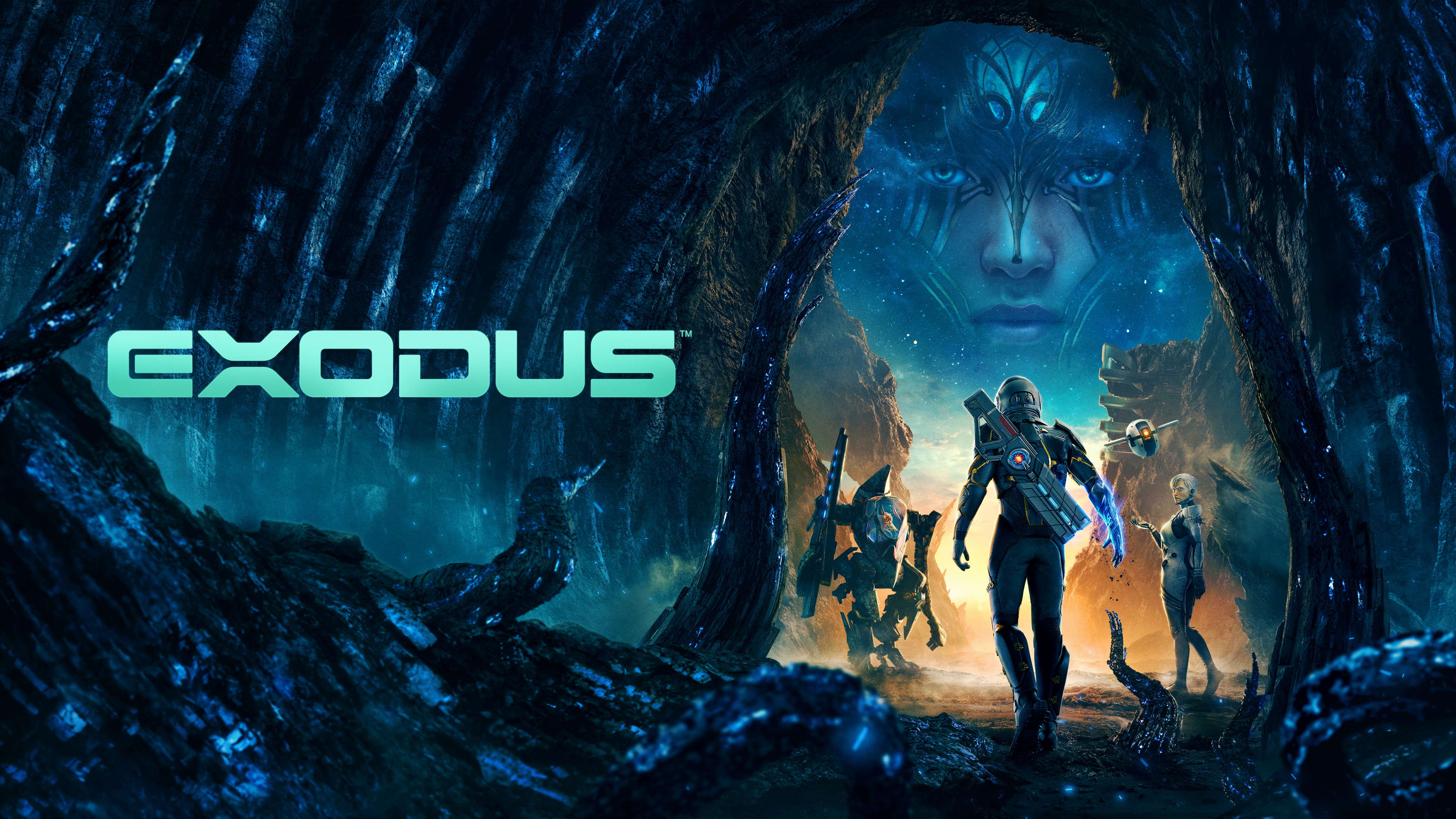
For now, the biggest question remains: Can Hasbro deliver? The company has a history of leveraging nostalgia and pop culture, but Exodus demands more than just brand recognition—it requires a deep understanding of what makes sci-fi RPGs resonate. With no official release date confirmed (rumors suggest late 2026 or early 2027), the wait continues. But one thing is clear: the genre’s future may hinge on whether Hasbro can turn Exodus into more than just another entry—into a title that redefines the genre for a new generation.
What We Know So Far—and What’s Still a Mystery
Exodus is shrouded in secrecy, but a few key details have emerged from developer interviews and industry leaks:

- Setting: The game is set in a shared universe with Mass Effect, though it appears to focus on a new faction and timeline, avoiding direct retcons.
- Gameplay: Early screenshots suggest a blend of real-time combat (like Mass Effect 2) and strategic RPG elements, with a focus on ship-based exploration.
- Multiplayer: Rumors of a cooperative mode have surfaced, though details are scarce. Hasbro has not confirmed whether this will be a standalone feature or a post-launch addition.
What remains unclear:
- The exact release window (no official date has been announced).
- The development studio’s identity (reports point to a collaboration, but no name has been confirmed).
- Whether Exodus will be a single-player experience or include live-service elements—a concern for fans wary of microtransactions.
A Look at the Competition
Hasbro isn’t the only company betting on sci-fi RPGs. Here’s how Exodus stacks up against recent and upcoming titles:
| Game | Developer | Release Date | Key Features | Potential Overlap with Exodus |
|---|---|---|---|---|
| Starfield | Bethesda | February 2023 | Open-world exploration, ship combat, faction-based storytelling | Similar sci-fi setting, but more action-focused; Exodus may emphasize narrative depth. |
| Cyberpunk 2077: Phantom Liberty | CD Projekt Red | June 2023 | Open-world RPG, player choice, cyberpunk aesthetic | Proves demand for narrative-driven RPGs; Exodus could compete in this space. |
| Dragon Age: Diamond Heist | BioWare | TBA (2024/2025) | Co-op RPG, heist mechanics, Dragon Age universe | From the same studio as Mass Effect; could be a direct competitor if narrative-driven. |
| Exodus | Hasbro (collaboration) | Unconfirmed (late 2026/early 2027) | Procedural storytelling, player agency, sci-fi setting | Aims to differentiate with emergent gameplay and Hasbro’s IP. |
What’s Next for Exodus?
As of this writing, Hasbro has not announced a firm release date for Exodus, nor has it shared a trailer or additional gameplay footage. The company’s next major move is expected at E3 2026, where industry speculation suggests a full reveal may take place. Until then, fans can:
- Follow Hasbro Pulse for official updates.
- Monitor gaming news outlets like Polygon and IGN for leaks and developer interviews.
- Engage with the Mass Effect community on platforms like Reddit’s r/masseffect for fan theories and wishlists.
For now, the conversation around Exodus is less about the game itself and more about what it represents: a rare opportunity for Hasbro to prove it can be more than just a toy company. If successful, Exodus could mark the beginning of a new era for sci-fi RPGs—one where player choice, deep storytelling, and Hasbro’s pop culture muscle collide in ways we haven’t seen since the original Mass Effect trilogy.
But as always in gaming, the proof will be in the play. And for now, the wait continues.
Key Takeaways
- Hasbro’s ambition: CEO Chris Cocks has framed Exodus as a potential revival for the sci-fi RPG genre, which has struggled since Mass Effect: Andromeda.
- Procedural storytelling: Early reports suggest the game will focus on emergent gameplay, where player actions shape the narrative—a departure from traditional scripted quests.
- Competitive landscape: Exodus will face stiff competition from titles like Starfield and Cyberpunk 2077, but its potential lies in blending Hasbro’s IP with modern RPG mechanics.
- Unanswered questions: No release date, developer name, or multiplayer details have been confirmed, leaving fans eager for more information.
- Industry impact: A successful Exodus could influence Hasbro’s broader gaming strategy, potentially leading to more licensed RPG titles.
What do you think? Could Exodus be the sci-fi RPG revival gamers have been waiting for, or is Hasbro biting off more than it can chew? Share your thoughts in the comments—and don’t forget to follow World Today Journal for the latest updates as this story develops.
Worth a look