The Norwegian maritime sector is witnessing a period of notable financial recalibration, with Havila Kystruten recently reporting a significant increase in its operational performance. As the company continues to navigate the competitive waters of the coastal voyage route, its latest financial disclosures highlight a trajectory of growth that has caught the attention of industry analysts and stakeholders alike. In the first quarter of 2025, Havila Kystruten demonstrated robust financial health, reporting revenues reaching 1.7 billion NOK, a figure that underscores the company’s expanding market footprint and operational stabilization.
For those tracking the broader maritime industry, these results are more than just numbers on a balance sheet. they represent the ongoing evolution of sustainable shipping practices. Havila Kystruten, known for its focus on energy-efficient vessels and the integration of large-scale battery technology, has positioned itself as a key player in the transition toward greener maritime logistics. This recent revenue performance reflects both the successful scaling of its fleet operations and a strengthening demand for its service offerings along the historic Norwegian coastal route.
As a technology editor, I often look at how engineering innovation translates into business viability. In this case, the intersection of specialized maritime technology and service delivery is yielding tangible fiscal results. According to the company’s official stock exchange announcements, the improvement in profitability is a direct consequence of both increased capacity and enhanced operational efficiency across its four-ship fleet.
Strategic Growth and Operational Efficiency
The transition from a startup phase to a mature operational state is rarely linear, yet Havila Kystruten’s recent data suggests a period of sustained growth. The company’s ability to generate 1.7 billion NOK in revenue during the early months of 2025 highlights a successful push toward full-scale operations. This growth is supported by a significant increase in passenger bookings and freight volumes, which have benefited from the company’s commitment to providing a modern, low-emission travel experience.
Beyond the top-line revenue growth, the company has emphasized improvements in its operating margin. By optimizing voyage planning and leveraging the energy-efficient capabilities of its plug-in hybrid ships, Havila Kystruten has managed to mitigate some of the rising fuel and operational costs that have historically challenged the maritime sector. This focus on “green” tech is not merely a branding exercise; it is a fundamental component of their cost-management strategy, reducing dependence on traditional marine gas oil and lowering the carbon footprint of their transit operations.
Market Impact and Future Outlook
What does this mean for the future of coastal transport? The maritime industry is currently facing stringent regulatory pressure to decarbonize, and Havila Kystruten’s current financial standing serves as an captivating case study. By investing in battery-powered vessels capable of sailing emission-free for several hours, the company has effectively future-proofed its operations against potential carbon taxes and tightening maritime environmental regulations. This strategic foresight is now reflecting in their improved bottom line, proving that sustainable innovation can indeed be profitable in the long term.

Looking ahead, the company continues to focus on strengthening its balance sheet while maintaining the high service standards expected on the Norwegian coastal route. The successful integration of their full fleet has allowed for more consistent scheduling and improved reliability, which are critical factors for both tourism and local transport sectors. For investors and industry observers, the next key milestone will be the second-quarter financial reports, which are expected to provide further clarity on whether this growth trend can be sustained throughout the peak summer season.
Key Takeaways for Stakeholders
- Revenue Performance: The company reported 1.7 billion NOK in revenues for the first quarter of 2025, signaling strong market demand.
- Operational Focus: Increased profitability is largely attributed to the full deployment of the company’s four-ship fleet and improved operational efficiency.
- Sustainability as Strategy: The integration of battery-hybrid technology continues to be a central pillar in reducing operational costs and meeting environmental standards.
- Market Position: Havila Kystruten has solidified its role as a major provider of coastal transport, balancing passenger services with essential logistics.
Navigating Challenges in the Maritime Sector
Despite the positive financial indicators, the maritime industry remains inherently volatile. Factors such as fluctuating energy prices, maintenance requirements for advanced propulsion systems, and global economic conditions remain variables that could impact future results. The company has explicitly noted in its financial reporting that it continues to monitor these risks closely to ensure that the current growth trajectory remains resilient against external shocks.

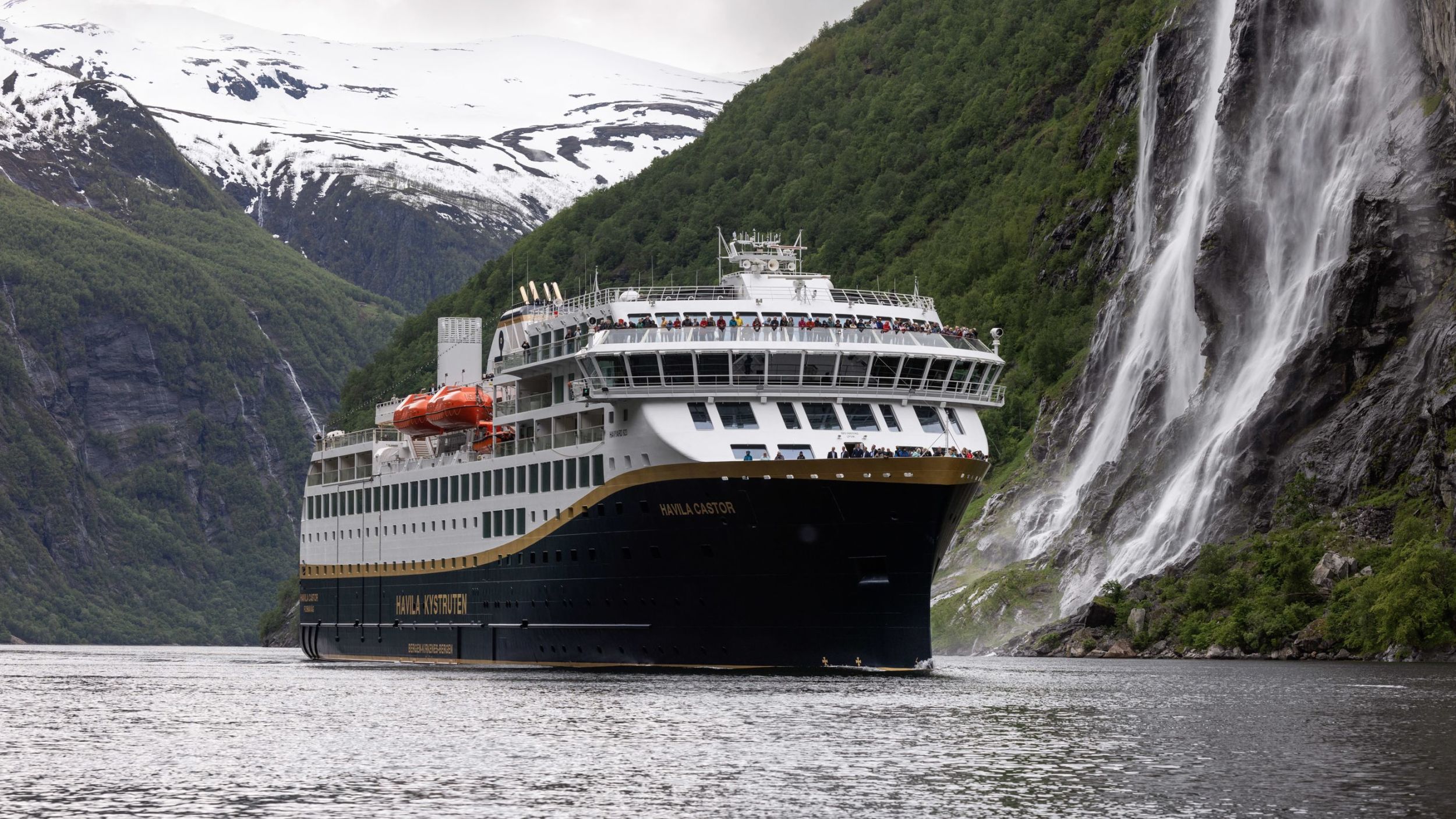
As we monitor these developments, Havila Kystruten is entering a phase of operational maturity. The combination of high-tech hardware and a clear service mission has allowed them to carve out a sustainable niche in a competitive market. For readers interested in following this story further, the company provides regular updates through its official investor relations portal, where stakeholders can access detailed quarterly reports and upcoming financial calendars.
The next major checkpoint for investors will be the publication of the second-quarter financial results, scheduled for release in accordance with the standard Oslo Stock Exchange reporting cycle. We will continue to monitor these filings to see how the company navigates the remainder of the 2025 fiscal year. What are your thoughts on the role of green technology in the maritime shipping industry? Share your perspectives in the comments section below—I look forward to hearing your take on how these innovations are reshaping the future of global travel.
Worth a look
- Microsoft-Backed 550MW AI Data Center Project Signals Shift Away from Traditional European Hubs
- The Future of Gaming: Project Helix, PlayStation 6, and the Declining Console Market in 2027
- Building Wealth Through Trading: Laying Strong Financial Foundations (newsdirectory3.com)
- Poland’s Food and Meat Export Boom: Growth, Records, and Challenges (archyde.com)