The Brutal Killing of Anastasio Hernandez-Rojas and the Border Patrol Cover-Up: A deep Dive
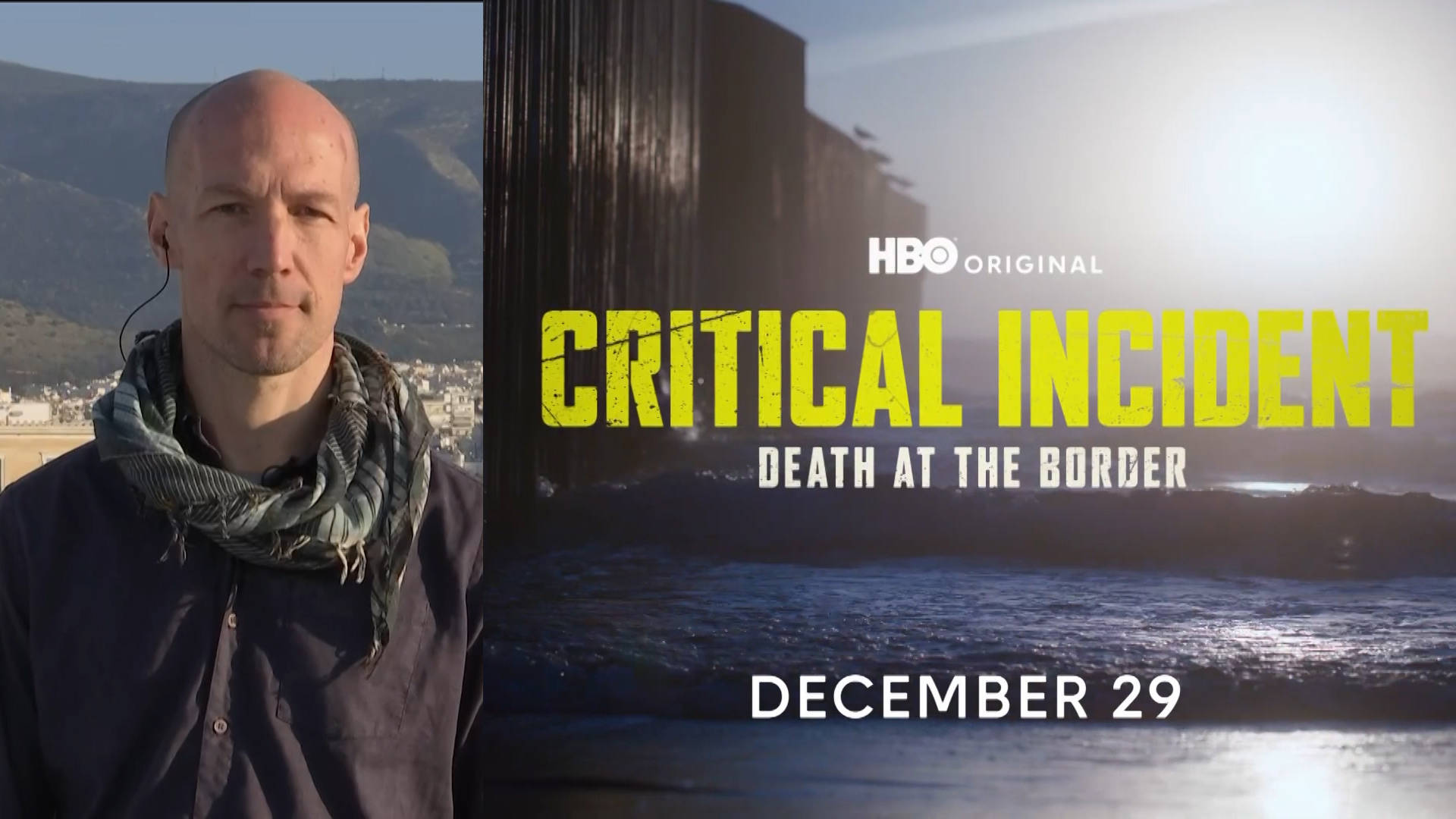
The death of Anastasio Hernandez-Rojas at the San Ysidro border crossing in 2010 remains a harrowing example of excessive force and a subsequent, deeply troubling cover-up by U.S. Border Patrol. A new HBO documentary, Critical Incident, meticulously details the events surrounding his death, exposing a pattern of obstruction, falsified reports, and a systemic effort to shield those responsible.This article delves into the details of the case, the investigative failures, and the implications for accountability within the Border Patrol.
A Public Torture: The Events of May 28, 2010
The circumstances of Anastasio Hernandez-Rojas’ death are deeply disturbing. Witnesses described a scene of brutal violence unfolding in plain sight, at one of the world’s busiest border crossings. Hernandez-Rojas, apprehended after allegedly entering the U.S.illegally, was reportedly already in custody when agents began subjecting him to repeated tasing and physical assault. Eyewitness accounts paint a horrific picture: Hernandez-Rojas was forced to the ground, rolling and convulsing like an animal, and repeatedly struck, including having his head slammed against the pavement. Crucially, this occurred in full view of hundreds of pedestrians on a nearby bridge, who watched in horror as the situation escalated.
The initial reports, however, drastically differed from these eyewitness testimonies. The official narrative attempted to portray Hernandez-Rojas as combative and actively resisting arrest, suggesting his death was a result of a struggle. However, the evidence, as revealed by critical Incident, points to a deliberate attempt to misrepresent the truth.
Systematic Obstruction of Justice
The examination into Hernandez-Rojas’ death was hampered from the outset by a concerted effort to obstruct justice. According to reporting featured in the documentary, Border Patrol agents promptly began deleting cellphone videos taken by bystanders. Evidence was destroyed,and witnesses were actively intimidated and dispersed,preventing authorities from gathering accurate accounts of what transpired.
The crime scene itself was not preserved. Instead of securing the area and collecting evidence,agents focused on removing witnesses and failing to obtain their contact details,making a thorough reconstruction of events nearly impossible for arriving law enforcement.
Adding insult to injury,the San Diego Police Department wasn’t even informed of the incident by the Border patrol. They learned of Hernandez-Rojas’ death through a local television reporter – a clear indication of the agency’s intent to control the narrative. Further obstruction came in the form of withheld surveillance footage. Multiple security cameras captured the incident, but the Border Patrol claimed the footage either didn’t exist or had been destroyed.
A Cover-Up Reaching the Highest Levels
The documentary reveals a chilling admission from James Tomsheck, a former Border Patrol official, who stated he was specifically ordered by a deputy chief to falsify reports related to Hernandez-Rojas’ death. this revelation underscores that the cover-up wasn’t a rogue act, but a systematic effort orchestrated from within the highest echelons of the Border Patrol, implicating the entire chain of command.
The Role of Rodney Scott: A Pattern of Oversight and Control
Rodney scott, who served as deputy chief of the San Diego sector during the incident and later became Border Patrol commissioner under the Trump governance, is a central figure in the controversy. As detailed in Critical Incident, Scott’s signature appears on a subpoena used to obtain Hernandez-Rojas’ medical records before they could be released to the police.
The documentary also highlights the existence of “Critical Incident Teams” – investigative units operating outside the normal chain of command and reporting directly to sector leadership, including Scott. These teams, designed to investigate incidents involving Border Patrol agents, raise serious questions about impartiality and accountability. While Scott denies wrongdoing in interviews,the documentary forces him to confront the details of the case and his role in the initial response.
The Fight for Justice and the Importance of critical Incident
The case of Anastasio Hernandez-Rojas is a stark reminder of the potential for abuse of power and the importance of independent oversight. The lack of accountability for those involved in his death has fueled years of outrage and demands for justice.
Critical Incident is a vital piece of investigative journalism that brings this story to a wider audience. It’s a powerful indictment of a system that prioritized protecting its own over seeking truth and justice for a man whose life was tragically cut short.The documentary serves as a crucial call for reform within the Border Patrol