2026-01-09 11:36:00
I get why the best wireless headphones are so popular. They’re convenient, there’s no wires to tangle, and you don’t have to worry about source quality or wired dongles. You turn them on, connect them to your phone, and you play your music.
Now, as everything around us becomes ever-more convenient, the allure of wired headphones and their juxtaposing simplicity in use and complexity in choice and sound becomes ever more tempting.
No battery life to worry about
I can’t think of many things more annoying (except, perhaps, a rash) than picking up your headphones ready for a day of music only to discover that you forgot to charge them. Instant devastation, day ruined, where on earth did I leave my charging cable?
That’s not the case with wired headphones. After all, they’re powered by the device you’re listening to as opposed to a built-in battery, so you don’t need to worry about charging them. Pick them up, put them in your bag, and connect the cable when you want to use them. Simple. Reason one to choose some wired headphones.
Better sound

Generally, to achieve the best sound possible with a pair of wireless headphones, you’ll need to spend hundreds of dollars. While some cheaper options sound fine, they pale in comparison to something with a wire that costs the same.
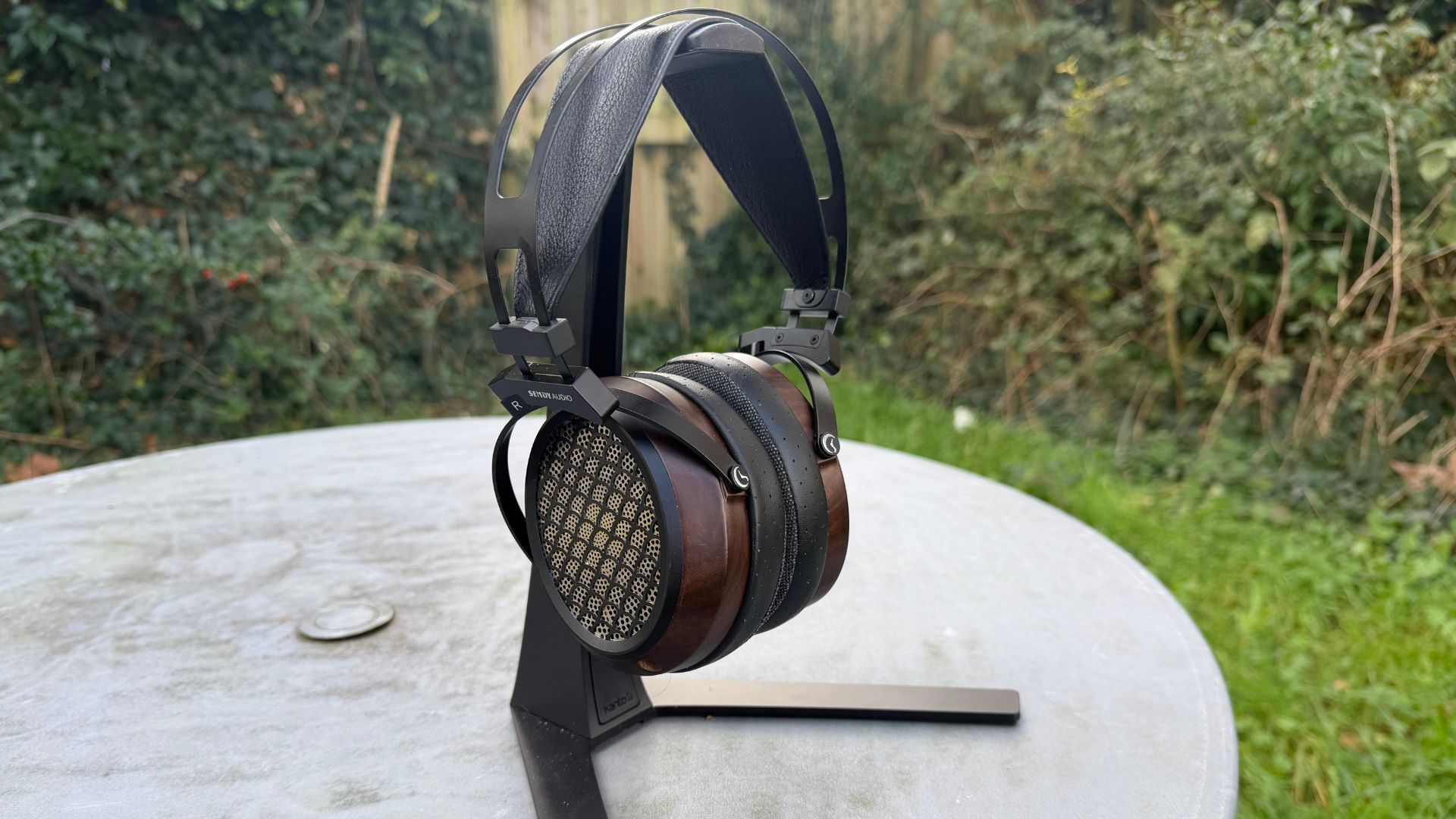
Cheaper options, like the Fiio FT13 (pictured above), cost less than the Sony WH-1000XM6, and sound much better. They don’t have to worry about doing double or even triple duty with ANC and other features — all they have to do is play your music. And they do it very well indeed.
Generally, the price-to-sound performance ratio is drastically weighted towards wired headphones. Perfect if you want the best sound possible.
Often better comfort

Ok, so this isn’t true for every pair of wired headphones (some of them are very uncomfortable indeed), but it’s often much easier to find comfortable wired headphones than it is wireless ones.
It comes by virtue of them not having as many things in them. Instead, they’re often very light and covered with snazzy leather (or leather-alike) padding. There are wired models that I’ve worn for hours and hours and completely forgotten about — even when not listening to music.
Generally, look for something with a leather suspension band and shaped earcups. Even better, try them out before you buy. Then you’ll know just how comfortable they might be.
They work with just about anything

While most modern devices support Bluetooth, not all legacy ones do. Even then, some devices that you use now don’t want you to use Bluetooth headphones — Xbox Series X, I’m looking at you. What they all will work with, however, is wired headphones.
Phones? Grab a cheapo dongle and get listening. Your game consoles? There are 3.5mm jacks on the controller, or the system itself (a la Nintendo Switch 2). If your laptop doesn’t have a headphone jack, then I’ll eat my slippers.
So grab that old iPod out of the drawer, and get listening.
There are some sacrifices

There are a few things you’re going to have to give up if you opt for some wired headphones. First and foremost is ANC, the technology that separates you from the world around you.
That could be a deal-breaker if you’re frequently found on airplanes and other noisy transport. For everyone else, there’s something freeing about listening and still being able to hear what’s going on around you.
You’re also going to lose all those fancy features built into applications, so that means no spatial audio and no EQ adjustment. So there are sacrifices.
Ultimately, though, I think it’s worth it. Or, perhaps, you could just buy both.

Follow Tom’s Guide on Google News and add us as a preferred source to get our up-to-date news, analysis, and reviews in your feeds.
More from Tom’s Guide