The 2026 FIFA World Cup transformed the global sporting stage into a massive health communication platform, as major brands shifted from traditional advertising to integrating wellness, digital health, and personal care into the fan experience. From the use of wearable technology among national teams to pharmaceutical campaigns focused on patient resilience, the tournament underscored a growing trend of embedding health messaging into the fabric of elite sports.
During the 39-day tournament, global corporations leveraged the event to reach billions of viewers, positioning their products within the context of athletic performance and personal wellbeing. This approach moved beyond basic sponsorship, with companies like Unilever, Nike, Adidas, and various pharmaceutical leaders activating campaigns that reached across more than 120 consumer markets.
Wearable Technology and Athlete Performance
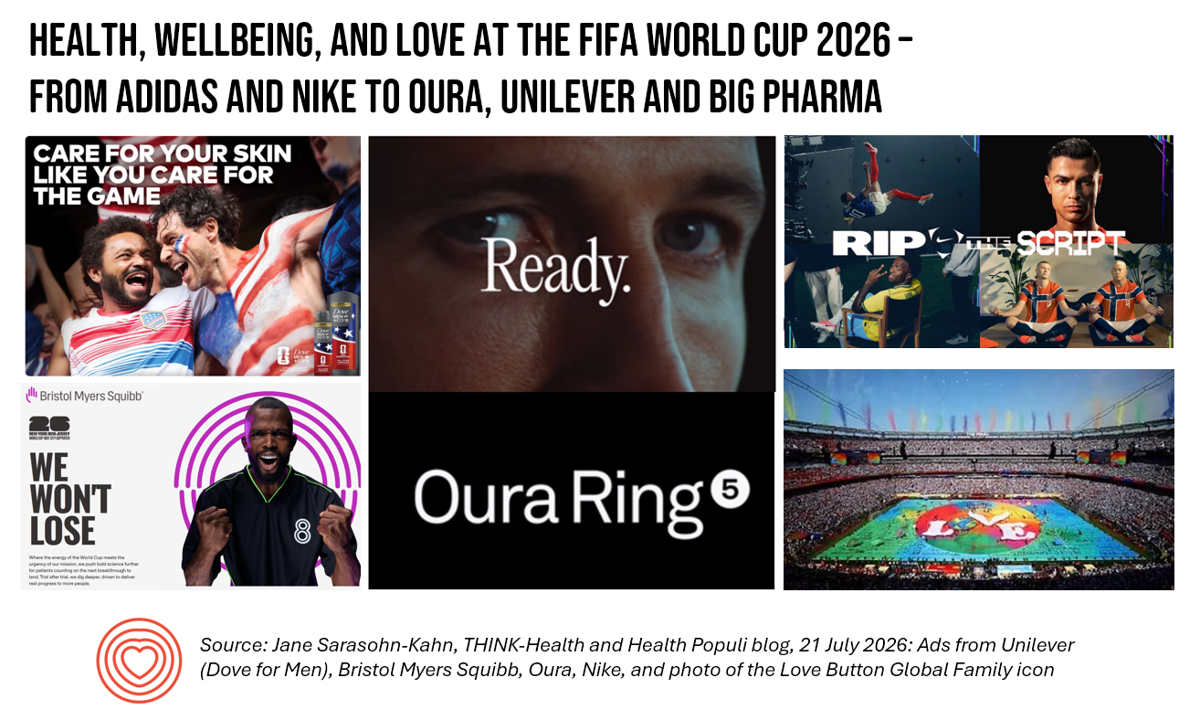
Wearable technology played a central role in the 2026 tournament, with Oura serving as an official partner to U.S. Soccer. The partnership integrated the Oura Ring into the daily health monitoring workflows for athletes, coaches, and staff across 27 national teams, tracking metrics such as sleep patterns and recovery. To amplify this, the company appointed England stars Harry Kane and Declan Rice as global ambassadors, aiming to bridge the gap between professional athletic training and consumer wellness. According to Doug Sweeny, Chief Marketing Officer at Oura, the integration of such technology into the World Cup was intended to offer a sense of unity in a period marked by global unrest, noting that sports provide a platform to bring people together.
Personal Care and Social Storytelling
Unilever, serving as the official personal care sponsor for the 2026 FIFA World Cup, executed a widespread digital strategy involving 35 brands, including Dove, Axe, and Pepsodent. The company mobilized more than 50,000 social media creators to generate real-time content throughout the tournament. Beyond digital engagement, Unilever established in-person experiential hubs in major host cities, including Mexico City, Miami, and New York City. These hubs, alongside the “Locker Room” social media initiative, were designed to facilitate fan engagement and promote personal care products through the lens of football culture.
Pharmaceutical Campaigns and Public Health
The 2026 World Cup also saw significant promotional activity from the pharmaceutical sector, which sought to align brand messaging with the concepts of resilience and long-term health. Bristol Myers Squibb launched its “We Won’t Lose” campaign, using the metaphor of a “game of inches” to draw parallels between the precision required in professional soccer and the rigor of scientific research. The campaign emphasized the company’s focus on patient-centered outcomes and community impact.
Similarly, Eli Lilly utilized the global platform to launch an advertising campaign titled “150 Years of Everything Else.” The messaging pivoted away from a traditional focus on illness, instead framing medicine as a tool for health and enabling individuals to participate in the “moments that matter.” This shift in pharmaceutical advertising reflects a broader industry strategy to position medical interventions as essential components of a full, active life rather than merely reactive treatments for disease.
Star Power and Creative Campaigns
Major apparel brands utilized high-profile talent and cinematic storytelling to maintain visibility throughout the event. Nike released a six-minute film titled “Rip the Script,” featuring a diverse roster of athletes and public figures, including Erling Haaland, Cristiano Ronaldo, LeBron James, and Kim Kardashian. Adidas countered with its “Backyard Legends” campaign, centered on the “You Got This” platform. This series highlighted local community sports and featured a star-studded “Dream Team” including Lionel Messi, Jude Bellingham, and Trinity Rodman, alongside cameo appearances by David Beckham.
These campaigns functioned as a bridge between the professional elite level of the sport and the grassroots participation that defines football globally. By blending pop culture, sports, and health, these brands aimed to resonate with the estimated 6 billion fans who followed the 2026 tournament.
As the tournament concluded, the focus on emotional connection remained a recurring theme in media coverage. The final match between Argentina and Spain featured a prominent display of the “Love Button” icon, representing the Love Button Global Movement, which advocates for acts of compassion. Such moments, including the viral interaction between Keyne Lamal and his brother on the pitch, underscored the tournament’s emphasis on human connection as a core component of the fan experience.
For those interested in tracking the ongoing impact of these health-focused brand activations, industry updates and analyses remain available through professional media monitors and official company press releases. Readers are encouraged to share their thoughts on the integration of wellness into global sporting events in the comments section below.
Worth a look