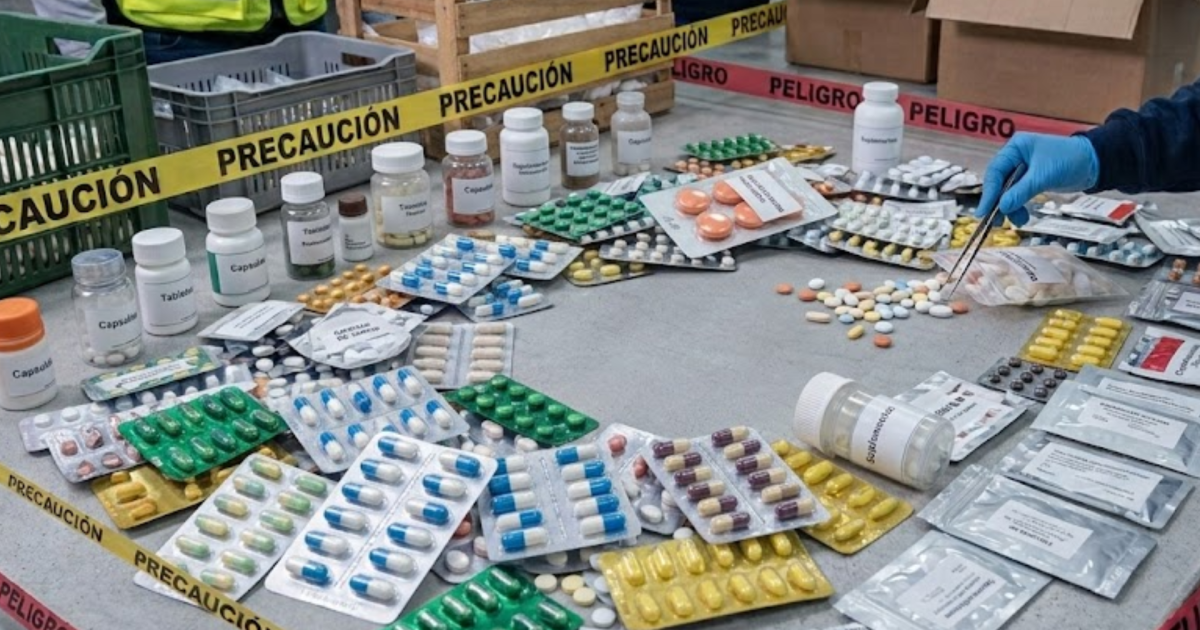
Health authorities in Mexico have initiated a voluntary recall of specific batches of an allergy medication following the detection of potential impurities. The Federal Commission for Protection against Sanitary Risks (COFEPRIS) issued the alert to ensure patient safety after quality control assessments identified deviations from established pharmaceutical standards.
The recall focuses on specific lot numbers of antihistamines distributed within the Mexican market. According to COFEPRIS, the measure is a preventative action to mitigate risks associated with the potential presence of substances that do not meet the required purity specifications for human consumption.
Patients currently using allergy medications are advised to check their packaging against the official list of affected lots. While the agency has not reported widespread adverse reactions, the voluntary nature of the recall indicates a proactive effort by the manufacturer and regulators to remove substandard products from pharmacy shelves and hospital inventories.
COFEPRIS Recall Scope and Affected Medication
The recall specifically targets batches of medications used to treat allergic rhinitis and urticaria. According to the official sanitary alert, the decision to withdraw these lots follows a rigorous internal audit and subsequent government verification process that identified a risk of contamination or degradation of the active ingredient.
COFEPRIS directs healthcare providers and pharmacists to immediately cease the distribution and sale of the identified lots. The agency emphasizes that the recall is limited to specific batch numbers and does not apply to all versions of the medication or all brands of antihistamines available in the country.
For those who possess the affected medication, the regulatory body recommends consulting a healthcare provider before discontinuing treatment, as abrupt cessation of certain allergy medications can lead to a return of symptoms or rebound effects depending on the specific compound used.
How to Identify Recalled Allergy Medication Lots
To determine if a medication is part of the recall, consumers must locate the lot number (lote) and expiration date printed on the side of the cardboard box or the blister pack. COFEPRIS publishes these specific identifiers in their official sanitary alerts to allow for precise identification.
According to the agency’s guidelines, any individual holding a product from a recalled lot should return the medication to the pharmacy where it was purchased. This process allows the government to track the distribution chain and ensures that the substandard product is disposed of according to hazardous waste protocols.
The agency has urged the public to rely exclusively on official government channels for the list of affected lot numbers to avoid misinformation. COFEPRIS maintains a digital database of sanitary alerts where the most current recall lists are updated in real-time.
Risks of Pharmaceutical Impurities and Regulatory Impact
Pharmaceutical impurities can occur during the synthesis of the active pharmaceutical ingredient (API) or through degradation caused by improper storage and transport. According to the World Health Organization (WHO), the presence of unintended impurities in medications can reduce the efficacy of the drug or, in some cases, cause unexpected side effects.
In this specific case, the voluntary recall serves as a mechanism to prevent these risks from impacting public health. By removing the lots before significant patient exposure occurs, the manufacturer and COFEPRIS aim to maintain the integrity of the national pharmaceutical supply chain.
This action aligns with international Good Manufacturing Practices (GMP), which require companies to notify regulators immediately upon the discovery of a quality defect. The speed of the voluntary recall is often viewed by health policy analysts as an indicator of a functioning surveillance system within the national healthcare infrastructure.
Guidelines for Patients and Healthcare Providers
Healthcare providers are instructed to review their current stock and notify any patients who may have been prescribed the affected lots. The priority is to replace the substandard medication with a verified, safe alternative to ensure continuity of care for patients suffering from chronic allergies.
Patients experiencing unusual symptoms while taking their allergy medication—such as unexpected rashes, severe dizziness, or a lack of therapeutic response—should contact their physician immediately and provide the lot number of their medication for reporting purposes.
The Mexican health authorities have established a reporting line for adverse reactions (farmacovigilancia) to monitor any health events linked to these specific batches. This data is critical for determining whether the impurity levels posed a significant clinical risk or were merely a technical deviation from purity standards.
The next official update from COFEPRIS is expected to include a final report on the percentage of recalled lots successfully recovered from the market. Patients can monitor the official COFEPRIS portal for further updates on this and other sanitary alerts.
If you have found a recalled lot in your medicine cabinet, please share this information with others who may be using the same medication. We welcome your comments and questions regarding pharmaceutical safety in the section below.
Worth a look
- Tribute to Dr. Odile Domard: Pioneering Physician and Chevalier of the National Order of Merit
- Why Do You Get Sick as Soon as Your Vacation Starts? (Leisure Sickness Explained)
- Illinois Mental Health Center Layoffs Announced in Anna (news-usa.today)
- Medieval Ypres: Research on Migration, Health, and Social Status (archynewsy.com)