
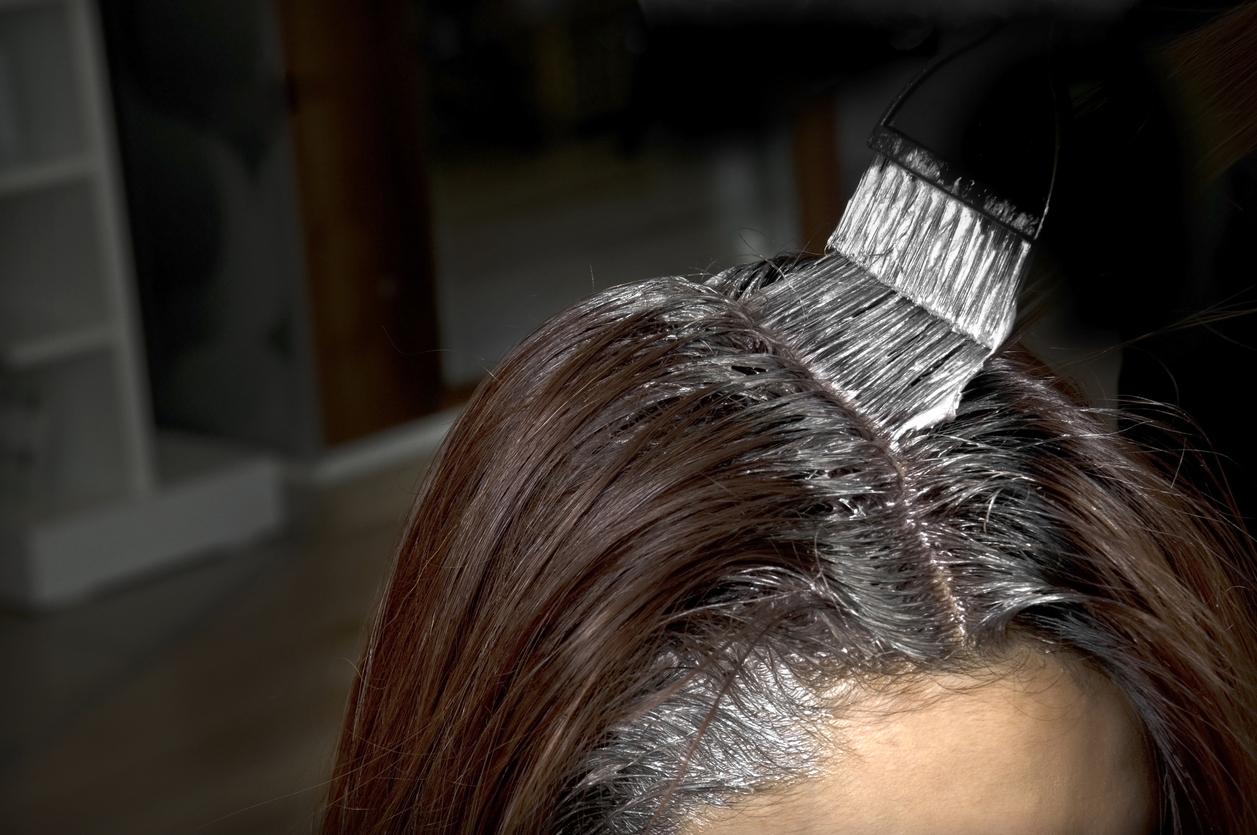
For many, a trip to the hair salon or the application of a home dye kit is a routine beauty ritual. However, a recent alert from France’s national health agency, Anses, suggests that these common products may carry hidden health dangers that extend far beyond simple skin irritation.
The agency has issued a warning regarding the side effects of hair coloring and bleaching products, highlighting the risk of serious allergic reactions and cutaneous irritations. According to the health authority, the danger lies in specific chemical compounds used for their oxidizing properties, which can impact both the professionals applying the products and the consumers receiving the treatments.
The primary concern centers on hair coloring risks associated with persulfates—specifically ammonium, potassium, and sodium persulfates. These substances are commonly found in bleaching products and can be presented in various forms, including powders to be mixed with liquids, granules, or ready-to-use creams and liquids. Exposure typically occurs during the preparation, application, and rinsing phases through both respiratory and skin pathways.
These chemicals are not benign; they are classified as respiratory and skin sensitizers under the European Union’s CLP (Classification, Labelling and Packaging) regulation. The implications are significant: these substances are identified as the second leading cause of professional asthma related to chemical exposure, trailing only quaternary ammoniums according to Anses.
The Impact on Professionals and Consumers
While the general public is at risk, those working in the beauty industry face the highest level of exposure. In France, more than 1,000 cases of pathologies have been recorded among hairdressers as reported by the health agency. These professionals are frequently exposed to the volatile components of these products throughout their workday, increasing the likelihood of developing chronic sensitivities.

However, the risks are not confined to the salon. Consumers using these products at home or visiting a professional are equally susceptible to adverse reactions. The data is striking: approximately 40% of consumers have reported experiencing adverse effects after using these products per the Anses study. These reactions can range from mild to life-threatening.
Recognizing the Symptoms
The reactions caused by persulfates are often severe and can manifest in several ways:
- Cutaneous Reactions: These include skin irritations and dermatitis, which can cause inflammation and itching.
- Respiratory Distress: Exposure can lead to a swollen throat, difficulties breathing, and the development of asthma.
- Systemic Shock: In the most severe instances, exposure can trigger anaphylactic shock, a medical emergency requiring immediate intervention.
Understanding Allergic Reactions vs. Intolerances
It is critical for consumers to understand the nature of these reactions to seek the correct medical treatment. Not all adverse responses to a product are the same. A true allergic reaction is always immunological in nature, meaning the body’s immune system overreacts to a specific substance as detailed by health guidelines.
This differs fundamentally from food intolerances, which may be caused by enzymatic deficiencies, or pseudo-allergic reactions, which may mimic an allergy but do not involve the same immunological mechanism. Because persulfates act as sensitizers, the body can develop into increasingly reactive to them over time, making subsequent exposures more dangerous.
The Role of Allergic Assessment
When a person suspects they have developed a sensitivity to hair dye, a professional allergic assessment (bilan allergologique) is necessary. This process is designed to identify the specific allergen responsible for the reaction. The most common method for this identification is through skin tests, which allow clinicians to observe the body’s reaction to controlled amounts of suspected allergens according to ameli.fr.
Safety Recommendations and Mitigation
In response to these findings, Anses has recommended a restriction on the use of persulfates in hair products to protect public health. For those who continue to use these products, the agency emphasizes the absolute necessity of following the product’s instructions for use precisely. Strict adherence to the manufacturer’s guidelines can facilitate minimize unnecessary exposure and reduce the risk of acute reactions.
For professionals, improving ventilation in salons and using protective equipment during the mixing and application of powders can mitigate the respiratory risks associated with these chemical sensitizers.
| Risk Factor | Impacted Group | Potential Health Outcome |
|---|---|---|
| Respiratory Exposure | Hairdressers & Consumers | Professional asthma, swollen throat |
| Cutaneous Exposure | Hairdressers & Consumers | Dermatitis, severe skin irritation |
| Systemic Reaction | Sensitized Individuals | Anaphylactic shock |
As regulatory bodies continue to evaluate the safety of common cosmetic chemicals, the focus remains on reducing the prevalence of these sensitizers in consumer goods. The current guidance from health authorities serves as a critical reminder that beauty routines should not come at the expense of respiratory or dermatological health.
The next phase of safety management involves the continued monitoring of these substances and the potential implementation of stricter restrictions on persulfates within the EU framework to prevent further cases of occupational asthma and consumer injury.
Do you have experience with hair dye sensitivities or questions about salon safety? Share your thoughts in the comments below or share this article with others who may be affected.