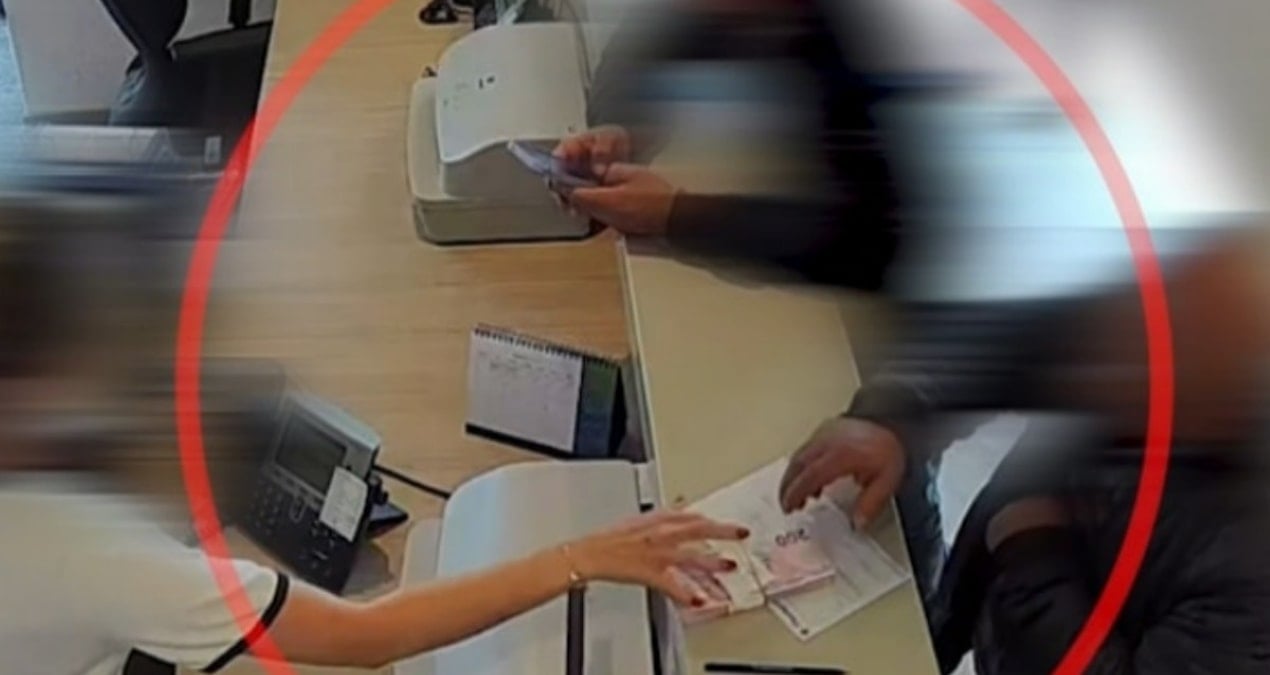
Turkish law enforcement has dismantled an organized fraud ring operating out of Batman, which utilized a sophisticated social engineering scheme to steal 1.8 million Turkish Lira (TL) from unsuspecting citizens. The operation, led by the Anti-Smuggling and Organized Crime Department (KOM), resulted in the arrest of five individuals who specialized in impersonating bank officials to deceive their victims T24.
The syndicate employed a specific psychological lure, contacting targets with the promise of health insurance refunds
. By posing as authorized bank employees, the fraudsters convinced victims that they were eligible for significant payouts, subsequently manipulating them into transferring funds or providing sensitive access to their accounts. This method allowed the group to siphon a total of 1.8 million TL before their activities were flagged by authorities Sabah.
The crackdown highlights a growing trend in regional financial crime where perpetrators leverage the perceived authority of financial institutions and the allure of government-linked refunds to bypass the skepticism of their targets. The investigation culminated in a series of coordinated raids in Batman, where the five primary suspects were apprehended and subsequently remanded in custody.
The Anatomy of the Health Insurance Refund Scam
The fraud operation relied on a technique known as social engineering, where trust is established through the impersonation of a trusted entity. In this instance, the perpetrators targeted individuals by claiming that a health insurance overpayment or refund was pending. Because health insurance is a critical and often complex service, victims were more likely to believe the claims of a bank representative
assisting them in recovering their money.
Once the victims were engaged, the fraudsters used a combination of urgency and professional jargon to guide them through the process of securing
the refund. This typically involved requesting the victims to move money to “safe” accounts or providing digital credentials that gave the criminals direct access to the victims’ savings. This systemic deception allowed the ring to accumulate 1.8 million TL across multiple victims NTV Haber.
Law enforcement officials noted that the group’s ability to mimic bank protocols made the scam particularly effective. The precision of the fraud suggests a level of organization that extends beyond simple phishing, involving a coordinated effort to manage victims and launder the stolen funds through various accounts.
Law Enforcement Intervention and Evidence
The investigation was spearheaded by the Anti-Smuggling and Organized Crime Department (KOM), which tracked the financial trail of the stolen 1.8 million TL. A critical breakthrough occurred when investigators analyzed security footage from various banking institutions. The suspects were captured on camera even as withdrawing the stolen funds, providing the definitive physical evidence needed to link the individuals to the digital fraud NTV Haber.
Following the analysis of the CCTV footage and digital forensics, the KOM unit executed synchronized raids in Batman. During these operations, police detained five suspects. Following their interrogation and the presentation of evidence to the court, all five individuals were formally arrested and sent to prison memurlar.net.
The leverage of security camera footage was pivotal in this case, as it bridged the gap between the anonymous phone calls used to defraud victims and the actual individuals benefiting from the theft. This operational success underscores the importance of integrated surveillance and financial tracking in combating organized crime in Turkey.
Identifying Red Flags in Financial Communications
The Batman operation serves as a stark reminder of the vulnerabilities inherent in digital banking and phone-based communications. Experts in financial security emphasize that legitimate banks and government agencies almost never request sensitive passwords or inquire customers to transfer money to a third-party account to facilitate
a refund.
To protect against similar health insurance refund scams, citizens are advised to look for the following warning signs:
- Unsolicited Contact: Be wary of any phone call or message from someone claiming to be a bank official regarding a refund you did not apply for.
- Pressure Tactics: Fraudsters often create a sense of urgency, claiming the refund will “expire” if action is not taken immediately.
- Requests for Credentials: No legitimate bank employee will ask for your online banking password, SMS verification codes, or PINs over the phone.
- Third-Party Transfers: Be extremely suspicious of requests to transfer money to a different account to “verify” your identity or “unlock” a payment.
If a person receives such a call, the safest course of action is to hang up immediately and contact their bank through the official phone number listed on the back of their debit card or the bank’s verified website.
The Broader Impact of Organized Financial Fraud
The theft of 1.8 million TL represents more than just a financial loss; it reflects the psychological toll on victims who lose their life savings to calculated deception. Organized crime rings in Turkey have increasingly shifted toward these “low-risk, high-reward” digital scams, which can be operated from a single location—like the cell in Batman—while targeting victims across the country.
The KOM unit’s success in this case is part of a wider effort by Turkish authorities to modernize the fight against cyber-enabled fraud. By focusing on the intersection of digital footprints and physical evidence (such as ATM footage), law enforcement is becoming more adept at dismantling the infrastructure of these fraud rings rather than just arresting low-level “money mules.”
Key Case Summary
| Detail | Verified Information |
|---|---|
| Total Amount Stolen | 1.8 million TL |
| Primary Method | Health insurance refund impersonation |
| Number of Arrests | 5 individuals |
| Operational Center | Batman, Turkey |
| Lead Agency | Anti-Smuggling and Organized Crime Department (KOM) |
The five suspects now face charges related to qualified fraud and the formation of a criminal organization. Their first court appearances are expected to establish the full scale of the operation and whether additional accomplices were involved in the money-laundering phase of the scheme.
World Today Journal will continue to monitor the legal proceedings of this case as it moves through the Turkish judicial system. Readers are encouraged to share this report to help others recognize the signs of health insurance refund scams.
- South Korean Court Sentences Yoon Suk Yeol to Prison Term with Probation Over False Statements
- To Kill a Mockingbird DVD – Starring Gregory Peck (NTSC)
- The Relationship Between Vaping and Health: Separating Fact from Alarmist Headlines (world-today-news.com)
- Four Dead Including Baby in A38 Derby Crash; Driver Arrested (time.news)