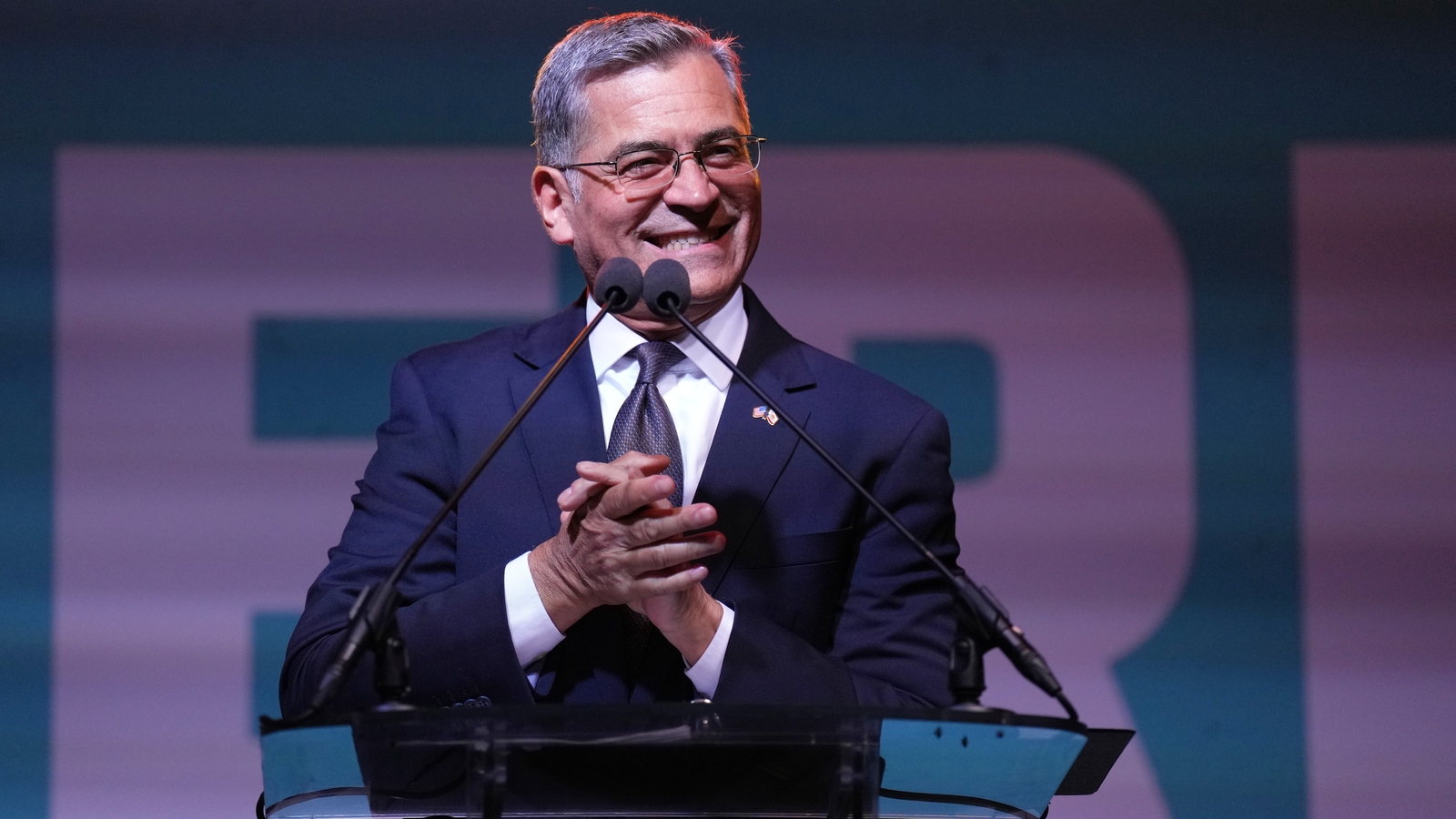
As the electoral landscape in California continues to evolve, the primary race for the state’s executive leadership has drawn significant public attention. Xavier Becerra, who previously served as the United States Secretary of Health and Human Services, has emerged as a central figure in the ongoing political discourse. His transition into this phase of the gubernatorial election process marks a critical juncture for voters assessing his extensive record in both federal and state-level administration.
The path forward for any candidate in California’s unique electoral system requires navigating a complex set of policy expectations and public scrutiny. For Becerra, whose career spans his tenure as the Attorney General of California and his high-profile role within the federal executive branch, the current campaign serves as a referendum on his past administrative decisions. As the electoral process moves toward the general election, voters are weighing these historical responsibilities against the state’s pressing contemporary needs.
Evaluating a Tenure in Federal Health Policy
Xavier Becerra’s tenure as the 25th Secretary of Health and Human Services (HHS) was defined by his oversight of the nation’s public health response to the COVID-19 pandemic. According to the official archives of the U.S. Department of Health and Human Services, his leadership period involved managing the distribution of medical countermeasures and coordinating federal health guidance during a period of unprecedented national crisis. This role, by its nature, placed him at the center of intense national debates regarding vaccine mandates, masking protocols and the balance between federal authority and state-level autonomy.
During the current campaign, these policy decisions have become focal points for political opponents. Critics frequently cite the logistical challenges encountered during the pandemic—ranging from supply chain disruptions to the implementation of federal health emergency protocols—as areas where they believe executive leadership was tested. These critiques are not merely rhetorical; they form the basis of the opposition’s argument against his candidacy, as they question the effectiveness of the administrative strategies employed during his time in Washington, D.C.
The Humanitarian Challenge at the Border
Beyond public health, the management of the influx of unaccompanied minors at the U.S.-Mexico border became a defining issue during Becerra’s time at HHS. The Office of Refugee Resettlement (ORR), which falls under the purview of HHS, is legally tasked with the care and custody of these children. Official data provided by the Administration for Children and Families clarifies that the agency is responsible for transitioning minors from border facilities to the care of sponsors or family members in the United States.
The sheer scale of arrivals during 2021 and 2022 placed immense pressure on the department’s resources. Critics during the campaign have highlighted concerns regarding the speed of processing and the conditions within emergency intake sites. These logistical hurdles have been characterized by political rivals as a failure of oversight, though proponents of his administration argue that the department was operating under extreme constraints caused by a surge in migration that overwhelmed existing infrastructure. Understanding the statutory obligations of the ORR is essential for voters attempting to distinguish between systemic policy challenges and individual administrative responsibility.
Key Takeaways for California Voters
- Policy Record: Becerra’s primary platform is built on his experience as both California Attorney General, and U.S. Secretary of Health and Human Services.
- Health Oversight: His role during the COVID-19 pandemic remains a central theme, with opponents focusing on the efficacy of federal health mandates and emergency management.
- Migration Management: The federal government’s response to unaccompanied minors remains a significant point of contention, with debates centering on the capacity and management of the Office of Refugee Resettlement.
- The Electoral Path: As the state moves toward the general election, the focus is shifting from primary internal party dynamics to broader statewide issues including housing, the economy, and healthcare access.
Looking Ahead: The General Election
As the electoral process advances, the focus will inevitably shift toward the general election, where the candidate’s ability to appeal to a broader, more diverse electorate will be tested. The upcoming months will likely see an increase in policy debates, with candidates expected to release detailed plans regarding California’s specific economic and social challenges. Voters are encouraged to consult the California Secretary of State’s official election portal for verified information regarding registration deadlines, polling locations, and candidate filings.
The outcome of this race will have significant implications for the future of California’s policy direction. Whether voters prioritize experience in federal administration or seek a different approach to governance, the ongoing election cycle serves as a critical period for civic engagement. We invite our readers to share their perspectives on the upcoming election in the comments section below, as we continue to track developments in this high-stakes contest.