
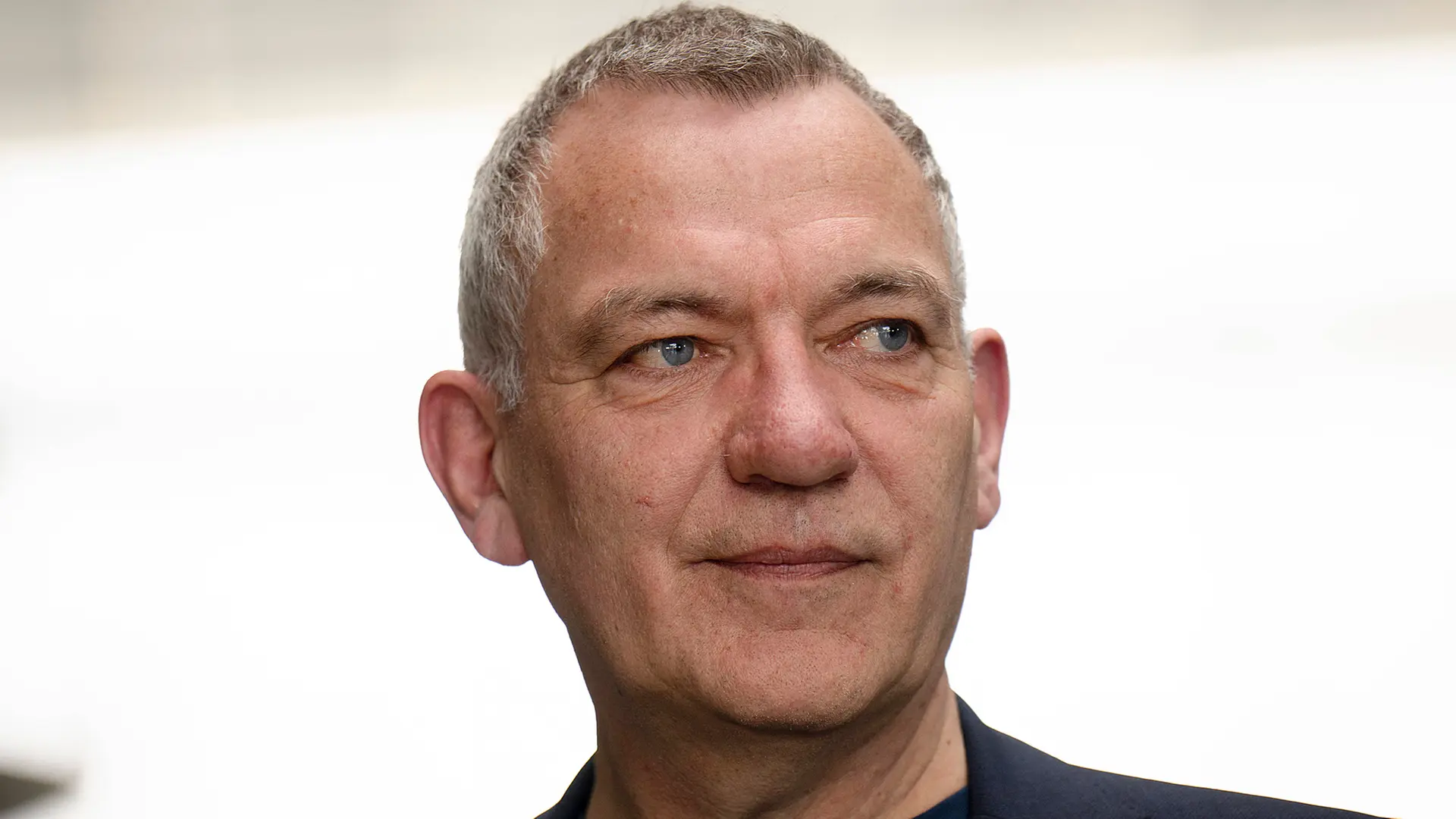
Jan van Aken, the Co-Chair of Germany’s Left Party (Die Linke), has announced that he will step down from his leadership position, citing health reasons. The 64-year-old politician confirmed he will not seek re-election as party leader and will officially vacate the office during the party congress scheduled for June.
While the announcement marks a significant shift in the party’s leadership structure, van Aken clarified that his condition is not life-threatening. Yet, he emphasized the necessity of prioritizing his well-being, stating, “For health reasons, I must resign from my office in June. In the coming period, I will have to take more care of my health.”
Despite stepping away from the party’s executive leadership, van Aken will not be leaving politics entirely. He intends to retain his mandate as a member of the Bundestag for the remainder of the current legislative period and has expressed his commitment to continuing his service to the party in this capacity.
As a physician and health journalist, I have frequently observed the intersection of high-pressure professional roles and personal wellness. In the sphere of national politics, where the demands of leadership often collide with physical and mental limits, van Aken’s decision reflects a critical realization: the necessity of stepping back to ensure long-term recovery and health stability before a condition escalates.
Balancing Political Leadership and Personal Health
The decision to resign from a leadership post due to health concerns is often a challenging transition for public figures. Van Aken admitted that the step was not part of his original plan, noting, “This step is very difficult for me because I had always planned it differently.” This sentiment is common among leaders who view their professional identity and their contribution to their cause as inseparable from their daily activity.

From a public health perspective, the distinction van Aken makes—that his illness is not life-threatening yet requires a reduction in stress—is an important one. It highlights the reality of chronic health management or recovery processes that, while not immediately fatal, are incompatible with the grueling schedule of a party leader. The role of a party chair involves constant travel, public speaking, and high-stakes negotiation, all of which can impede the recovery process or exacerbate existing health issues.
Van Aken’s approach of maintaining his parliamentary mandate while resigning from the party leadership allows for a “staged” withdrawal. By remaining a member of the Bundestag, he can continue to contribute to policy and legislation without the administrative and organizational burdens of managing the entire party apparatus.
Die Linke’s Recovery and the Dual Leadership Model
Jan van Aken assumed the role of Co-Chair in October 2024, forming a dual leadership (Doppelspitze) alongside Ines Schwerdtner. At the time of their election, the party was navigating a severe crisis, with polling numbers dipping to between 2 and 3 percent according to reports from Zeit.
Since then, the party has experienced a notable resurgence. In the most recent Bundestag election, Die Linke secured 8.8 percent of the vote. Van Aken attributed this turnaround to the party’s success in championing specific socio-economic issues that resonated with the electorate, specifically:
- The Rent Cap (Mietendeckel): A policy aimed at controlling rising housing costs.
- Wealth Tax (Vermögensteuer): A push for increased taxation on high-net-worth individuals to fund public services.
The growth in membership and the improved electoral performance suggest that the party has found a strategic path forward, even as it prepares to replace one of its top leaders. The dual leadership model was intended to provide stability and shared responsibility, and the party will now need to decide how to fill the vacancy left by van Aken’s departure.
Comparing Political Health Resignations
Van Aken’s situation is not isolated within the current German political landscape. Recently, other high-profile figures have faced similar health-related challenges. For instance, Kevin Kühnert, the former SPD General Secretary, also stepped down from his leadership role and declined to run for another term as a member of the Bundestag, citing a lack of health and strength for the demands of an election campaign.
However, a key difference exists in how these mandates are handled. While van Aken is stepping down from leadership but staying in the Bundestag, Kühnert’s situation involved a period of medical leave (Krankschreibung) while still holding his seat for the current legislative period. These cases collectively underscore a growing trend of political figures being more transparent about their health limitations and the physical toll of high-office politics.
Key Takeaways: Jan van Aken’s Resignation
| Detail | Status/Information |
|---|---|
| Reason for Resignation | Health reasons (non-life-threatening) |
| Effective Date | Party Congress in June |
| Future Role | Retains Bundestag mandate until end of legislative period |
| Party Performance | Increased from 2-3% polls to 8.8% in Bundestag election |
| Leadership Partner | Ines Schwerdtner |
What Happens Next for Die Linke?
The immediate focus for the Linkspartei will be the party congress in June, where van Aken will officially step down. The party will need to determine if they will maintain the dual leadership structure by electing a new Co-Chair to work alongside Ines Schwerdtner or if they will move toward a different organizational model.

For van Aken, the priority shifts toward health recovery. As he noted, the coming months will be dedicated to focusing on his well-being, though he remains available to the party in his capacity as a parliamentarian.
The next confirmed checkpoint for the party’s leadership transition is the party congress in June, where the official resignation will take place and the party will address the future of its executive leadership.
Do you think political leaders should be more transparent about their health struggles to set a precedent for work-life balance? Share your thoughts in the comments below.