The Aging Code: How a Newly Discovered Molecule Could Hold the Key to Healthy longevity
Are you concerned about the visible and invisible effects of aging? We often focus on wrinkles and gray hair,but what if the key to slowing down the aging process lies within our metabolism and a surprising molecule circulating in our bloodstream? Groundbreaking research is revealing a systemic connection to aging,and it centers around a molecule called CtBP2. This isn’t just about looking younger; it’s about living healthier, for longer.
The Systemic Nature of Aging: It’s Not Just About Wrinkles
For years,aging was often viewed as a collection of isolated issues – failing eyesight,weakening bones,declining cardiovascular health.However, a growing body of evidence suggests a far more interconnected process. Aging isn’t happening to individual parts; it’s happening throughout the body, in a coordinated cascade. Changes we see on the surface – wrinkles, thinning hair - often reflect deeper, more basic shifts occurring within our organs and metabolic systems.
This holistic view of aging is crucial as it suggests that addressing one aspect of decline could perhaps impact others. And that’s where CtBP2 comes in.
CtBP2: The Metabolic Maestro and Its Role in Aging
Researchers at the University of Tsukuba in Japan have been investigating the intricate link between obesity and metabolism, and their work has brought CtBP2 into the spotlight. Initially studied for its role in metabolic changes, CtBP2 functions as a crucial sensor, responding to the body’s energy balance. Previous studies showed that reduced CtBP2 activity is linked to obesity and metabolic syndrome – a cluster of conditions that increase the risk of heart disease, stroke, and type 2 diabetes. https://www.mayoclinic.org/diseases-conditions/metabolic-syndrome/symptoms-causes/syc-20351962
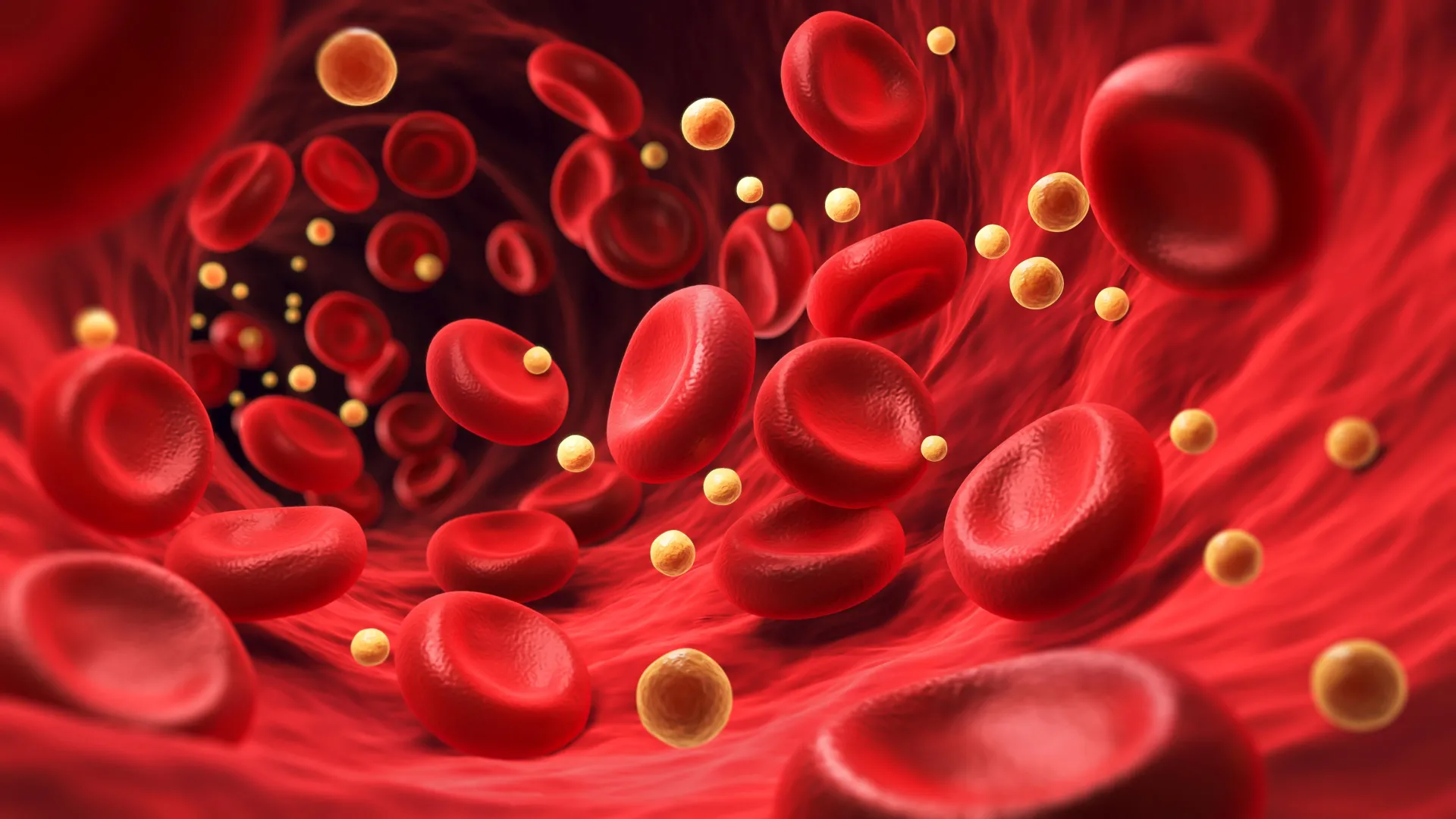
But the recent revelation goes far beyond its role in obesity. The Tsukuba team unearthed a surprising characteristic of CtBP2: it’s not confined to the inside of cells. When activated, CtBP2 is released into the bloodstream, acting as a systemic regulator of metabolism.
Hear’s the key takeaway: Active CtBP2 circulating in the blood helps maintain a healthy metabolism throughout the body. When its activity is disrupted, it appears to trigger a cascade of events that accelerate aging and increase susceptibility to age-related diseases. This reinforces the idea that aging is a coordinated, body-wide process.
The Blood Holds Clues: CtBP2 as a Biomarker for Aging
To further understand CtBP2’s role, the researchers developed a method to accurately measure its levels in blood samples. The results were compelling. They observed a consistent decline in CtBP2 levels with increasing age. However, individuals from families with a history of longevity consistently exhibited higher concentrations of CtBP2 in their blood.
Conversely, individuals with advanced diabetes complications showed considerably lower levels. This suggests that CtBP2 isn’t just correlated with aging and health; it might potentially be a crucial indicator – a biomarker – of both biological age and overall health status.
What does this mean for you? In the future, a simple blood test measuring CtBP2 levels could potentially provide a personalized assessment of your aging status and risk for age-related diseases.
The Future of Healthy Aging: Boosting CtBP2 for Longevity
The implications of this research are profound. If CtBP2 truly is a central regulator of aging, finding ways to safely boost its secretion into the bloodstream could offer a powerful strategy for slowing age-related decline and improving overall well-being.
Researchers are now exploring potential interventions to enhance CtBP2 activity. While still in its early stages, this line of inquiry could lead to:
* Personalized health strategies: Tailored interventions based on an individual’s CtBP2 levels.
* Novel therapies: Drugs or lifestyle modifications designed to stimulate CtBP2 production and secretion.
* Early detection of age-related risk: Identifying individuals at higher risk of developing age-related diseases based on their CtBP2 levels.
This research, funded by organizations like the Japan Promotion of Science and the Japan Agency for Medical Research and Development (AMED), represents a critically important step forward in our understanding of the aging process. https://www.amed.go.jp/en/
**Are you ready to take a proactive approach to your health and longevity?