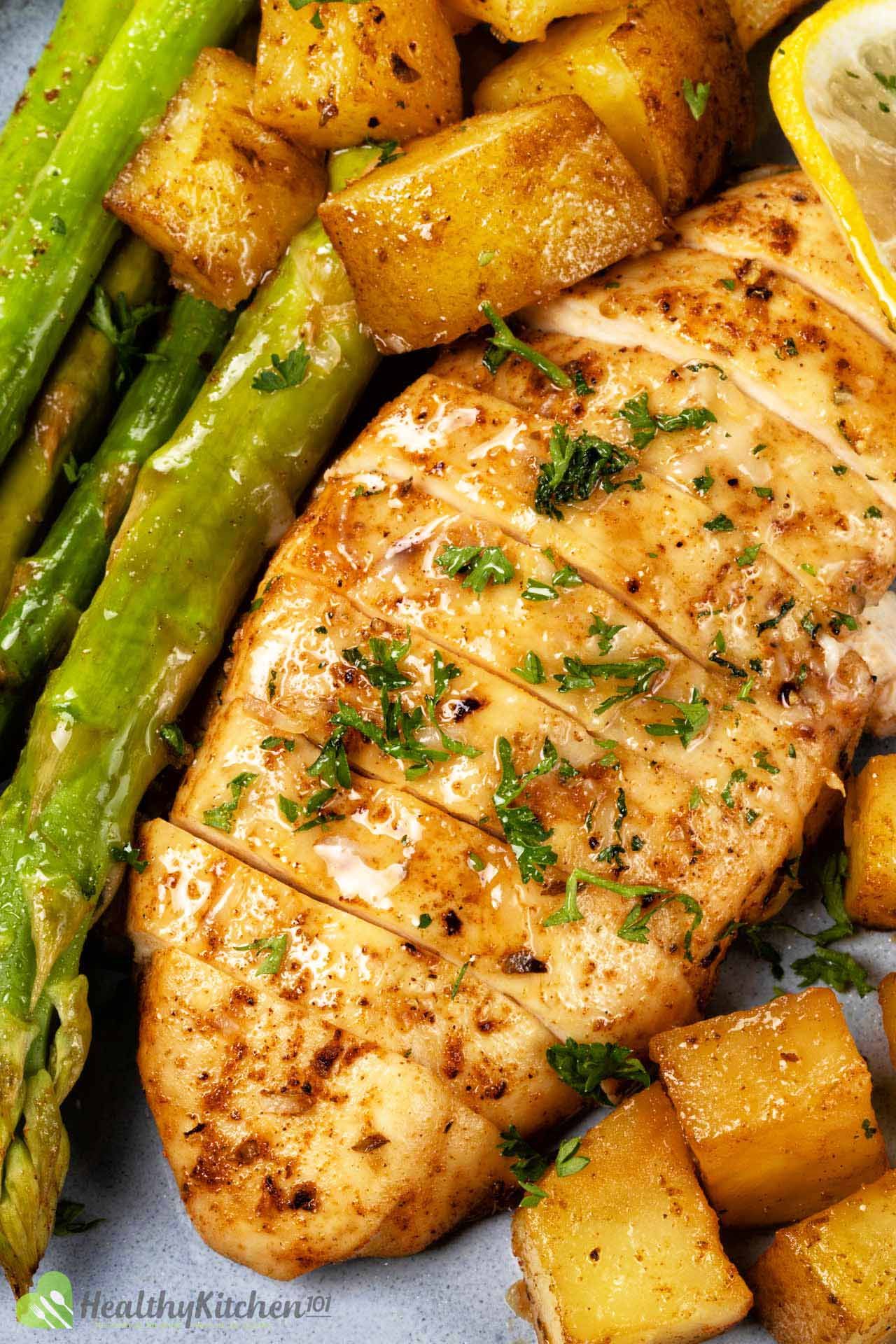
Achieving satiety while adhering to a calorie-restricted diet often hinges on protein density and preparation methods. Managing caloric intake—specifically targeting low-calorie, high-satiety meals—is a primary objective for those seeking weight management through nutritional adjustments. According to the U.S. Department of Agriculture (USDA) FoodData Central, a standard 100-gram serving of skinless, boneless chicken breast contains approximately 165 calories, providing a lean foundation for energy-dense yet low-calorie culinary applications. By adjusting cooking techniques and seasoning profiles, individuals can replicate the texture and satisfaction of fattier cuts, such as chicken thigh, while maintaining a significant deficit.
The following YouTube video demonstrates a preparation method focused on these nutritional goals:
Understanding Protein Density and Satiety
Satiety, the feeling of fullness after eating, is significantly influenced by the macronutrient composition of a meal. Protein has been shown to have a higher thermic effect and greater satiating power compared to carbohydrates or fats, as noted in research published by the American Journal of Clinical Nutrition. When preparing chicken breast as a weight-loss meal, the challenge is preventing the meat from becoming dry, which often occurs due to its lower fat content compared to chicken thighs.

To improve texture without adding excessive calories, culinary techniques such as brining or utilizing specific cooking temperatures are recommended. The National Chicken Council suggests that chicken should be cooked to an internal temperature of 165°F (74°C) to ensure safety while maintaining moisture. Exceeding this temperature frequently results in the loss of intramuscular water, contributing to the perception of “dryness” often associated with breast meat.
Techniques for Maximizing Flavor in Lean Recipes
Flavor profile development is essential for long-term adherence to a restricted diet. Using herbs, spices, and acid-based marinades allows for significant flavor enhancement without contributing to the caloric total. According to the Mayo Clinic, replacing high-sodium seasonings with fresh herbs, citrus juices, and garlic can improve palatability while supporting heart health.

When preparing chicken breast to mimic the succulent texture of thigh meat, consider these evidence-based adjustments:
- Acidic Marinades: Utilizing vinegar or citrus juice can help tenderize muscle fibers before cooking.
- Controlled Heat: Lower, consistent cooking temperatures prevent the rapid contraction of proteins that squeezes out moisture.
- Resting Period: Allowing the cooked protein to rest for three to five minutes redistributes juices throughout the meat, a standard practice recommended by professional culinary institutes to improve mouthfeel.
Nutritional Considerations for Calorie-Restricted Diets
While chicken breast is a staple in many weight-loss regimens, nutritionists emphasize the importance of a balanced intake. The Dietary Guidelines for Americans advise that protein should be accompanied by a variety of vegetables to ensure adequate fiber and micronutrient intake. Fiber, in particular, works synergistically with protein to promote a prolonged feeling of fullness, which can assist in regulating overall daily caloric consumption.
Individuals tracking their intake for weight loss should account for cooking oils and sauces, which are often the primary sources of “hidden” calories. Utilizing non-stick cookware or parchment paper for baking can reduce the need for added fats, keeping the meal closer to the base caloric value of the protein source. For those monitoring specific targets, utilizing a digital kitchen scale provides the most accurate measurement of portion sizes compared to volumetric estimations.
Next Steps for Nutritional Planning
The next official update regarding dietary guidelines is expected from the U.S. Department of Health and Human Services (HHS) and the USDA as they prepare the 2025-2030 Dietary Guidelines for Americans. For those interested in tracking their progress or exploring further nutritional science, the MyPlate resource provided by the USDA offers tools for balanced meal planning. Readers are encouraged to consult with a registered dietitian or a primary care physician before making significant changes to their dietary habits or caloric intake. Please share your experiences with lean protein preparation in the comments section below.
