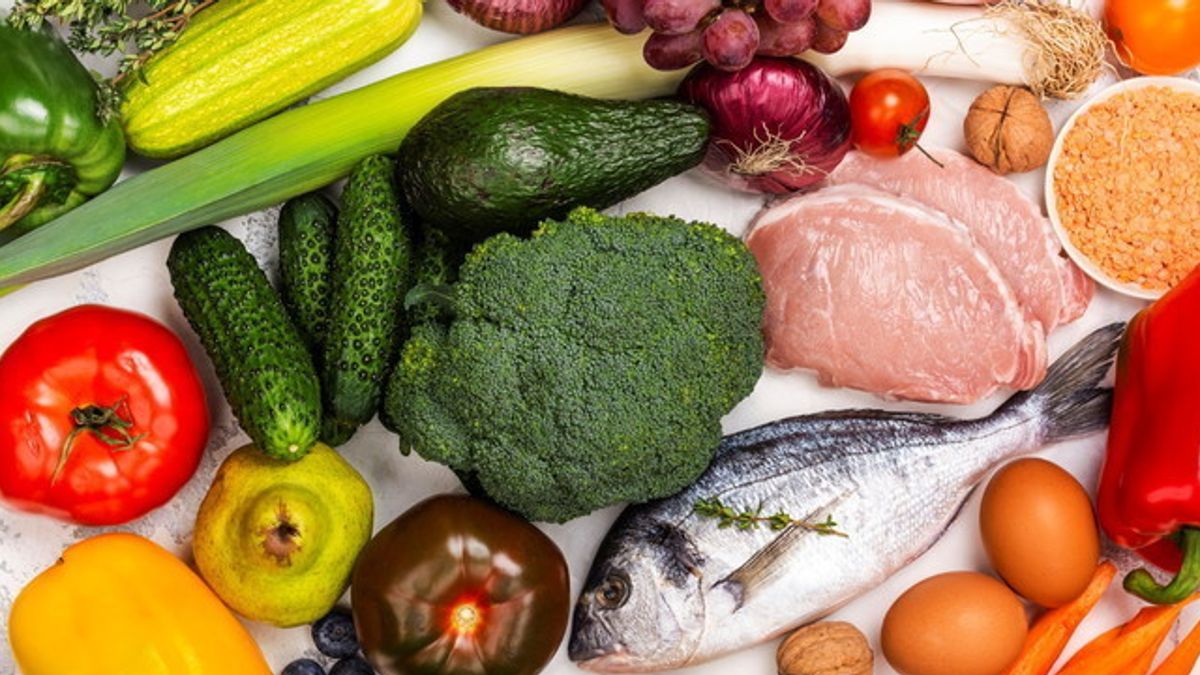
Mediterranean Diet Linked to Increased Longevity, Study Finds
Berlin, Germany – February 18, 2026 – A growing body of evidence continues to highlight the profound impact of diet on lifespan, with a new study reinforcing the benefits of the Mediterranean diet. Researchers have found that adherence to this dietary pattern, rich in fruits, vegetables and whole grains, can add years to one’s life, with the greatest gains seen among those who prioritize plant-based foods. The findings, published in the journal Science Advances, analyzed data from over 100,000 individuals in the United Kingdom, offering compelling insights into the relationship between nutrition and longevity.
The Mediterranean diet, characterized by its emphasis on healthy fats, fish, and vegetables, has long been lauded for its health benefits. This latest research builds upon that understanding, quantifying the potential lifespan extension associated with consistent adherence. Beyond simply adopting the diet, the study suggests that maximizing consumption of specific food groups – particularly whole grains, fruits, and vegetables – can yield even more significant results, potentially adding over four years to life expectancy. This research adds to a growing consensus that dietary choices are not merely about preventing disease, but actively promoting a longer, healthier life.
The Biobank Study: A Deep Dive into Dietary Habits and Lifespan
The study, led by Yanling Lv of the Huazhong University of Science and Technology in China, utilized data from the UK Biobank, a large-scale biomedical database containing genetic and health information from half a million UK residents. Researchers monitored participants for just over a decade, regularly collecting data on their dietary habits. Each participant received a score based on how closely their meals aligned with five different healthy dietary patterns: the Mediterranean diet, a diet designed to reduce the risk of diabetes, the Dietary Approaches to Stop Hypertension (DASH) diet, a plant-based diet, and the Alternative Healthy Eating Index (AHEI).
The AHEI, developed to prevent chronic diseases, emphasizes fruits, vegetables, whole grains, nuts, legumes, healthy fats, and limits red and processed meats, sugary drinks, and refined grains. Researchers as well analyzed the participants’ DNA, examining 19 genetic variants associated with longevity. Over the course of the study, 4,314 deaths occurred. By analyzing this data alongside genetic risk factors, the team estimated the potential lifespan extension achievable through adherence to each of the five healthy diets.
Dietary Patterns and Lifespan Extension: What the Data Reveals
The results indicated varying degrees of lifespan extension depending on the dietary pattern followed. Men who adhered to the diet for reducing diabetes risk gained an estimated three years of life, although women experienced a 1.7-year increase. But, the Mediterranean diet proved particularly beneficial, offering a 2.2-year lifespan extension for men and 2.3 years for women. These findings underscore the importance of dietary choices in influencing longevity, and highlight the potential for personalized nutrition strategies based on individual genetic predispositions.
The study also revealed that certain foods were more strongly associated with increased lifespan than others. Whole grains, fruits, and vegetables consistently emerged as key contributors to longevity. This aligns with existing research demonstrating the protective effects of these foods against chronic diseases such as heart disease, cancer, and type 2 diabetes. The benefits are likely due to the high concentration of vitamins, minerals, fiber, and antioxidants found in these plant-based foods.
Beyond the Mediterranean Diet: Other Healthy Eating Approaches
While the Mediterranean diet showed significant benefits, the study also highlighted the positive impact of other healthy eating patterns. The DASH diet, designed to combat hypertension, and the plant-based diet also contributed to increased lifespan, albeit to a lesser extent than the Mediterranean diet. This suggests that there isn’t a single “best” diet, but rather a range of healthy eating approaches that can promote longevity. The common thread among these diets is an emphasis on whole, unprocessed foods and a reduction in unhealthy fats, sugars, and sodium.
The Diabetes UK emphasizes the Mediterranean diet as a beneficial option for individuals with diabetes, noting its association with reduced risk of high blood pressure and cholesterol, both risk factors for heart disease. evidence suggests that this dietary pattern can aid in weight loss and improve blood glucose management in people with type 2 diabetes. The diet typically includes plenty of fruits and vegetables, beans and pulses, nuts and seeds, whole grains, and olive oil, alongside moderate amounts of dairy, lean protein, and, occasionally, wine.
The Role of Genetics and the Future of Personalized Nutrition
The researchers also considered the role of genetics in longevity, analyzing 19 genetic variants known to be associated with lifespan. While genetics undoubtedly play a role, the study emphasized that dietary choices can significantly modify the impact of genetic predispositions. This suggests that even individuals with a genetic predisposition to a shorter lifespan can potentially extend their lives through healthy eating habits.
Further research is needed to fully understand the complex interplay between genetics, diet, and longevity. However, this study provides compelling evidence that dietary choices are a powerful tool for promoting a longer, healthier life. The growing field of nutrigenomics, which explores the interaction between genes and nutrients, holds promise for developing personalized nutrition strategies tailored to individual genetic profiles. A study conducted by the University of Rome Tor Vergata found that a biological Mediterranean diet reduces the risks of cardiovascular diseases, diabetes, and tumors, thanks to its immunomodulatory and detoxifying effects.
Key Takeaways
- Adherence to the Mediterranean diet is associated with a potential lifespan extension of over two years for both men and women.
- Prioritizing whole grains, fruits, and vegetables within the Mediterranean diet can increase lifespan extension to over four years.
- Other healthy dietary patterns, such as those designed to reduce diabetes risk and hypertension, also contribute to increased longevity.
- Genetic factors play a role in lifespan, but dietary choices can significantly modify their impact.
- Personalized nutrition strategies, based on individual genetic profiles, hold promise for maximizing lifespan and healthspan.
As research continues to unravel the complexities of nutrition and longevity, one message remains clear: prioritizing a healthy, balanced diet is one of the most impactful steps individuals can accept to improve their overall health and potentially extend their lives. Future studies will focus on refining these dietary recommendations and developing personalized nutrition plans to optimize health outcomes for individuals across diverse populations.
The researchers plan to continue monitoring the participants in the UK Biobank, tracking their dietary habits and health outcomes over the coming years. This ongoing research will provide further insights into the long-term effects of different dietary patterns on lifespan and disease risk. Stay tuned to World Today Journal for updates on this evolving field of research.
What are your thoughts on the link between diet and longevity? Share your comments below, and don’t forget to share this article with your friends and family.
Related reading