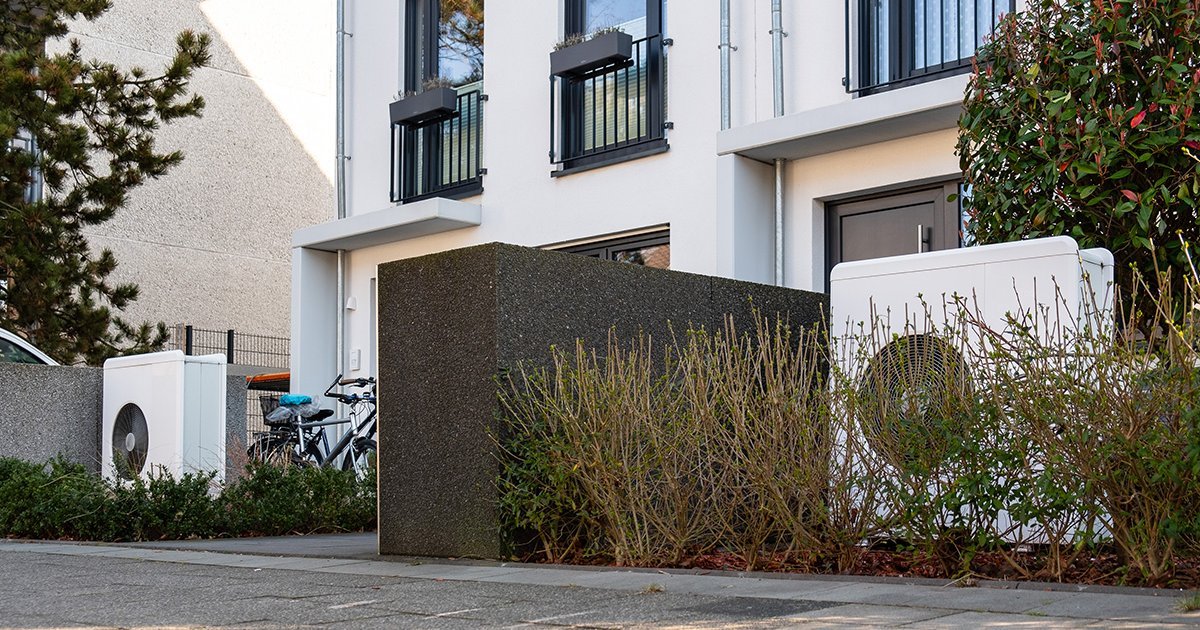
Heat Pumps Surge in Popularity: A Growing Trend Transforming Home Heating
The shift towards sustainable heating solutions is gaining momentum, with heat pumps rapidly becoming the preferred choice for homeowners, particularly in new construction. Driven by rising energy costs, increasing environmental awareness, and evolving regulations, the adoption of heat pump technology is no longer a niche trend but a significant transformation in the heating landscape. While gas and oil historically dominated the market, heat pumps are quickly establishing themselves as the new normal, especially in residential buildings. This transition isn’t uniform, however, with notable regional variations and challenges remaining, particularly in urban areas.
Recent data reveals a dramatic increase in heat pump installations, particularly in Europe. In Germany, for example, heat pumps now account for the majority of new heating systems. According to data analyzed from 2024, approximately 69% of all new residential buildings in Germany were equipped with heat pumps, making it the most frequently installed heating solution. Viessmann Climate Solutions reports that this represents around 47,000 new buildings utilizing air-to-water or water-to-water heat pumps, with an additional 6,000 employing brine-to-water systems. The air-to-water variant is particularly popular, accounting for 89% of all heat pump installations due to its lower cost and simpler implementation.
The trend is particularly pronounced in smaller towns and rural areas. Data indicates that in cities with populations under 100,000, the share of heat pumps rose from 3% in 2019 to 13% in 2024, making the technology nearly four times more prevalent than in larger metropolitan areas, where the adoption rate stands at 4%. This disparity is largely attributed to the prevalence of single- and two-family homes in smaller communities, which are more easily suited for heat pump installation. Homeowners in these areas also generally have greater decision-making autonomy and more available outdoor space for the necessary equipment.
Regional Disparities and the Rise of Heat Pumps in New Builds
While the overall trend is positive, the adoption of heat pumps varies significantly across regions. In Germany, the proportion of heat pumps installed ranges from 83% in Saxony-Anhalt to 32% in Bremen, highlighting the influence of local policies, climate conditions, and existing infrastructure. Viessmann notes these regional differences are significant, demonstrating that a one-size-fits-all approach to heating solutions is unlikely to be effective.
The impact of heat pumps is most visible in new construction. In 2024, approximately 74% of all newly built single- and two-family homes in Germany were equipped with heat pumps. The Bundesbaugenossenschaft (BBU) reported that this figure represents a substantial increase in the employ of heat pumps as the primary heating energy source. In contrast, gas heating accounted for only 14% of new builds, and oil heating has turn into virtually non-existent, representing just 0.3% of new installations.
The shift is so significant that, according to reports from July 2024, gas heating now accounts for only 5.2% of the primary energy source in newly approved residential buildings. This has led to some debate about whether stricter building regulations, designed to promote energy efficiency and the use of renewable heating sources, are potentially hindering the pace of new housing construction. While there is no legal mandate requiring the installation of heat pumps in new buildings, the debate surrounding the requirements for new heating systems may be contributing to a perceived slowdown in building permits, particularly for affordable housing in urban areas.
Challenges and Opportunities in Urban Environments
Despite the overall growth, the adoption of heat pumps faces challenges in densely populated urban areas. Multi-family buildings, limited space for outdoor units, and the existing infrastructure of district heating networks can all complicate the installation process. Retrofitting older buildings with heat pumps can also be costly and disruptive, requiring significant modifications to existing heating systems and building structures. However, advancements in heat pump technology, such as compact and quieter models, are beginning to address some of these concerns.
The increasing demand for heat pumps is also driving innovation in the industry. Manufacturers are developing more efficient and versatile systems, and installers are gaining expertise in adapting the technology to a wider range of building types. Government incentives and subsidies are playing a crucial role in accelerating the transition, making heat pumps more affordable for homeowners and businesses. The integration of heat pumps with smart home technologies and energy management systems is enhancing their performance and optimizing energy consumption.
The Future of Heating: Decarbonization and Energy Security
The rise of the heat pump is inextricably linked to broader efforts to decarbonize the heating sector and enhance energy security. As countries around the world strive to reduce their reliance on fossil fuels and meet ambitious climate targets, heat pumps offer a viable and sustainable alternative. By harnessing renewable energy sources, such as electricity generated from wind and solar power, heat pumps can significantly reduce greenhouse gas emissions and contribute to a cleaner energy future.
The trend towards electrification of heating is also expected to drive demand for renewable electricity generation. As more homes and businesses switch to heat pumps, the need for a reliable and sustainable electricity supply will become increasingly critical. Investments in renewable energy infrastructure, such as wind farms and solar power plants, will be essential to ensure that the transition to heat pumps is truly sustainable.
The German experience provides a compelling case study for other countries considering similar transitions. The success of heat pumps in new construction demonstrates the potential for rapid adoption when supported by favorable policies and technological advancements. However, addressing the challenges in urban areas and ensuring equitable access to this technology will be crucial for achieving widespread decarbonization of the heating sector.
Key Takeaways:
- Heat pumps are rapidly becoming the dominant heating solution in new residential construction, particularly in Germany, accounting for 69% of new installations in 2024.
- Adoption rates are higher in smaller towns and rural areas due to the prevalence of single- and two-family homes.
- Challenges remain in urban environments, particularly in multi-family buildings and areas with existing district heating networks.
- The transition to heat pumps is driven by a combination of factors, including rising energy costs, environmental concerns, and government policies.
Looking ahead, the continued growth of the heat pump market is expected. The German government is currently reviewing its building regulations to further incentivize the adoption of renewable heating technologies. Further updates on these regulations are anticipated in the coming months. The ongoing development of more efficient and affordable heat pump systems, coupled with supportive policies and increasing consumer awareness, will undoubtedly accelerate the transition towards a more sustainable heating future.
What are your thoughts on the rise of heat pumps? Share your comments below, and let’s continue the conversation.
Keep reading