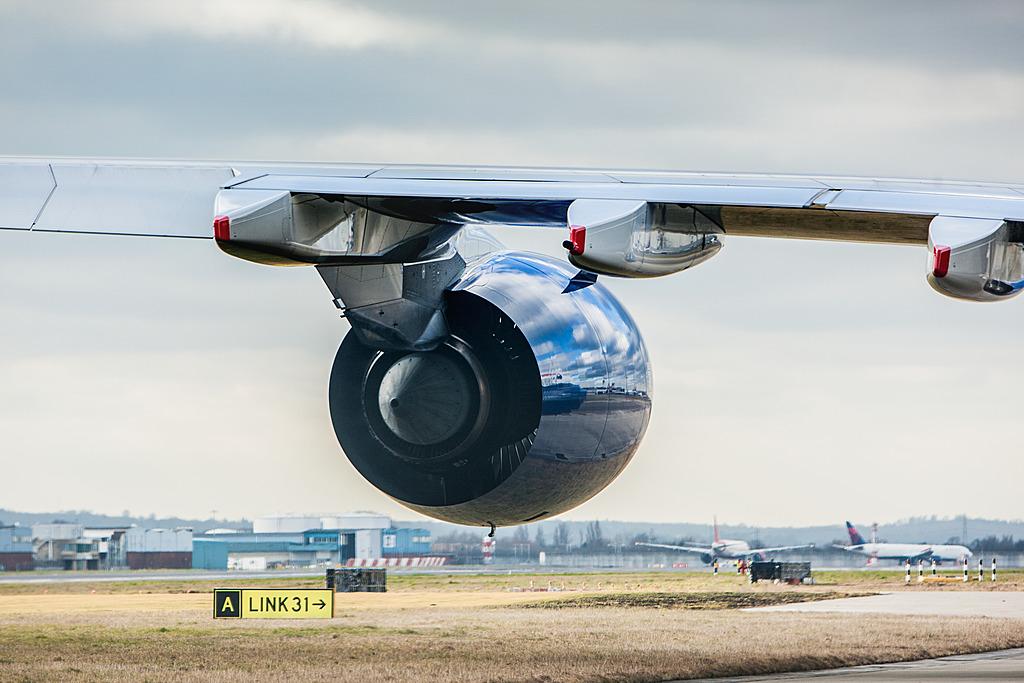
London, United Kingdom – Heathrow Airport is significantly increasing its commitment to sustainable aviation fuel (SAF), raising its 2026 target to 5.6%—a substantial increase from its previous goal of 3% set in January 2025. This move, announced on February 13th, is backed by a £100 million (approximately $127 million USD) incentive scheme designed to accelerate the adoption of SAF by airlines operating at the UK’s busiest airport.
The enhanced financial support aims to bridge the cost gap between SAF and traditional jet fuel, making it more economically viable for airlines to switch to the greener alternative. SAF, typically produced from sustainable sources like waste oils and agricultural residues, offers the potential to reduce lifecycle carbon emissions by up to 70% compared to conventional jet fuel. ESG Journal reports that Heathrow’s initiative is intended to incentivize airlines and ultimately reduce carbon dioxide emissions by 500,000 tonnes annually.
Heathrow’s SAF Incentive Scheme: A Deeper Seem
The £86 million incentive scheme, initially announced in January 2025, has been bolstered with an additional £14 million to reach the new £100 million total. This funding will be distributed to airlines based on their uptake of SAF, effectively halving the price difference between SAF and kerosene. The airport’s strategy is designed to encourage a rapid transition to more sustainable fuels, aligning with both UK government targets and Heathrow’s own ambitious sustainability goals.
The 5.6% SAF target for 2026 translates to approximately 214,000 tonnes of SAF being used at Heathrow, equivalent to the emissions from roughly 800,000 economy class passengers flying between London and New York. According to ESG Journal, Heathrow is also setting its sights on exceeding the UK government’s mandate of 10% SAF usage by 2030, aiming for 11%.
The UK Government’s Role and SAF Mandates
The UK government has been actively promoting the use of SAF through various policies and mandates. In September 2023, the UK government announced a mandate requiring aviation fuel suppliers to ensure that 10% of their fuel is sustainable by 2030. Sustainable Japan highlights the growing momentum behind SAF adoption in the UK, with Heathrow playing a pivotal role in driving this change.
The government’s mandate is part of a broader strategy to decarbonize the aviation sector, which currently accounts for a significant portion of the UK’s carbon emissions. SAF is seen as a crucial component of this strategy, offering a viable pathway to reduce the environmental impact of air travel without requiring significant changes to aircraft technology.
Beyond SAF: Heathrow’s ‘Nature Positive Plan’
Heathrow’s commitment to sustainability extends beyond SAF. The airport recently unveiled its “Nature Positive Plan,” a comprehensive initiative aimed at reducing its impact on the natural environment. This plan focuses on nature-based solutions, enhanced biodiversity management, and support for local ecosystem restoration. The airport is also adopting the recommendations of the Taskforce on Nature-related Financial Disclosures (TNFD), becoming the first airport to annually report on its impacts on nature.
The “Nature Positive Plan” includes specific measures such as creating and restoring habitats within and around the airport, reducing water consumption, and minimizing waste generation. Heathrow is also working with local communities and conservation organizations to protect and enhance biodiversity in the surrounding area.
Challenges and Opportunities in SAF Scaling
Despite the positive momentum, scaling up SAF production and adoption faces several challenges. The primary hurdle remains the high cost of SAF compared to conventional jet fuel. Limited production capacity and the availability of sustainable feedstocks also pose significant constraints. Although, ongoing research and development efforts are focused on developing more cost-effective SAF production technologies and identifying new sustainable feedstocks.
Neste, a leading producer of SAF, began a limited-time trial supplying SAF-blended jet fuel at Heathrow in June 2023, demonstrating the feasibility of integrating SAF into existing airport infrastructure. Sustainable Japan reported that several airlines expressed support for the initiative.
Heathrow Expansion and Regulatory Scrutiny
Heathrow’s sustainability efforts are unfolding against the backdrop of ongoing debate surrounding its expansion plans. The airport is currently facing scrutiny from the Civil Aviation Authority (CAA) regarding its proposed expansion, with airlines expressing concerns about costs and capacity. ChosunBiz reports that the CAA will review the regulatory framework this summer, considering options such as RAB adjustments and competitive bidding for terminal access.
The CAA’s decision will have significant implications for Heathrow’s future development and its ability to invest in sustainable infrastructure, including SAF production and distribution facilities. Balancing the need for airport expansion with environmental concerns remains a key challenge for policymakers and airport operators.
Looking Ahead: The Future of Sustainable Aviation at Heathrow
Heathrow’s increased commitment to SAF and its broader sustainability initiatives signal a clear intent to lead the aviation industry towards a more sustainable future. The airport’s proactive approach, coupled with supportive government policies and technological advancements, is paving the way for a significant reduction in carbon emissions from air travel.
The next key milestone will be the implementation of the 5.6% SAF target in 2026, followed by ongoing monitoring and evaluation of the incentive scheme’s effectiveness. Heathrow is also expected to continue investing in research and development to further reduce the cost and increase the availability of SAF. The airport’s progress will be closely watched by airlines, policymakers, and environmental groups as the aviation industry strives to meet its ambitious decarbonization goals.
Key Takeaways:
- Heathrow Airport has raised its 2026 SAF target to 5.6%, backed by a £100 million incentive scheme.
- The initiative aims to reduce annual carbon dioxide emissions by 500,000 tonnes.
- Heathrow is also implementing a “Nature Positive Plan” to minimize its environmental impact.
- Scaling up SAF production and addressing cost challenges remain key hurdles.
The CAA’s review of Heathrow’s expansion plans this summer will be a crucial moment for the airport’s future. Stay tuned to World Today Journal for further updates on this developing story.
What are your thoughts on Heathrow’s sustainability initiatives? Share your comments below and join the conversation.
Keep reading