
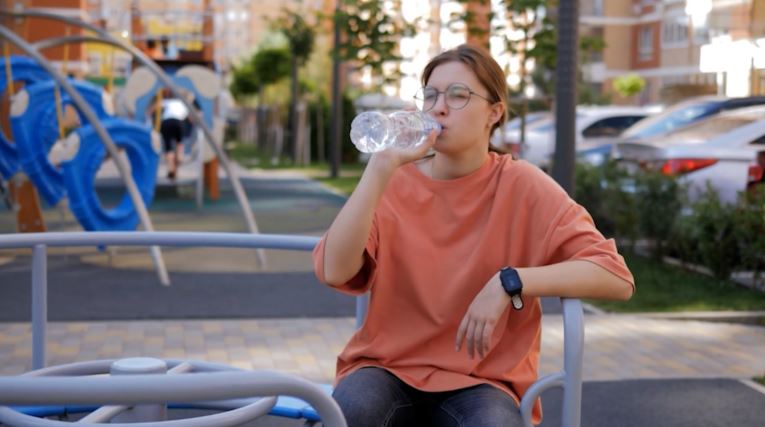
Municipal authorities in Gatineau, Quebec, have issued an urgent advisory urging residents to exercise extreme caution as a period of intense heat settles over the region. With temperatures forecasted to reach 34 degrees Celsius and the humidex expected to push the perceived temperature significantly higher, public health officials are emphasizing the necessity of proactive safety measures to prevent heat-related illnesses.
The current weather pattern, which is impacting much of the Outaouais region, has prompted local emergency services and health departments to coordinate public awareness campaigns regarding heat exhaustion and heat stroke. According to official guidance from the Quebec Ministry of Health and Social Services, vulnerable populations—including the elderly, young children, and individuals with chronic health conditions—are at the highest risk during prolonged periods of high humidity and heat.
Understanding the Impact of High Humidex Levels
While the thermometer reading of 34 degrees Celsius is significant, health experts note that the humidex is the primary metric for assessing immediate physiological strain. The humidex combines air temperature and relative humidity to reflect how the weather actually feels to the human body. When the humidex values rise, the body’s ability to cool itself through the evaporation of sweat is severely compromised, which can lead to rapid dehydration and dangerous core temperature spikes.

According to Environment and Climate Change Canada, a humidex reading between 30 and 39 degrees is considered uncomfortable, while readings reaching 40 and above require rigorous precautions. Residents are advised to monitor the latest Environment Canada local forecasts for Gatineau to stay updated on the specific hourly humidex trends, as conditions can shift rapidly throughout the day.
Recommended Safety Protocols for Residents
To mitigate risks during this heat event, local authorities recommend a series of standard practices designed to keep core body temperatures stable. Staying hydrated is the most critical defense; individuals should drink water consistently, even if they do not feel thirsty. It is also advised to avoid strenuous outdoor activities during the peak heat hours, typically between 11:00 a.m. and 4:00 p.m.

For those without access to air conditioning, the city often identifies cooling centers or public spaces such as libraries and community centers where air circulation is managed. Officials suggest that residents check on neighbors who may be isolated or less mobile. Common symptoms of heat-related distress include dizziness, nausea, rapid pulse, and confusion. If these symptoms occur, medical attention should be sought immediately by contacting local emergency services or visiting a nearby urgent care facility.
Monitoring Future Weather Updates
The duration of this heat wave remains subject to change as atmospheric conditions evolve. The Government of Quebec maintains a portal for heat-related health alerts, which provides the most current data on when warnings are in effect for specific administrative regions, including the Outaouais.
Residents are encouraged to follow the official social media channels of the City of Gatineau and local health authorities for real-time updates regarding municipal response measures, including any adjustments to public facility hours or emergency cooling initiatives. As the situation develops, staying informed through verified meteorological sources remains the best strategy for ensuring community safety throughout this weather event.
Have you taken steps to prepare your home for the heat? Share your experiences or questions in the comments below to help keep our community informed and safe.