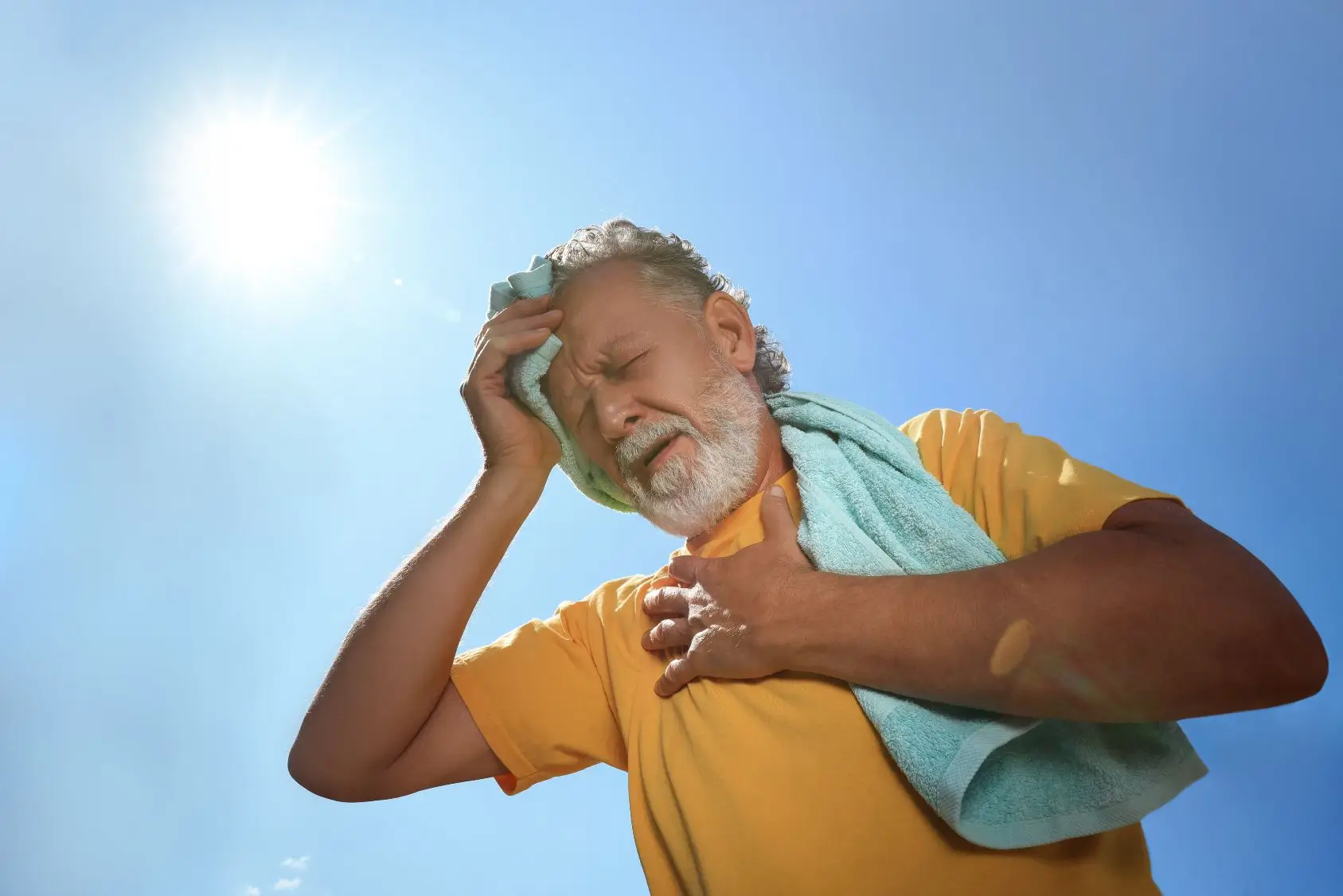
Approximately one in three people in Germany report suffering from heat-related health issues, including exhaustion, circulatory problems, and sleep disturbances, according to recent data from health insurance monitoring. As global temperatures continue to rise, urban residents and women are disproportionately affected by the physical and mental toll of prolonged summer heatwaves. Understanding these health risks is essential for implementing effective preventative measures in densely populated environments.
The Impact of Urban Heat on Public Health
The urban heat island effect remains a primary driver of health complications in metropolitan areas. Cities often retain heat significantly longer than rural surroundings due to dense infrastructure, asphalt surfaces, and reduced greenery, which prevent effective nocturnal cooling. According to the German Environment Agency (Umweltbundesamt), these conditions exacerbate the risk of heat stress, particularly for vulnerable populations such as the elderly, individuals with pre-existing cardiovascular conditions, and those living in poorly insulated housing.
Data suggests that the physiological burden of heat is not distributed equally. Women, in particular, have reported higher rates of heat-related discomfort in recent surveys. While the reasons are multifaceted, researchers point to differences in thermoregulation and the tendency for women to perform a larger share of household labor, which often involves activity during peak thermal hours. Managing these risks requires a combination of personal hydration strategies and broader urban planning initiatives, such as the expansion of “cool spots”—publicly accessible, climate-controlled areas—and the integration of more green spaces to facilitate natural cooling.
Recognizing and Mitigating Heat-Related Symptoms
Heat exhaustion and circulatory strain are the most common complaints reported during periods of elevated temperatures. Symptoms often manifest as sudden fatigue, dizziness, persistent headaches, and significant sleep disruption, which can impair cognitive function and overall well-being. The Robert Koch Institute (RKI), Germany’s federal public health agency, provides guidance on identifying early warning signs of heat illness. Recognizing these symptoms early is critical to preventing more severe outcomes, such as heatstroke, which constitutes a medical emergency.
To mitigate these risks, health authorities consistently recommend the following practices during heatwaves:
- Hydration: Maintain consistent fluid intake, prioritizing water over caffeinated or sugary beverages.
- Adaptive Clothing: Wear light-colored, breathable fabrics to assist the body’s natural cooling process.
- Strategic Scheduling: Limit strenuous physical activity to the early morning or late evening hours.
- Home Cooling: Keep windows shaded during the day and utilize cross-ventilation during the cooler night hours.
The Growing Need for Heat Action Plans
The increasing frequency of heatwaves has prompted a shift in healthcare policy across Europe. In Germany, the Federal Ministry of Health has emphasized the implementation of national heat action plans to protect the population. These frameworks focus on early warning systems that alert the public and healthcare providers before temperatures reach dangerous levels, ensuring that hospitals and nursing facilities are prepared for a surge in patients suffering from heat-related complications.
As we look toward future climate projections, the necessity for resilient infrastructure becomes even more apparent. Urban planning must prioritize “climate-sensitive” design, including the installation of drinking fountains, the use of light-reflecting building materials, and the protection of existing urban forests. For the individual, staying informed through official German Weather Service (DWD) heat warnings remains a cornerstone of personal health safety during the summer months.
As Editor of the Health section, I will continue to monitor updates from federal agencies regarding heat-related mortality statistics and the effectiveness of current adaptation strategies. Please share your experiences or questions regarding heat safety in the comments below, and stay tuned for our next report on climate-resilient urban development scheduled for release later this season.
- California SB 177: Governor Newsom Signs Bill to Hold Corporations Accountable for Medi-Cal Costs
- Blood in Urine: Why You Should Never Ignore This Warning Sign of Bladder Cancer
- Pharmaceutical Product Review Board: Institutional Services and Indigenous Health Specialists (world-today-news.com)
- Robert Reich: Trump’s Failed Iran Diplomacy and the Crisis in the Strait of Hormuz (archyde.com)