
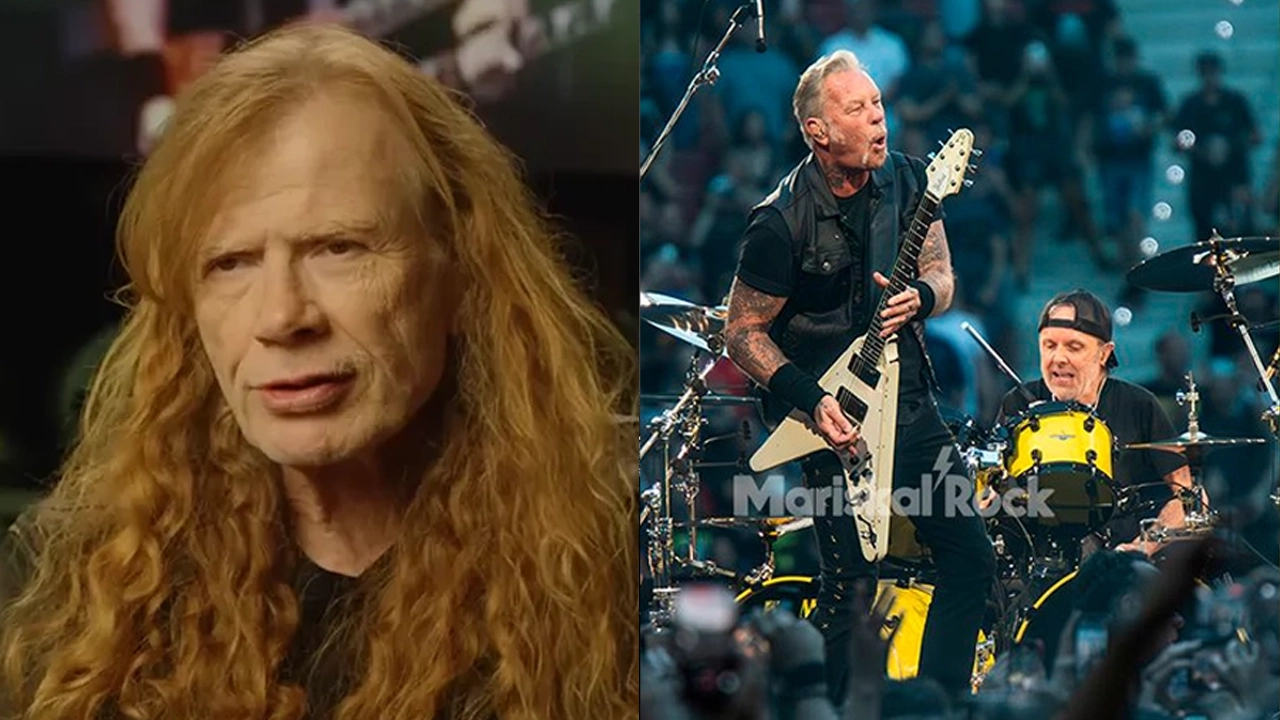
The landscape of heavy metal was irrevocably altered in the early 1980s, a period defined by the emergence of a raw, aggressive sound that would eventually be known as thrash metal. Among the most pivotal moments in this sonic evolution was the departure of Dave Mustaine from Metallica, an event that not only reshaped the trajectory of one band but sparked the creation of another powerhouse, Megadeth.
As an entertainment editor based in Los Angeles, I have spent over 15 years tracking the intersection of music and culture. The friction between Mustaine and Metallica remains one of the most storied rivalries in rock history, serving as a catalyst for the “Big Four” era of U.S. Thrash metal. To understand the impact of 43 years since Mustaine’s exit, one must first understand the genre that these musicians helped pioneer.
Thrash metal is an extreme subgenre of heavy metal characterized by its overall aggression and fast tempo. It emerged as a fusion of the double bass drumming and complex guitar stylings of the New Wave of British Heavy Metal (NWOBHM), the speed and aggression of hardcore punk and skate punk and the technicality of progressive rock Thrash metal (via Wikipedia).
This musical shift was not merely about speed. it was a philosophical backlash. The genre developed as a reaction against the conservatism of the Reagan era and the more moderate, pop-influenced sounds of glam metal, which was gaining mainstream traction during the same period Thrash metal (via Wikipedia).
The Architecture of Aggression: Defining the Thrash Sound
The sonic blueprint of thrash metal relies on a specific set of musical elements that separate it from traditional heavy metal. The songs typically utilize fast percussive beats and low-register guitar riffs, which are often overlaid with shredding-style lead guitar work. This combination creates a wall of sound that is both technically demanding and visceral.

In the early days of the movement, this sound was nurtured by independent record labels such as Megaforce, Metal Blade, Combat, Roadrunner, and Noise. These labels, along with an underground tape-trading industry spanning North America and Europe, allowed the genre to grow organically away from the polished constraints of major studio production.
The resulting music often blended traditional heavy metal structures with an emerging velocity. This mixture allowed for a level of complexity—borrowed from progressive rock—whereas maintaining the raw energy of punk. This duality is what allowed bands like Metallica and Megadeth to appeal to both the “headbanger” crowd and those seeking more intricate musical compositions.
The Rise of the Big Four
From approximately 1985 through 1991, thrash metal achieved significant commercial success. This era saw the rise of the “Big Four” of U.S. Thrash metal: Metallica, Slayer, Megadeth, and Anthrax Thrash metal (via Wikipedia).
The relationship between Metallica and Megadeth is uniquely tied to Dave Mustaine. After his exit from Metallica, Mustaine founded Megadeth, ensuring that his influence on the genre continued through a different lens. Both bands pushed the boundaries of the genre, contributing to the development of derivative forms such as death metal, black metal, and groove metal.
The influence of these bands extended globally, fostering regional scenes in the United States (particularly in Los Angeles and the San Francisco Bay Area), Germany, the United Kingdom, Brazil, Canada, Poland, and Australia. This global reach cemented thrash metal as a worldwide phenomenon rather than a localized trend.
Evolution and Fusion Genres
As the genre matured, it began to branch into various fusion styles. One notable example is crossover thrash, which is a direct fusion of thrash metal and hardcore punk. Other hybrid forms include blackened thrash metal and deathrash, further expanding the sonic palette of extreme metal.
The legacy of these early movements is still felt today in modern metalcore and “tough guy” hardcore. The technical proficiency established by the early thrash pioneers set a standard for guitarists and drummers across the metal spectrum, emphasizing both speed and precision.
| Category | Details |
|---|---|
| Stylistic Origins | NWOBHM, speed metal, hardcore punk, progressive rock |
| Cultural Drivers | Backlash against Reagan-era conservatism and glam metal |
| The “Big Four” | Metallica, Slayer, Megadeth, Anthrax |
| Key Labels | Megaforce, Metal Blade, Combat, Roadrunner, Noise |
The history of Dave Mustaine’s departure and the subsequent rise of Megadeth serves as a testament to the volatile yet creative energy of the 1980s metal scene. By splitting the vision of early thrash, two distinct legacies were created, both of which continue to influence musicians today.
For those looking to explore the evolution of these sounds, the discographies of the Big Four provide a comprehensive roadmap of how heavy metal transitioned from traditional riffs to the extreme speed of the thrash era.
As the music industry continues to evolve, the impact of these early pioneers remains a cornerstone of entertainment history. We invite you to share your thoughts on the legacy of the Big Four in the comments below.