In the rapidly shifting landscape of modern finance, the mandate for professional adaptation has reached a new inflection point. Dan Loeb, founder and CEO of the New York-based hedge fund Third Point, has publicly stated that the most effective way for professionals to gain proficiency in artificial intelligence is through direct, hands-on application. For those navigating the complexities of the current market, Loeb suggests that “the only way to get great at this is just to use it.”
This perspective underscores a broader strategic pivot occurring within institutional finance, where the integration of AI is increasingly viewed as a core competency rather than a peripheral technological upgrade. As the industry grapples with the disruptive potential of large language models and automated agents, leaders like Loeb are emphasizing a culture of continuous organizational and individual improvement. By encouraging his team to engage with AI tools firsthand, Loeb aims to demystify the technology and identify practical applications that can enhance investment research and operational workflows.
The Evolution of AI Integration in Finance
Loeb’s comments, delivered during a recent appearance on the “Invest Like The Best” podcast, reflect a candid assessment of the challenges posed by technological disruption. The Third Point CEO acknowledged that the firm had previously miscalculated the impact of AI on certain sectors, particularly within the information services industry. Despite successfully hedging against some companies vulnerable to AI-driven shifts, Loeb noted that his firm had underestimated the speed at which the technology would upend markets previously considered resilient.
This realization has served as a significant investment lesson for the firm over the past year. To mitigate uncertainty, Third Point has adopted a dual approach to AI adoption. The firm has integrated specialized talent, including computer scientists focused on specific AI-driven projects, while simultaneously fostering a firm-wide environment where all employees are encouraged to experiment with various applications. This hybrid model allows for both high-level technical development and broad-based practical application across the organization.
Practical Application and Toolsets
The practical implementation of AI at Third Point varies significantly depending on the individual’s role and technical background. Loeb highlighted that while some team members are deploying sophisticated autonomous agents to handle complex tasks overnight, others are utilizing AI primarily for research queries and data synthesis. Among the tools mentioned is Anthropic’s Claude, which Loeb described as a platform that rewards user effort and fosters autonomy.

By encouraging staff to exchange best practices, the firm aims to create a feedback loop that accelerates learning. For Loeb, the objective is to ensure that the organization remains agile as AI capabilities continue to evolve. This reflects a wider trend among major firms, where the expectation for AI literacy is becoming formalized. For example, reports have indicated that companies like Microsoft have moved toward incorporating AI proficiency into internal employee evaluations, signaling that the technology is now considered a fundamental pillar of professional contribution, alongside traditional skills like data analysis and effective communication. Official updates on Microsoft’s operational philosophy and corporate governance can be found via their corporate news center.
Cultural Shifts and Organizational Performance
The push for AI adoption is not without its frictions. As firms prioritize technological agility, some have taken a firm stance on employee compliance. In August 2025, Coinbase CEO Brian Armstrong noted that the company had terminated employees who resisted the firm’s strategic push to integrate AI into their daily workflows, underscoring the high stakes involved in digital transformation. This approach highlights a growing divide between organizations that view AI adoption as an optional enhancement and those that classify it as a non-negotiable requirement for future competitiveness.
For leaders at the helm of global investment firms, the challenge lies in balancing this aggressive adoption with the need for rigorous risk management. Loeb’s “obsessive” focus on continual improvement suggests that the next phase of market competition will likely be defined by the speed at which organizations can iterate their internal processes. As the industry moves forward, the ability to leverage these tools effectively will likely serve as a primary differentiator between firms that successfully navigate the AI era and those that remain tethered to legacy models.
Key Takeaways for Professionals
- Direct Engagement: Practical, hands-on usage is considered the most effective method for developing proficiency in AI tools.
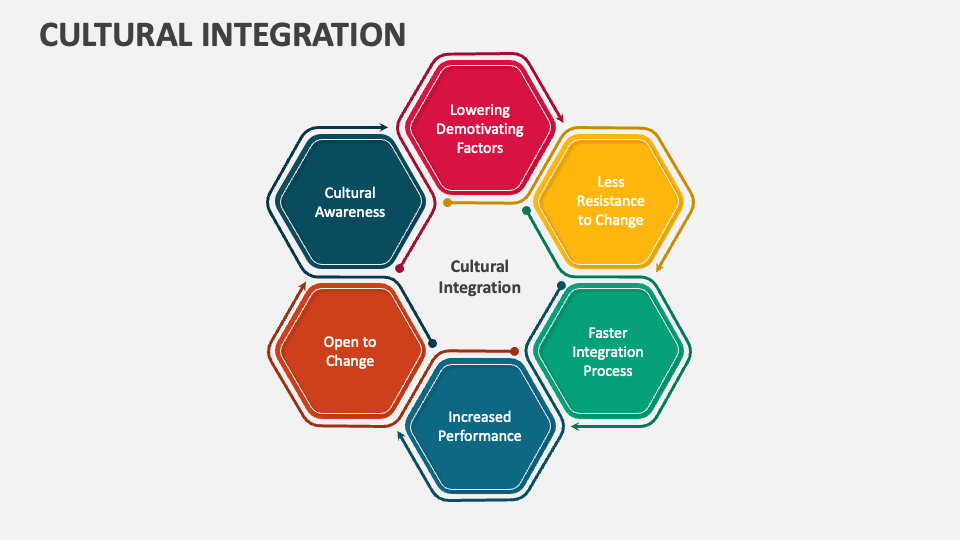
- Cultural Integration: Leading firms are moving toward making AI usage a core component of professional roles rather than an optional skill.
- Strategic Agility: Recognizing the potential for AI to disrupt resilient market sectors is a critical lesson for modern investment managers.
- Knowledge Sharing: Internal exchange of best practices is essential for scaling AI capabilities across diverse technical teams.
As of May 2026, the integration of AI into corporate structures remains a developing topic with significant implications for workforce management and market strategy. Future updates regarding the impact of these technologies on the financial sector are expected to emerge through subsequent quarterly earnings reports and industry conferences. For those interested in tracking these developments, official disclosures and investor relations filings remain the most reliable sources for information regarding firm-specific AI strategies.
We invite our readers to share their thoughts on the integration of AI in professional environments. Are you finding that these tools are becoming mandatory in your industry, or is the transition still in its early stages? Join the conversation in the comments section below.
Keep reading