Protecting Your Baby: Why the Hepatitis B vaccine at Birth Remains Crucial
For decades, the United States has made remarkable progress in controlling hepatitis B, a serious liver infection. A key component of this success? universal vaccination of newborns. Recent recommendations have sparked debate, but as a healthcare professional dedicated to child health, I want to explain why continuing to vaccinate all babies at birth is vital for protecting your child and the future of public health.
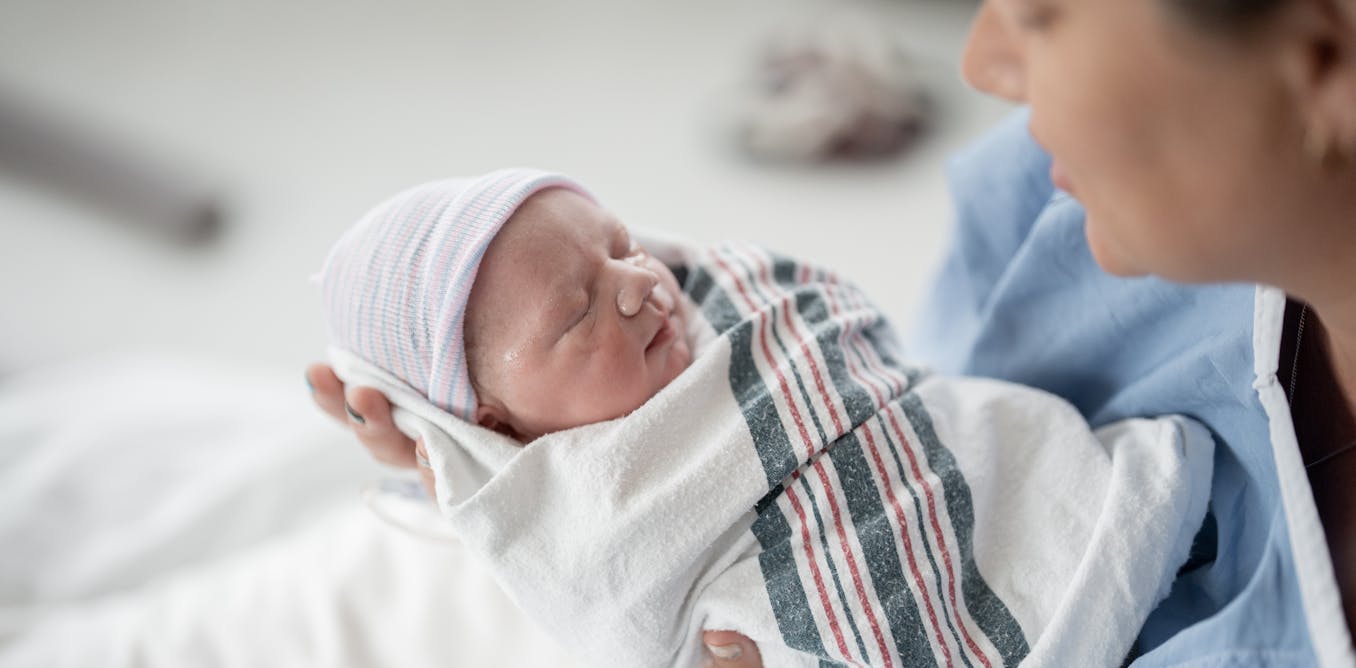
(Image: A newborn baby lying on a clinic bed while a pediatrician examines them. Credit: Ekkasit Jokthong/iStock via Getty Images Plus)
Understanding Hepatitis B & Why Early Protection Matters
Hepatitis B is a viral infection that attacks the liver. It can cause both acute illness – with symptoms like fever,fatigue,and jaundice – and chronic infection,leading to serious complications like cirrhosis,liver cancer,and even liver failure. The danger is that many people with chronic hepatitis B don’t even know they’re infected, silently suffering liver damage.
Here’s what you need to know about how babies can contract hepatitis B:
* Mother to Child Transmission: Babies can get infected during birth if their mother carries the virus. This is why maternal screening is so crucial. However, screening isn’t perfect.
* Household Exposure: Even after infancy, children are vulnerable through everyday contact. Sharing toothbrushes, minor skin breaks from bites, or even contact with contaminated surfaces can spread the virus.
* Silent Carriers: Many people with hepatitis B are unaware they’re infected, meaning your baby could be exposed without you knowing.
As hepatitis B can survive for up to a week on surfaces, even babies born to mothers without the infection are at risk.
The Current Suggestion & Why It’s Being Questioned
Recently, an advisory committee suggested possibly changing the recommendation to only vaccinate infants born to mothers known to be infected with hepatitis B. While this shift aims to reduce vaccine doses, it carries significant risks.
Here’s why continuing universal vaccination is so critically important:
* Gaps in Screening: Maternal screening isn’t 100% effective. Some infections are missed, leaving babies unprotected.
* Delayed diagnosis: It takes time to process screening results.Vaccinating at birth provides immediate protection, bridging the gap until a mother’s status is confirmed.
* Increased Infections: Research estimates that limiting the vaccine to only at-risk infants could lead to an additional 476 perinatal hepatitis B infections each year.
The Safety of the Hepatitis B Vaccine
You understandably want to ensure your baby’s safety. The hepatitis B vaccine has an exceptional safety record.
* Rare Allergic Reaction: The most common concern is anaphylaxis, a severe allergic reaction, which occurs in roughly 1 in 600,000 doses. Critically, no child has died from this reaction.
* No link to Other Conditions: Extensive studies have found no link between the hepatitis B vaccine and other serious health problems.
The benefits of protection far outweigh the extremely low risk of adverse effects.
Completing the Vaccine Series: It’s Not Just About the First Dose
The initial dose at birth is just the beginning. Full protection against hepatitis B requires a three-dose series, administered at specific intervals during infancy.
* why Three Doses? The series ensures your child develops a strong and lasting immune response.
* Antibody Testing: Your healthcare provider may discuss checking your child’s antibody levels after a dose or two, particularly if your child is in a high-risk group. However, this testing is not a substitute for completing the full series.
Protecting the Progress We’ve Made
The universal hepatitis B vaccination program has dramatically reduced childhood infections in the U.S. Reverting to a risk-based approach threatens to undo this progress, leaving more children vulnerable to a preventable disease.
Talk to your pediatrician about any concerns you have. Together, you can make the best decision to protect your child’s health and contribute to a healthier future for all.
Resources:
* CDC – Child Vax View: [https://www.cdc.gov/childvaxview/about/interactive-reports.html](https://www.cdc.gov/child
Related reading