Beirut, Lebanon – As the conflict between the United States, Israel, and Iran escalates, Lebanon finds itself increasingly vulnerable, dragged toward another war by the actions of Hezbollah. The Iran-backed militant group, a powerful political and military force within Lebanon, has become a key player in the widening regional conflict, despite prior assurances to the Lebanese government, raising fears of a full-scale war that could devastate the already fragile nation.
The current crisis stems from a series of retaliatory strikes following an initial escalation between Iran and Israel. On March 2, 2026, Iran and Iranian-backed militias launched missiles at Israel and Arab states, reportedly hitting the U.S. Embassy compound in Kuwait according to the Associated Press. Israel and the United States responded with strikes targeting Iran, marking a significant expansion of the conflict. The situation has rapidly deteriorated, with reports of casualties mounting on both sides. At least 555 people have been killed in Iran by the U.S.-Israeli campaign, according to the Iranian Red Crescent Society, with over 130 cities reportedly under attack. Eleven people have been killed in Israel, according to authorities there.
Hezbollah’s Role and Iran’s Influence
For decades, Tehran has invested heavily in Hezbollah as part of its “Axis of Resistance,” a network of proxy groups across the Middle East designed to project Iranian influence and challenge regional adversaries. This support, estimated to be in the billions of dollars, has allowed Hezbollah to develop a formidable military capability and exert significant political power within Lebanon. The group’s close ties to Iran have consistently raised concerns about its potential to act as a catalyst for wider regional conflicts.
Prior to the recent escalation, the Lebanese government reportedly warned Hezbollah against becoming involved in a potential conflict with Israel, fearing the devastating consequences for Lebanon. According to reports, Hezbollah initially reassured authorities that it would not intervene. However, as tensions rose and Iran vowed to retaliate for any attack, Hezbollah ultimately engaged, launching strikes into Israel. This decision, possibly influenced by pressure from its patron, Iran, has placed Lebanon squarely in the crosshairs.
Escalating Violence and Regional Impact
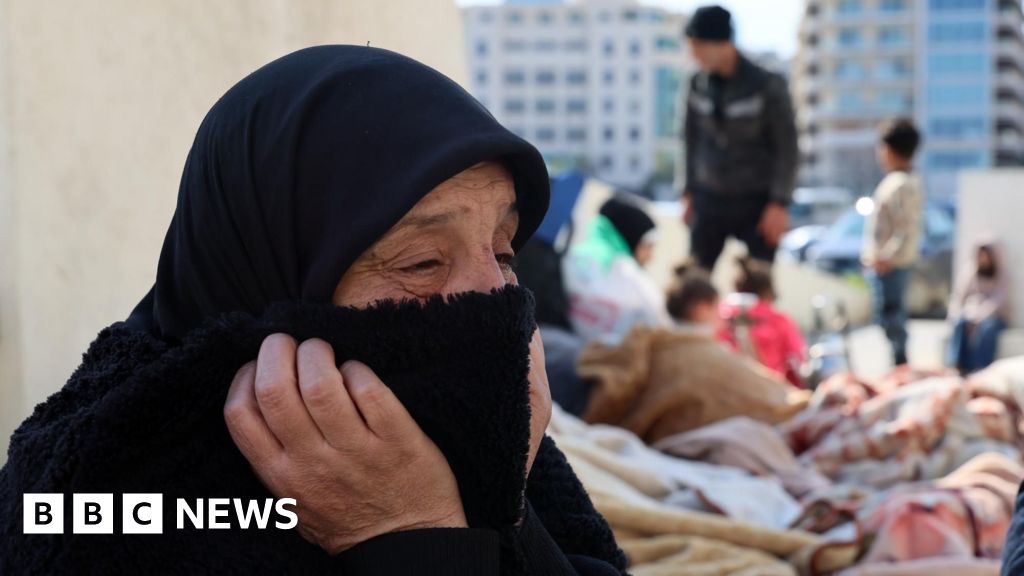
The exchange of fire between Israel and Hezbollah has already led to significant disruption and casualties. The Israel Defense Forces (IDF) has ordered the evacuation of residents from more than 50 villages in Lebanon, prompting traffic jams as people flee their homes as reported by the BBC. One resident described the situation as “absolutely miserable.” Meanwhile, Iranian missiles struck the Israeli city of Beit Shemesh, killing at least nine people, marking the deadliest attack on Israel since the current conflict began.
The conflict is not limited to direct military engagements. The strikes across the Gulf region are causing widespread business disruption, particularly impacting airline share prices in the Asia Pacific region as Iranian strikes target neighboring airports. Global oil prices have similarly risen following attacks on ships near the Strait of Hormuz, a critical waterway for global energy supplies. Members of the Gulf Cooperation Council have accused Iran of violating their sovereignty.
U.S. Response and Diplomatic Efforts
The United States has been actively involved in the escalating conflict, conducting airstrikes against targets in Iran. However, President Donald Trump has remained largely silent on the issue, ignoring reporters’ questions upon his return to the White House. This silence contrasts with the more active role of Vice President JD Vance, who has not publicly supported the U.S. Action against Iran. U.S. Secretary of State Marco Rubio is scheduled to brief House and Senate leaders on Iran on Tuesday, March 10, 2026, at 16:00 ET (21:00 GMT) according to the BBC.
Adding to the complexity of the situation, reports indicate that a U.S. Embassy in Riyadh was hit by drones, and several American warplanes crashed in Kuwait City, with pilots reportedly in stable condition. The U.S. Military has yet to comment on the cause of the crashes as reported by the New York Times. These incidents underscore the potential for the conflict to spread and draw in additional regional actors.
The Situation in Kuwait
The reported attacks in Kuwait, including the drone strike on the U.S. Embassy compound and the crashes of American warplanes, raise serious concerns about the security of U.S. Personnel and assets in the region. While details remain scarce, the incidents highlight the vulnerability of diplomatic facilities and military installations to retaliatory attacks. The defense ministry in Kuwait stated that the pilots of the crashed warplanes were taken to a hospital and are in stable condition, but did not elaborate on the cause of the crashes.
Lebanon’s Precarious Position
Lebanon is already grappling with a severe economic crisis, political instability, and the lingering effects of the 2020 Beirut port explosion. The prospect of another war with Israel is a catastrophic blow to a nation struggling to survive. The country’s infrastructure is weak, its economy is in freefall, and its political system is deeply divided. A full-scale conflict would likely exacerbate these challenges, leading to widespread displacement, economic devastation, and further political fragmentation.
Hezbollah’s actions have placed Lebanon in a particularly precarious position. The group’s entanglement in the regional conflict risks turning the country into a battleground, with potentially devastating consequences for its civilian population. The Lebanese government, already weakened by internal divisions and economic woes, is ill-equipped to cope with the fallout of a major war.
Looking Ahead
The situation remains highly volatile and unpredictable. The United States, Israel, and Iran all appear determined to pursue their respective objectives, raising the risk of further escalation. Diplomatic efforts to de-escalate the conflict have so far yielded limited results. The next key event to watch will be U.S. Secretary of State Marco Rubio’s briefing to Congress on March 10, 2026, which may provide further insight into the U.S. Strategy for addressing the crisis.
The future of Lebanon hangs in the balance. Whether the country can avoid being drawn into a full-scale war depends on a complex interplay of regional and international factors. The actions of Hezbollah, the responses of Israel and the United States, and the efforts of regional and international actors will all play a crucial role in determining Lebanon’s fate.
What are your thoughts on the escalating conflict in the Middle East? Share your comments below and join the conversation.