Hezbollah has stated that any continued presence of Israeli troops on Lebanese soil would give Lebanon the right to resist, emphasizing that a proposed cease-fire must not grant Israel freedom of movement within Lebanon. The group’s stance comes amid ongoing cross-border exchanges and diplomatic efforts aimed at de-escalating the conflict that has intensified since late 2023.
The statement reflects Hezbollah’s firm position that Israeli military operations in southern Lebanon, including the occupation of specific hilltops, violate Lebanese sovereignty and undermine any potential truce agreement. According to the group, resistance would be justified under such circumstances as a legitimate response to foreign occupation.
Israeli forces have maintained control over five hilltops in southern Lebanon since a ceasefire understanding in November 2024, a fact confirmed by multiple international reports. These positions have turn into a focal point of tension, with Hezbollah insisting their withdrawal is non-negotiable for any lasting peace.
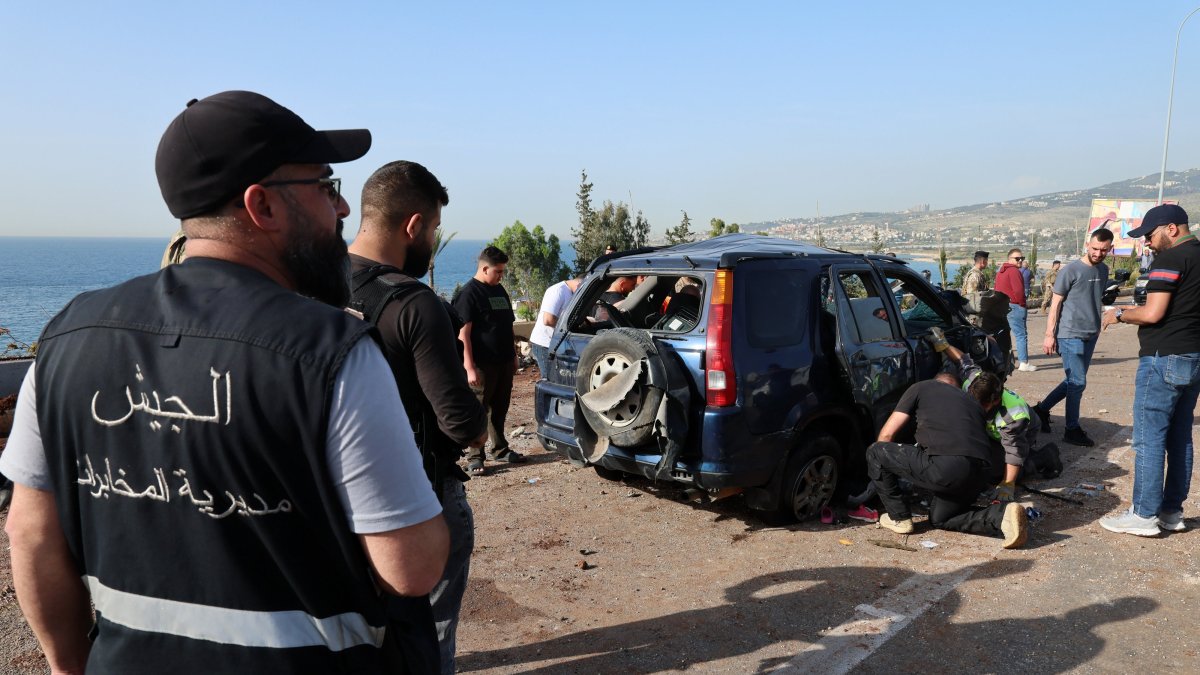
The ongoing violence has included frequent exchanges of fire across the Blue Line, the UN-demarcated border between Israel and Lebanon. Israeli military officials have reported striking numerous targets in Lebanon in response to rocket and drone launches from Hezbollah, while Lebanese authorities have documented civilian casualties and infrastructure damage from Israeli operations in populated areas.
Diplomatic channels remain active, with reports indicating that U.S.-mediated talks are being prepared to address the broader Israel-Hezbollah confrontation. However, Hezbollah has made clear that any cease-fire framework must prioritize the full withdrawal of Israeli troops from Lebanese territory as a precondition for de-escalation.
Hezbollah’s Conditions for Cease-Fire
Hezbollah leadership has consistently linked the cessation of hostilities to specific territorial concessions, particularly the evacuation of Israeli forces from occupied Lebanese land. The group argues that allowing Israel to maintain military positions or freedom of movement in southern Lebanon would effectively legitimize occupation and encourage future incursions.
This position aligns with Hezbollah’s broader ideological framework, which views armed resistance as a legitimate tool against foreign occupation. The organization has framed its military capabilities as a deterrent and defensive necessity, especially given Israel’s history of military operations in Lebanon dating back to the 1980s.
Analysts note that Hezbollah’s demand for complete Israeli withdrawal reflects not only military strategy but also domestic political considerations. Maintaining credibility with its Lebanese Shiite base and broader Arab audiences requires demonstrating an unwavering stance on sovereignty and territorial integrity.
The group’s messaging has emphasized that resistance would continue in any form necessary to end what it describes as illegal occupation. This includes the potential resumption of rocket fire, cross-border raids, or other asymmetric tactics if Israeli forces remain in place after a cease-fire declaration.
Israeli Military Position and Occupied Territories
Israel has justified its continued presence in southern Lebanon as a security measure aimed at preventing Hezbollah from launching attacks across the border. Military officials state that the occupied hilltops provide strategic observation points and buffer zones necessary to monitor and counter hostile activity.
The Israel Defense Forces (IDF) have reported conducting limited operations in southern Lebanon to disrupt Hezbollah’s infrastructure and prevent the smuggling of weapons. These actions are described as defensive and proportional, intended to deter rather than occupy.
However, Lebanese officials and international observers have criticized the prolonged Israeli presence as a violation of UN Security Council Resolution 1701, which ended the 2006 Lebanon War and called for the withdrawal of Israeli forces from southern Lebanon alongside the disarming of militias.
Recent exchanges have seen Israeli artillery and airstrikes target areas identified as Hezbollah strongholds, while Hezbollah has launched rockets and drones into northern Israel. Both sides have reported casualties, though exact figures vary and are often disputed.
The situation remains fluid, with periodic escalations followed by tentative de-escalation efforts. International mediators, particularly the United States and France, have engaged in shuttle diplomacy to prevent a broader regional conflict.
Diplomatic Efforts and Regional Implications
Efforts to negotiate a cease-fire have intensified amid growing concern that the Israel-Hezbollah front could expand into a wider regional war involving Iran and its allies. U.S. Envoys have held separate discussions with Israeli and Lebanese officials, seeking to establish a framework for de-escalation that addresses security concerns on both sides.
Lebanon’s government, while officially advocating for restraint, faces limited capacity to enforce its sovereignty in the south due to Hezbollah’s de facto control over much of the territory. This dynamic complicates negotiations, as Beirut cannot guarantee Hezbollah’s compliance with any agreement without the group’s direct participation.
Hezbollah’s insistence on linking any cease-fire to Israeli withdrawal reflects its dual role as both a Lebanese political party and an Iran-aligned militant organization. Its decisions are influenced by domestic Lebanese politics as well as broader regional strategies aligned with Tehran’s interests.
Regional analysts warn that failure to resolve the border dispute could lead to renewed large-scale hostilities, with potential consequences for civilian populations on both sides. The destruction observed in recent exchanges has already displaced thousands of Lebanese civilians from border villages.
Humanitarian Impact and Civilian Concerns
Civilian populations in southern Lebanon have borne the brunt of the recurring violence, with homes, businesses, and agricultural land damaged or destroyed in repeated exchanges. Displacement has become a recurring pattern, particularly during periods of intensified Israeli airstrikes and artillery barrages.
International humanitarian organizations have reported challenges in delivering aid due to security risks and access restrictions. Medical facilities in the region have faced strain from treating conflict-related injuries while managing limited resources.
In northern Israel, communities near the border have also experienced disruption, with residents spending time in shelters during rocket alerts and dealing with property damage from intercepted projectiles. However, Israeli civil defense systems have intercepted the majority of incoming threats, reducing casualties on that side.
The psychological toll on civilians living in the shadow of recurring conflict remains significant, with long-term displacement and trauma affecting generations. Aid groups continue to call for unimpeded humanitarian access and protection for non-combatants under international law.
Path Forward and Verified Developments
As of mid-April 2026, no formal cease-fire agreement has been reached between Israel and Hezbollah, despite ongoing diplomatic engagement. Both sides continue to assert their positions through military actions and public statements, maintaining a fragile status quo punctuated by periodic flare-ups.
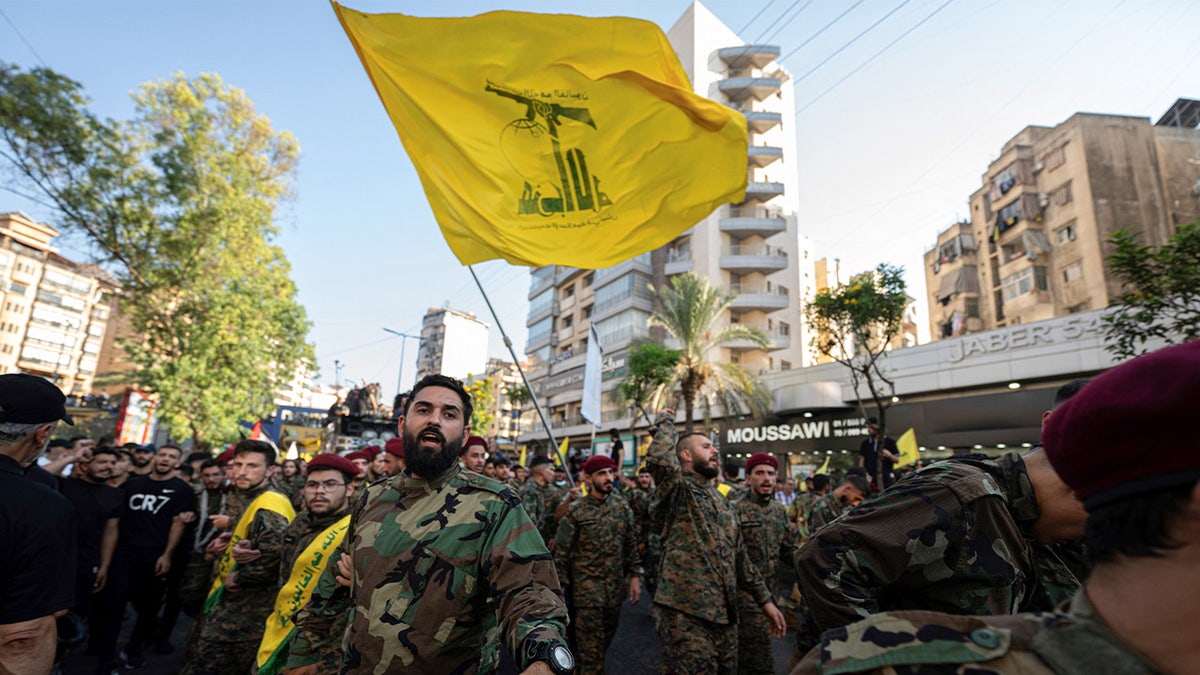
The next key development to watch is the scheduled round of direct talks between Israeli and Lebanese representatives in Washington, which mediators hope could establish preliminary understandings on border security and troop movements. However, Hezbollah’s absence from these negotiations—due to its designation as a terrorist organization by Israel and Western powers—limits their direct impact on the group’s behavior.
Until a verifiable withdrawal of Israeli forces from the occupied hilltops in southern Lebanon occurs, Hezbollah has indicated that its right to resist remains active. Any future escalation would likely depend on whether diplomatic efforts can produce concrete security guarantees that satisfy both Israeli deterrence needs and Lebanese sovereignty demands.
For ongoing updates on this evolving situation, readers are encouraged to consult official statements from the Israel Defense Forces, Lebanon’s Ministry of Health, and the United Nations Interim Force in Lebanon (UNIFIL), which monitors the Blue Line and reports on violations by all parties.
Stay informed, share verified information, and engage in constructive dialogue about paths to peace in the region.
Related reading