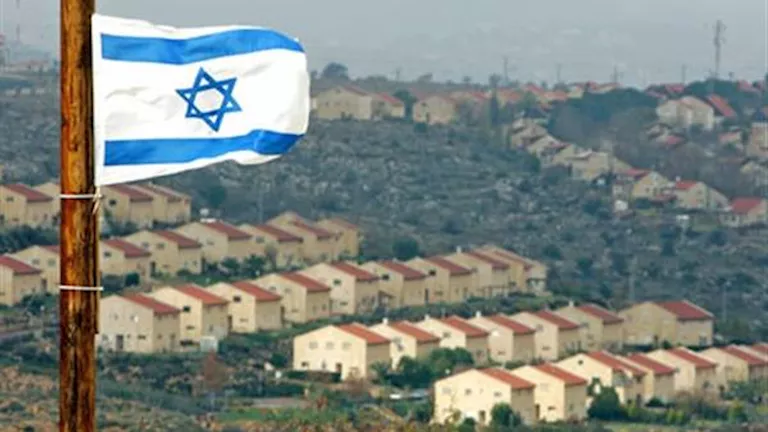
Northern Israel and Lebanon – Hezbollah has issued a warning to residents of Israeli settlements in northern Israel, urging them to evacuate within a 5-kilometer radius of the border. This escalation comes amid ongoing clashes between Hezbollah and Israeli forces, which are occurring in the context of the broader conflict involving Iran and the United States. The situation remains highly volatile, with both sides exchanging fire and rhetoric.
According to a statement released by Hezbollah, its fighters targeted a gathering of Israeli military vehicles advancing from Wadi al-Asafir towards the southern quarter of the city of Khiam at 01:40 local time on Friday, March 6, 2026. The group claims to have inflicted direct hits, forcing the vehicles to retreat. This action, Hezbollah asserts, is in response to what it describes as Israeli aggression targeting dozens of Lebanese cities and towns, including the southern suburbs of Beirut.
Escalating Tensions in the Hezbollah-Israel Conflict
The current hostilities are part of the ongoing Hezbollah-Israel conflict, which has been escalating since 2023. Recent developments, as outlined by Wikipedia, indicate a significant increase in cross-border attacks and heightened tensions. The conflict is deeply intertwined with the wider geopolitical landscape, particularly the ongoing war involving Iran and the United States. This complex interplay of regional powers adds another layer of complexity to the situation, making de-escalation efforts particularly challenging.
The warning issued to Israeli residents marks a significant escalation in Hezbollah’s rhetoric and actions. While previous exchanges of fire have been relatively contained, a direct call for evacuation suggests a potential for a wider-scale offensive. Israeli officials have not yet publicly responded to the evacuation warning, but the Israeli military is reportedly on high alert. The potential displacement of civilians on both sides of the border raises serious humanitarian concerns.
Recent Clashes and Reported Casualties
As of March 6, 2026, the conflict has resulted in casualties on both sides. According to reports, 12 individuals have been arrested, two killed, and two injured in Israel. In Lebanon, the reported death toll stands at 123, with 683 injured. These figures, however, are subject to change as the situation continues to evolve and access to accurate information remains limited. The ongoing conflict is as well impacting civilian infrastructure in Lebanon, with reports of damage to homes, businesses, and essential services.
The targeting of military vehicles near Khiam, as claimed by Hezbollah, is part of a pattern of attacks aimed at disrupting Israeli military movements along the border. Khiam, a town in southern Lebanon, has historically been a strategic location due to its proximity to the border and its role in past conflicts. The area has witnessed intense fighting in previous rounds of hostilities between Hezbollah and Israel.
The Broader Regional Context
The current escalation is not occurring in isolation. It is deeply embedded within a broader regional crisis that includes conflicts in Iran, Iraq, and Syria. The 2026 Hezbollah–Israel strikes are occurring during the ongoing war with Iran between Israel and the United States, further complicating the situation. Hezbollah, as an Iranian-allied proxy, plays a crucial role in this regional dynamic. Its actions are often seen as being influenced by, and coordinated with, Iran’s strategic objectives.
The conflict also has implications for U.S. Interests in the region. The United States maintains a strong military presence in the Middle East and has close ties with Israel. Any escalation that threatens regional stability could potentially draw the United States more directly into the conflict. Recent attacks on U.S. Bases in the region, including the Tower 22 drone attack in February 2024, have already heightened tensions and prompted retaliatory strikes by the U.S. Military.
Impact on Civilian Populations
The ongoing conflict is having a devastating impact on civilian populations on both sides of the border. In Lebanon, tens of thousands of people have been displaced from their homes due to the fighting. The Lebanese health sector is also under strain, with reports of attacks on hospitals and medical facilities. In Israel, residents of northern communities are living in fear of rocket attacks and are facing disruptions to their daily lives.
The targeting of civilian areas by both sides has raised concerns about potential war crimes. International humanitarian law prohibits the deliberate targeting of civilians and requires all parties to capture precautions to minimize harm to non-combatants. However, in the heat of conflict, these principles are often violated, leading to tragic consequences for innocent people.
Looking Ahead: Potential Scenarios and Challenges
The future trajectory of the Hezbollah-Israel conflict remains uncertain. Several potential scenarios could unfold, ranging from a negotiated ceasefire to a full-scale war. A key factor will be the willingness of both sides to engage in meaningful negotiations and to address the underlying causes of the conflict. However, given the deep-seated mistrust and animosity between Hezbollah and Israel, reaching a lasting peace agreement will be a formidable challenge.
The involvement of external actors, such as Iran and the United States, also complicates the situation. Any miscalculation or escalation by these powers could quickly spiral out of control, leading to a wider regional conflict. Diplomatic efforts to de-escalate tensions and to prevent further escalation are therefore crucial.
The immediate priority is to protect civilians and to provide humanitarian assistance to those affected by the conflict. International organizations, such as the United Nations and the Red Cross, are working to provide aid to those in need. However, access to affected areas remains limited due to the ongoing fighting.
The situation is further complicated by reports of assassination attempts targeting key figures on both sides. The assassination of Hassan Nasrallah in 2024, and Hashem Safieddine, have added fuel to the fire and increased the risk of retaliation. These events underscore the volatile nature of the conflict and the potential for further escalation.
Key Takeaways
- Hezbollah has warned Israeli residents to evacuate areas within 5 kilometers of the border.
- The conflict is part of a broader regional crisis involving Iran, Israel, and the United States.
- Casualties are mounting on both sides, and civilian populations are being severely impacted.
- The future trajectory of the conflict remains uncertain, with several potential scenarios possible.
As of today, March 6, 2026, the conflict continues. The next significant development is expected to be a statement from the Israeli government regarding the evacuation warning issued by Hezbollah. We will continue to monitor the situation closely and provide updates as they become available. Your thoughts and insights are welcome in the comments section below. Please share this article with your networks to help raise awareness of this critical situation.