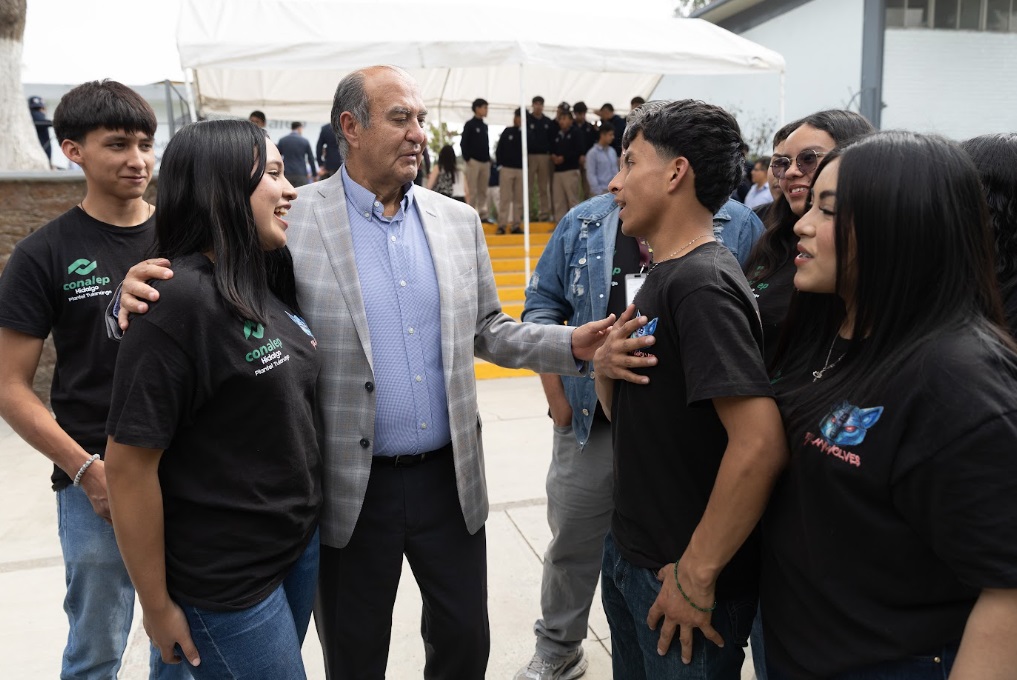
Hidalgo has registered notable progress in student retention rates across upper secondary education, according to official educational data released for the region. Education authorities in the Mexican state report that strategic interventions targeting dropout prevention have successfully kept more teenagers enrolled in high schools and technical training centers, addressing a persistent structural challenge in Mexican public schooling.
The improvements reflect coordinated efforts by state educational institutions and federal programs aimed at identifying at-risk students before they abandon their studies. Officials emphasize that upper secondary education—known in Mexico as educación media superior—serves as a critical bridge between basic schooling and higher education or the formal workforce, making retention during these years vital for long-term economic mobility.
As state agencies continue to monitor enrollment trends, educators and policy analysts are evaluating the specific retention strategies that have yielded positive results across different municipalities. Understanding the scope of these educational gains requires examining the underlying retention metrics, the institutional policies driving the change, and the ongoing challenges facing students and teachers in Hidalgo’s classrooms.
Measuring Retention in Upper Secondary Schools
Evaluating student retention requires tracking continuous enrollment from the first semester through graduation without unauthorized interruptions. According to public education reports from state authorities in Hidalgo, targeted tracking systems have allowed administrators to spot attendance drops and academic stagnation early enough to intervene effectively.
State officials have pointed to enhanced scholarship distributions, including federal support programs designed to alleviate household financial pressures, as a primary driver for keeping students in classrooms. When families struggle with the indirect costs of schooling—such as transportation, books, and uniforms—financial aid often makes the difference between continuing education and entering the informal labor market prematurely.
At the same time, regional differences remain a focal point for education planners. While urban centers like Pachuca de Soto generally maintain higher baseline stability, rural and marginalized communities in Hidalgo historically experience greater volatility in student attendance. Recent administrative pushes have concentrated resources on these vulnerable zones to close the retention gap.
Policies and Institutional Strategies Driving Progress
Sustaining higher enrollment figures involves more than financial aid; it requires a comprehensive overhaul of student support mechanisms inside schools. Hidalgo’s educational framework incorporates academic tutoring, psychological counseling, and closer communication channels between teachers and parents to address personal or academic crises before students drop out.
Furthermore, technical high schools and vocational training centers have worked to align their curricula more closely with regional economic needs, giving students a clearer view of their career prospects. When young people see a direct link between their classroom work and future employment opportunities in local industries, their motivation to finish their secondary studies increases significantly.
State education secretariats maintain that continuous professional development for teachers is equally essential. Instructors trained in identifying signs of disengagement can connect troubled students with institutional resources, creating a supportive safety net that counters the common causes of school abandonment.
Next Steps for Hidalgo’s Educational Sector
Educational authorities in Hidalgo will release updated enrollment and graduation statistics at the conclusion of the current academic cycle, providing a clearer benchmark for long-term progress. Stakeholders anticipate further evaluations from state oversight bodies regarding the allocation of scholarship funds and the expansion of tutoring programs into underserved regions.
Readers seeking further details on enrollment guidelines, scholarship programs, or institutional calendars can consult official announcements published through the Gobierno del Estado de Hidalgo portal. Public feedback and community inquiries regarding educational services are handled directly through regional coordination offices across the state.
Related reading
- How Small-Scale Projects Create Big Global Influence
- Italy Car Market Up 3.9% in July as EV & Plug-in Hybrid Sales Surge Despite Subsidy Drop
- Supreme Court Rulings on Student Protests and Police Accountability (world-today-news.com)
- RAP vs. IBR: What Your New Student Loan Bill Actually Costs (daybreakwire.com)