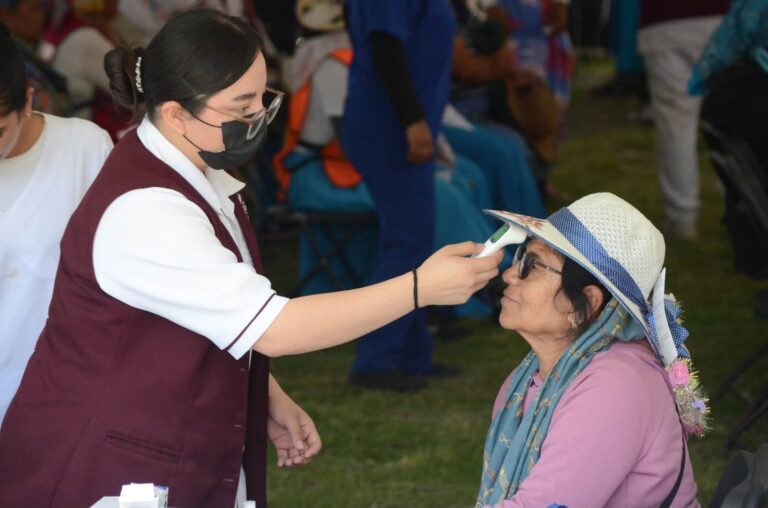
Recent public health data from Mexican health authorities highlights a localized rise in COVID-19 infections, with the state of Hidalgo recording notable case numbers as monitoring systems track ongoing viral circulation nationwide. While national attention frequently centers on densely populated urban zones, regional health departments continue to evaluate transmission patterns, hospital capacity, and community vulnerability metrics to guide local prevention strategies.
According to official epidemiological updates, the cumulative case totals place Hidalgo behind only a few major administrative regions. Specifically, current federal health registries show that the only entities surpassing Hidalgo in cumulative caseloads during this tracking cycle are Mexico City, which reported 410 cases, and the State of Mexico, with 116 cases. Public health officials analyze these figures closely to understand transmission velocity across central Mexico, noting that population density and regional mobility significantly influence these distribution patterns.
Medical experts emphasize that while absolute numbers fluctuate based on testing availability and reporting cycles, tracking regional trends remains essential for protecting vulnerable populations. Healthcare systems in central Mexico maintain routine surveillance protocols to detect shifts in variant activity and ensure that clinical facilities are prepared for any potential surge in outpatient visits or inpatient admissions.
Epidemiological Context and Regional Surveillance
The distribution of viral respiratory illnesses across central Mexico reflects established patterns of human movement and regional connectivity. Hidalgo shares extensive economic and commuter ties with both Mexico City and the State of Mexico, creating a continuous corridor for daily transit. Epidemiologists studying these trends point out that localized rises often correspond to increased travel, seasonal changes in indoor mixing, and shifting population immunity profiles.
Public health institutions rely on sentinel site monitoring, wastewater surveillance, and laboratory-confirmed diagnoses to paint an accurate picture of viral activity. These multi-layered data streams allow authorities to detect emerging clusters before they overwhelm local clinics. Federal health guidelines continue to encourage individuals experiencing respiratory symptoms to seek timely medical evaluation, particularly older adults and individuals with underlying health conditions.
Healthcare Infrastructure and Prevention Guidelines
Hospital networks across Hidalgo and neighboring jurisdictions operate under standard epidemiological readiness frameworks. Medical professionals advise that vaccination remains the cornerstone of defense against severe disease, hospitalization, and long-term health complications associated with the virus. Local clinics and health centers coordinate with state authorities to ensure that immunization resources remain accessible to the public.
As health agencies publish periodic updates on disease incidence, residents are directed to consult official municipal and state health portals for verified guidance regarding testing locations, vaccine availability, and protective measures. Public health communications emphasize balanced, evidence-based precautions rather than restrictive mandates, focusing on individual risk assessment and community care.
Next Steps for Public Health Monitoring
Federal and state health authorities will release subsequent epidemiological bulletins as new diagnostic data becomes available through official reporting channels. Communities can monitor these developments through scheduled updates issued by the Mexican Secretariat of Health and regional public health directorates.
We welcome your perspectives on public health reporting and regional medical updates. Please share your thoughts or questions in the comments below.