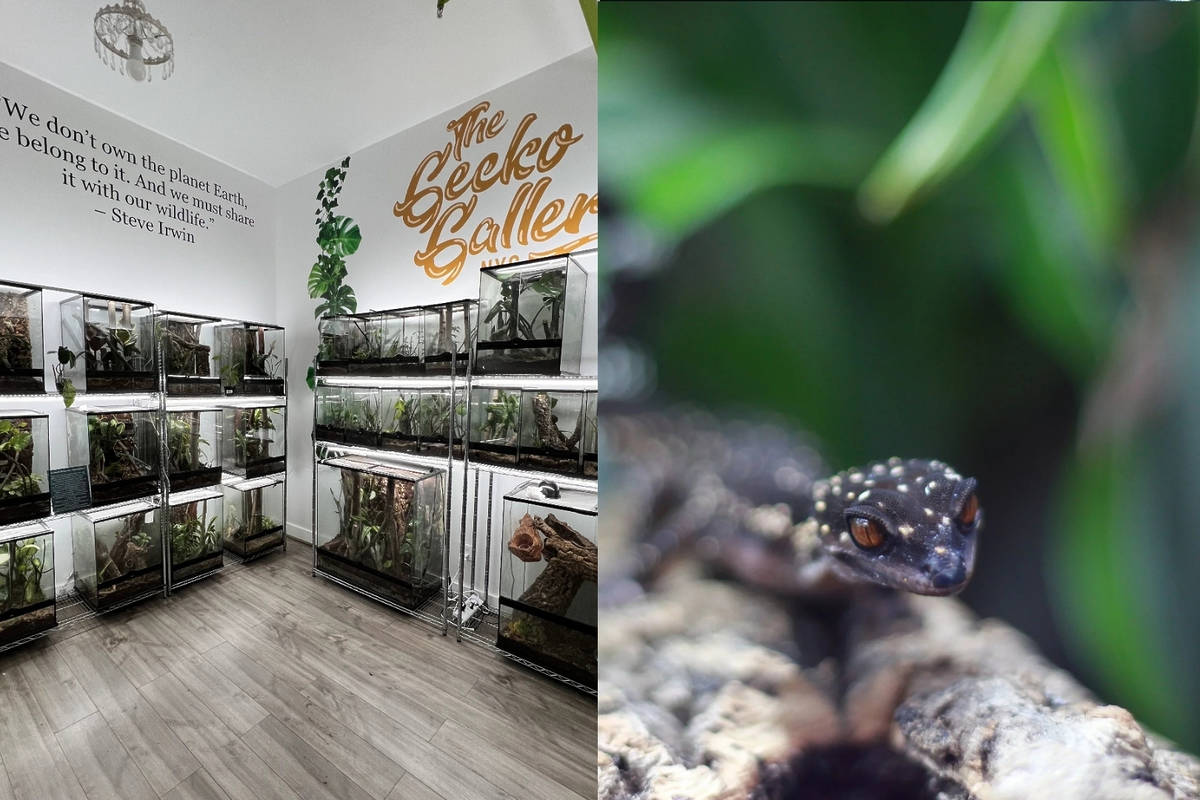
For those who find the typical museum experience a bit too predictable, a unique destination in New York City offers an alternative that feels less like a traditional gallery and more like a trip into a hidden world. Tucked away in the urban landscape, the Urban Zoo has carved out a reputation as a premier destination for reptile enthusiasts, housing what is frequently cited as the largest public collection of reptiles in the Northeast United States.
Entering the space requires a bit of curiosity, as the facility embraces an aesthetic that leans into the mysterious. Visitors often describe the experience as akin to finding a speakeasy; the entrance is discreet, requiring guests to navigate past specific markers—such as the keypad located beneath the gallery signage—to gain entry. This deliberate sense of exclusivity and discovery has transformed the venue into a sought-after destination for both local herpetology fans and curious tourists alike.
A Deep Dive into Herpetology
The collection at this facility is not merely a display of exotic animals; it serves as a significant resource for education and conservation awareness. With hundreds of specimens representing diverse species from across the globe, the curators emphasize the biological complexity of reptiles, and amphibians. According to recent New York City health and safety guidelines regarding the keeping and exhibition of exotic animals, all such facilities must adhere to strict permitting and welfare standards to ensure the safety of both the public and the creatures themselves.
The appeal of such an exhibition lies in the opportunity to observe species that are rarely encountered in the wild. From rare geckos and monitors to various species of pythons and tortoises, the collection provides a window into the evolutionary history of these cold-blooded vertebrates. For many visitors, the chance to see the intricate patterns and behaviors of these animals up close shifts their perception of reptiles from creatures of fear to subjects of fascination.
The Intersection of Urban Life and Wildlife
It is somewhat ironic that such a massive concentration of reptilian life exists in the heart of one of the world’s most dense urban environments. However, this is precisely what makes the Northeast’s reptile-focused galleries so compelling. By bringing these animals into the city, the institutions challenge the barrier between the “concrete jungle” and the natural world. This educational mission is supported by various Association of Zoos and Aquariums (AZA) standards, which advocate for high-quality animal care and public engagement, even in non-traditional settings.
The experience is designed to be immersive. Rather than simply walking past glass boxes, visitors are encouraged to learn about the habitats, dietary needs, and conservation status of each animal. For those interested in the scientific side of the hobby, staff often provide insights into the nuances of captive breeding and the importance of habitat preservation in the wild. It is this combination of aesthetic “coolness” and rigorous biological data that keeps the venue relevant in a city crowded with entertainment options.
Key Takeaways for Prospective Visitors
- Location and Access: The gallery operates with a discreet entry process; ensure you have checked the latest booking requirements on their official website before arriving to avoid disappointment.
- Educational Focus: The exhibition is highly recommended for families and students interested in biology, as the staff is well-versed in the natural history of the specimens.
- Safety First: As with any interaction with exotic species, visitors are reminded to follow all signage and staff instructions regarding physical contact and proximity to enclosures.
- Conservation Awareness: A significant portion of the exhibition’s mission is to highlight the threats facing reptilian species in the wild, including habitat loss and the illegal pet trade.
Why It Matters
In an era where digital screens dominate our attention, physical spaces that foster a connection with living organisms are increasingly vital. The presence of a large-scale reptile exhibition in the Northeast United States offers more than just a weekend outing; it provides a tangible lesson in biodiversity. By maintaining such a collection, the facility contributes to the broader dialogue about how humans interact with the natural world.
the growth of interest in “niche” animal exhibits reflects a broader trend in tourism where travelers and locals alike seek authentic, specialized experiences. Whether you are a dedicated herpetologist or simply someone looking to spend a rainy afternoon in a place that feels like a well-kept secret, the experience offers a unique perspective on the diversity of life on Earth. As the institution continues to update its exhibits, it remains a testament to the enduring human fascination with the creatures that walked the planet long before us.
For those planning a visit, keep an eye on the venue’s official social media channels or their website for updates regarding new arrivals or special educational workshops. The next scheduled seasonal update for their primary exhibit gallery is expected to take place in the coming quarter, providing a perfect excuse for a return visit. We encourage our readers to share their own experiences or questions about local wildlife education in the comments section below.
Related reading