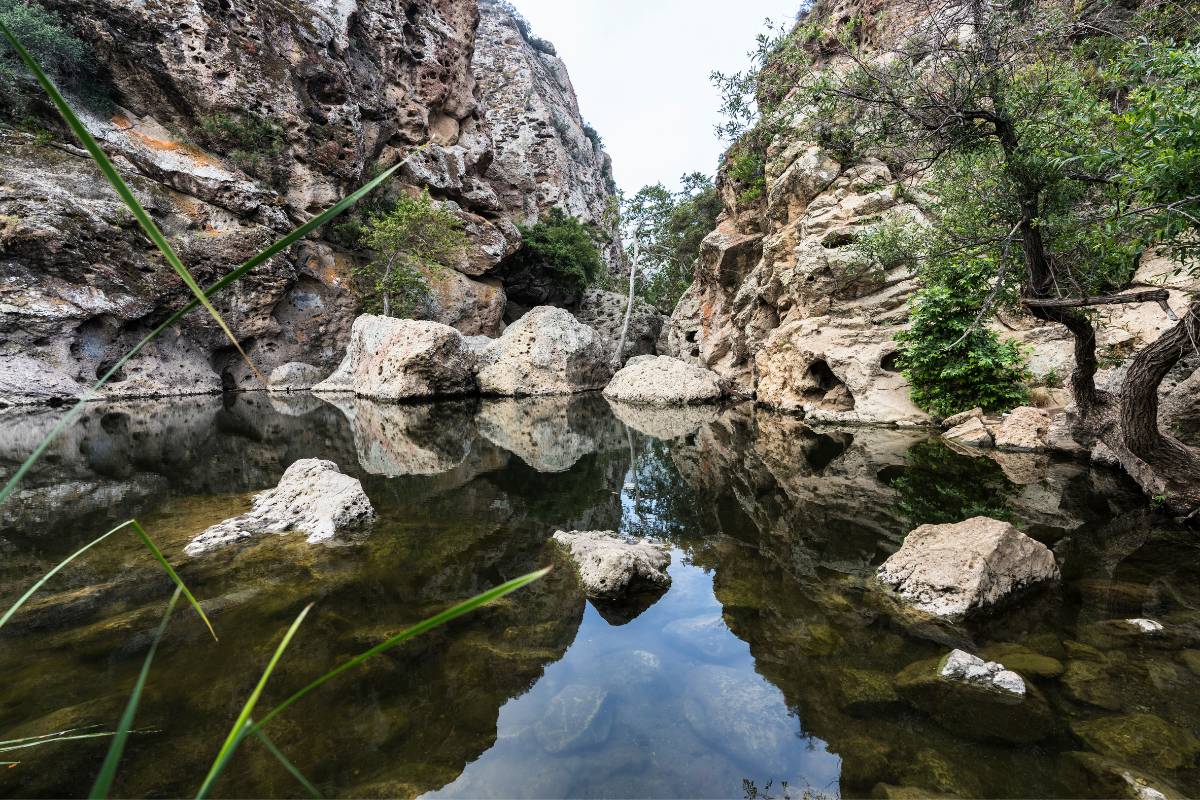
Deep within the volcanic rock formations of the Angeles National Forest, roughly an hour’s drive from downtown Los Angeles, the area known as Deep Creek Hot Springs remains a primary destination for hikers seeking natural thermal waters. Situated along the Pacific Crest Trail, this geothermal site is managed by the San Bernardino National Forest under the U.S. Forest Service, which oversees the surrounding wilderness area to balance public access with environmental protection.
The location is characterized by a series of natural pools fed by thermal springs, which emerge from the earth at temperatures ranging from 100°F to 103°F, according to data maintained by the U.S. Forest Service. Because the springs are located within a rugged canyon, the journey requires a significant hike—typically between two and three miles depending on the chosen trailhead—making accessibility a critical factor for visitors planning their travel.
Navigating Access and Environmental Regulations
Visitors to Deep Creek Hot Springs must adhere to specific regulations established by the U.S. Forest Service to preserve the fragile riparian ecosystem. The area is subject to strict permit requirements and parking restrictions due to its popularity and the limited capacity of the surrounding canyon terrain. As noted by the San Bernardino National Forest administration, permits are required for entry, and officials frequently enforce parking citations for vehicles left in restricted areas along the narrow mountain roads leading to the trailhead.

The terrain is steep and can be challenging, particularly during the summer months when temperatures in the high desert can exceed 100°F. The Forest Service advises hikers to carry at least one gallon of water per person and to avoid the mid-day heat. Safety protocols are essential, as the canyon is prone to flash flooding during storm events, and cellular service is often non-existent once hikers descend into the drainage basin.
Geological Significance and Water Quality
The geothermal activity at Deep Creek is a result of the region’s complex tectonic setting near the San Andreas Fault. The mineral-rich water emerges from the volcanic and metamorphic bedrock, creating distinct pools that vary in temperature based on their proximity to the spring vents. However, public health officials have issued ongoing advisories regarding water quality in the area.

According to the Centers for Disease Control and Prevention (CDC), natural hot springs can harbor microorganisms such as Naegleria fowleri, an amoeba found in warm freshwater environments. While infections are rare, the CDC emphasizes that swimmers should avoid submerging their heads or allowing water to enter the nose, as this is the primary route for potential exposure. Visitors are encouraged to check local county health department bulletins before planning a trip, as water quality can fluctuate based on seasonal rainfall and usage levels.
Visitor Responsibility and Leave No Trace Principles
The sustainability of the Deep Creek Hot Springs depends heavily on visitor compliance with “Leave No Trace” principles. Because the site is located in a remote wilderness zone, there are no trash collection services or restroom facilities at the springs themselves. The Leave No Trace Center for Outdoor Ethics advocates for packing out all waste, including human waste, to prevent the contamination of the creek, which serves as a vital water source for local wildlife.

In recent years, the U.S. Forest Service has increased patrols in the area to address issues related to illegal camping, littering, and the disturbance of native vegetation. Hikers are reminded that the area is home to diverse species, including sensitive bird populations and desert flora, which are protected under federal land management statutes. Respecting these boundaries ensures that the trail and the thermal pools remain open for public use.
Planning Your Visit
Before departing, travelers should verify the current status of the Pacific Crest Trail segments near the springs, as closures due to fire danger or trail maintenance can occur without warning. Official updates are posted regularly on the San Bernardino National Forest website. It is recommended to check the site 24 to 48 hours prior to arrival for any emergency alerts or fire restrictions that may prohibit the use of camp stoves or open flames in the vicinity.
For those interested in the history and geology of the region, the Forest Service occasionally provides educational resources through their visitor centers in Big Bear or Skyforest. As the popularity of Southern California’s outdoor spaces continues to rise, the responsibility for maintaining the integrity of these natural features rests with the hikers who frequent them. Readers are encouraged to share their experiences regarding trail conditions or official updates in the comments section below to assist fellow outdoor enthusiasts in planning their journeys safely.