The Enduring Legacy of the Wolf in Our Canine Companions: A Genomic Revelation
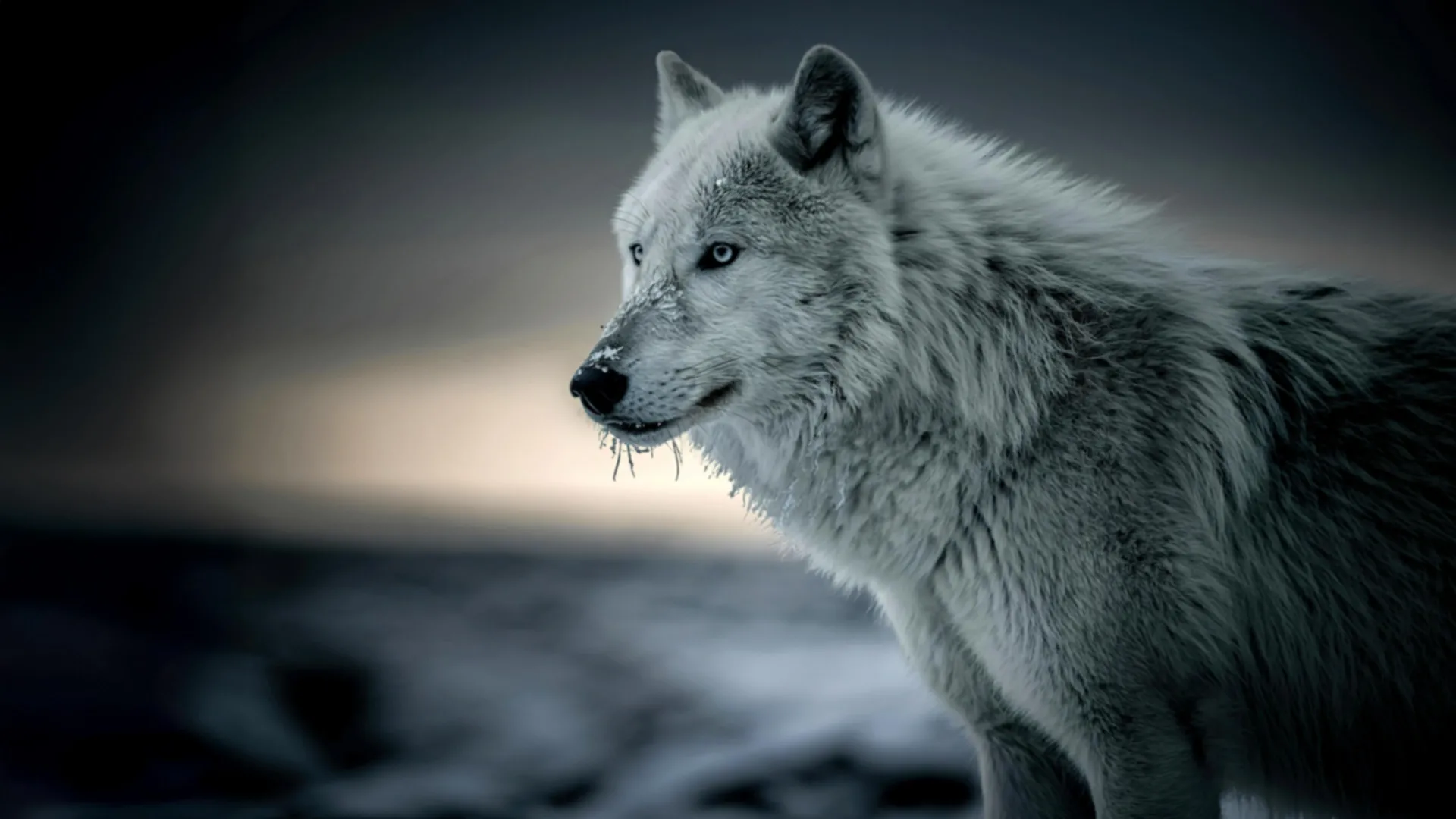
For millennia, the domestic dog ( Canis lupus familiaris) has held a unique place in human society – as companion, worker, and even family member.But beneath the diverse tapestry of breeds lies a surprising and significant truth: the wolf, Canis lupus, continues to exert a powerful influence on the genetic makeup and even the behavioral traits of modern dogs.Recent groundbreaking research, analyzing the genomes of breed dogs, village dogs, and ancient canids, has revealed the pervasive and ongoing impact of wolf ancestry, reshaping our understanding of canine evolution and behavior.
A Widespread Genetic Footprint: Wolf Hybridization throughout Canine History
The study, meticulously conducted by researchers from institutions including the National Museum of Natural History and the University of California, Davis, demonstrates that wolf-dog hybridization isn’t a historical anomaly, but a recurring theme throughout the domestication process and continuing to the present day. Astonishingly, nearly two-thirds of modern breed dogs retain detectable wolf ancestry within their nuclear genomes, stemming from hybridization events that occurred approximately 1,000 generations ago. This isn’t limited to breeds intentionally crossed with wolves; even free-roaming village dogs, those living in close proximity to human settlements, consistently exhibit wolf genetic signatures.
This finding underscores a complex history. Early domestication wasn’t a single event, but likely involved repeated interactions and interbreeding between proto-dogs and wild wolf populations.This ongoing gene flow has contributed to the remarkable adaptability and diversity we see in dogs today.
Tracing Wolf Ancestry Across Breeds: Surprises and Insights
While intentional wolf-dog hybrids like the Czechoslovakian and Saarloos wolfdogs predictably exhibit the highest levels of wolf ancestry (23-40%), the distribution within established breeds is far more nuanced and, in some cases, unexpected. The Great Anglo-French tricolor hound, a common breed in France, displayed a surprisingly high wolf ancestry of 4.7 to 5.7 percent – a result researchers are still investigating. The Shiloh shepherd, bred in the US with the aim of improving health through recent hybridization, showed 2.7 percent wolf ancestry, aligning with its breeding history. Even the Tamaskan, a breed deliberately engineered for a wolf-like appearance, carries approximately 3.7 percent wolf DNA.
the study also revealed broader trends. Larger dog breeds, particularly those bred for demanding tasks, tend to exhibit higher wolf ancestry. This includes Arctic sled dogs, working “pariah” breeds (often found in rural communities), and hunting dogs. Conversely,terriers,gundogs,and scent hounds generally show lower levels. However, exceptions exist, highlighting the intricate and often unpredictable nature of canine genetics. Even the diminutive Chihuahua, a breed seemingly far removed from its wild ancestors, possesses approximately 0.2 percent wolf ancestry – a finding that, as researcher Dr. Lin wryly noted, “entirely makes sense to anyone who owns a chihuahua.”
Beyond Genetics: Behavioral Echoes of the Wolf
The influence of wolf ancestry extends beyond the purely genetic. Researchers compared behavioral descriptions from kennel clubs, revealing a compelling correlation between wolf ancestry and temperament. Breeds with lower wolf ancestry were consistently described as “pleasant,” “eager to please,” and “easy to train” – traits favored in companion animals. In contrast, breeds with higher wolf ancestry were more often characterized as “suspicious of strangers,” “autonomous,” “dignified,” “alert,” “loyal,” “reserved,” and “territorial” – behaviors reminiscent of their wild counterparts.
It’s crucial to note that these are descriptions provided by humans, and the direct link between specific genes and these traits remains an area of ongoing research. Though, the observed patterns suggest that wolf-derived genes may contribute to certain behavioral tendencies. This opens exciting avenues for future studies exploring the genetic basis of canine behavior.
Adaptive Advantages: Wolf Genes Fueling Canine Success
The study also identified specific adaptations inherited from wolves that contribute to the success of modern dogs. Village dogs, such as, show enrichment in genes related to olfactory receptors – likely enhancing their ability to locate food sources in human-populated environments. Perhaps even more remarkable, the Tibetan mastiff carries a gene, originating from Tibetan wolf-like ancestors, that allows it to thrive in the low-oxygen conditions of the Tibetan Plateau and Himalayas.
This highlights a key principle of evolution: dogs haven’t simply lost wolf traits during domestication; they’ve repurposed them to solve the challenges of living alongside humans. As study co-author Logan Kistler eloquently stated, “Dogs have had to solve all kinds of evolutionary problems…
Keep reading