Hypertension among young adults is increasingly recognized as a critical public health challenge, driven by shifting lifestyles, chronic stress, and systemic dietary factors. Medical specialists emphasize that high blood pressure—long considered a condition exclusively affecting older populations—now manifests frequently among adults aged 18 to 34, and occasionally in adolescents, frequently remaining undetected for years due to a lack of routine screening.
Recent epidemiological assessments highlight a significant prevalence of elevated blood pressure across various demographics. According to data cited by the World Health Organization and reported by DCMedical, approximately 46 percent of adults in Romania suffer from hypertension, representing one of the highest rates in Europe. Furthermore, data from the SEPHAR III study conducted by the Romanian Society of Hypertension indicate that roughly half of the population aged 18 to 80 contends with elevated blood pressure, while more than 20 percent of those affected remain undiagnosed.
Among younger cohorts, the statistics are particularly stark. Data from DCMedical show that between the ages of 18 and 24, 1 in 7 individuals exhibits elevated blood pressure, a proportion that increases to 1 in 5 among those aged 25 to 34. This downward trend in the age of initial diagnosis points directly to evolving lifestyle patterns rather than fundamental shifts in the pathology of the disease itself.
Drivers of Early-Onset Hypertension
Cardiologists point to several primary risk factors accelerating the onset of hypertension in younger demographics. Chronic stress stands out as a major catalyst. Persistent psychological pressure, demanding professional schedules, erratic daily routines, and constant anxiety prompt the sustained release of cortisol and adrenaline. Over time, this hormonal response forces the cardiovascular system into a prolonged state of alert, causing blood vessels to contract more frequently and the heart to pump with greater intensity.

Sedentary behavior compounds these physiological strains. Without regular physical activity, blood vessels lose their natural elasticity and peripheral vascular resistance increases, requiring the heart to exert more force to circulate blood. Compounding this issue is modern nutrition. Processed foods frequently contain hidden sodium, refined sugars, and trans fats. Excess sodium intake promotes fluid retention, which expands blood volume and elevates pressure against vascular walls.
Obesity represents another potent, independent risk factor for high blood pressure in young adults. Excess visceral adipose tissue—fat surrounding internal organs—releases inflammatory mediators and chronically activates hormonal regulatory systems, including the renin-angiotensin-aldosterone mechanism, which sustains elevated blood pressure levels. Genetic predisposition also plays a role; individuals with a family history of hypertension face a substantially elevated risk, particularly when combined with environmental and lifestyle risk factors.
Recognizing the Silent Signs
Often termed the “silent killer,” hypertension frequently presents without dramatic symptoms, allowing the cardiovascular system to adapt until severe complications arise. However, physicians note that certain subtle warning signs are routinely misattributed to ordinary fatigue or stress. These include morning headaches originating near the base of the skull, a sensation of pressure in the ears or tinnitus, intermittent blurred vision, palpitations, unexplained exhaustion during minimal exertion, and dizziness upon changing posture.
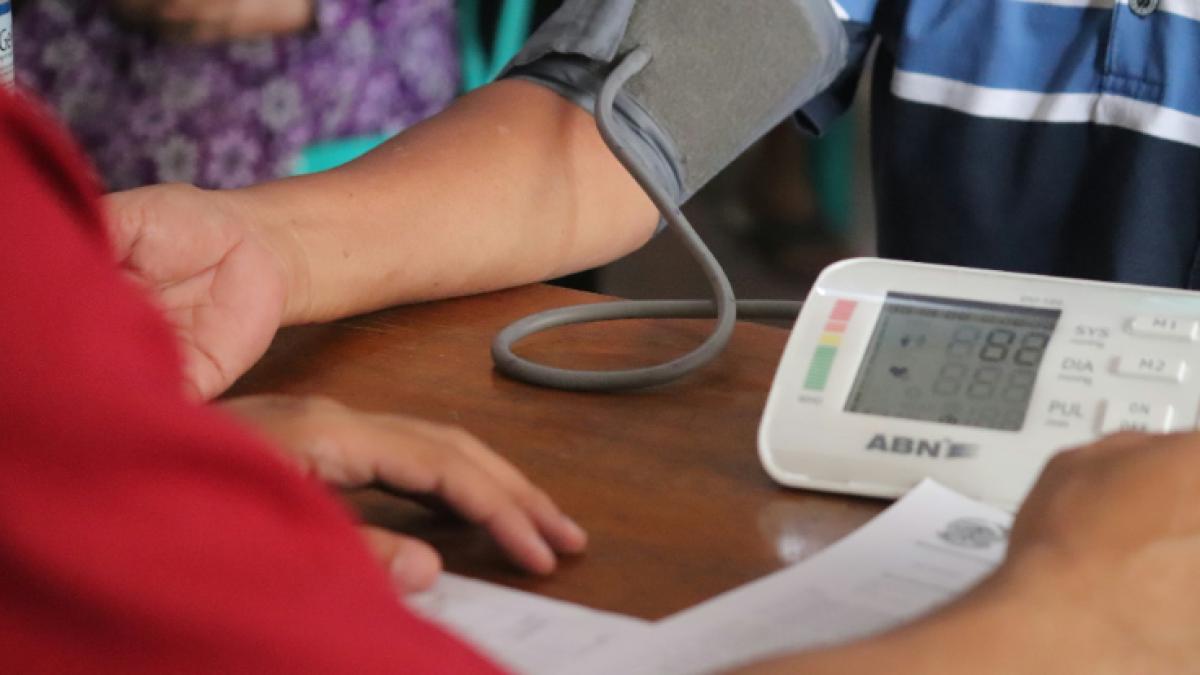
"Un simplu control al tensiunii poate face diferența între prevenție și evoluția unor complicații severe," Dr. Turi stated, noting that hypertension remains a primary underlying cause of myocardial infarction, stroke, and other critical cardiovascular events.
Prevention and Medical Recommendations
Medical professionals advocate for targeted preventive measures centered on lifestyle modifications. Recommended interventions include maintaining an optimal body weight, adopting a balanced diet, engaging in regular physical activity, limiting alcohol consumption, and eliminating tobacco use. Routine blood pressure monitoring remains essential for identifying the condition before irreversible vascular damage occurs.
Healthcare facilities across various regions offer dedicated diagnostic evaluations. For instance, patients presenting with relevant symptoms or risk factors can access specialized cardiac consultations through primary care referrals, facilitating timely intervention and personalized management plans to mitigate long-term cardiovascular risks.