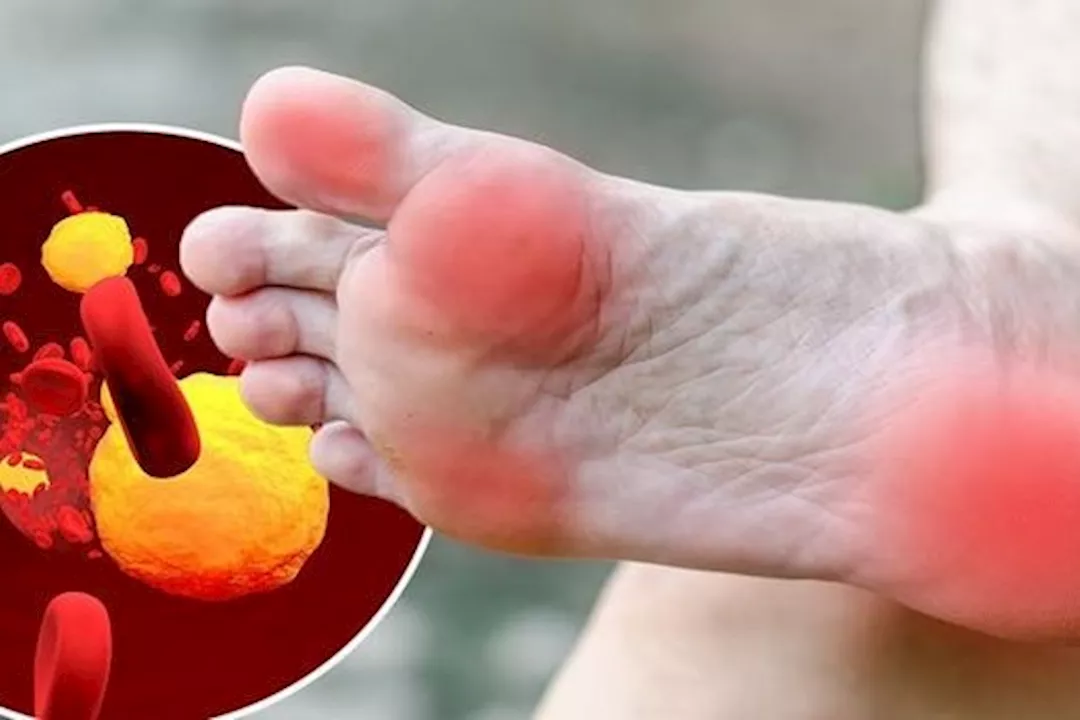
Elevated cholesterol levels, often referred to as hyperlipidemia, can manifest through physical markers in the lower extremities, according to clinical cardiovascular research. Medical professionals emphasize that while high cholesterol is frequently described as a “silent” condition because it lacks overt symptoms in its early stages, persistent lipid deposits—known as xanthomas—or compromised peripheral circulation can occasionally alert patients to underlying vascular health issues.
As a physician, I frequently encounter patients who overlook subtle changes in their extremities, assuming them to be signs of fatigue or aging. However, understanding the physiological link between systemic cholesterol levels and peripheral blood flow is essential for early intervention and the prevention of more severe cardiovascular events, such as myocardial infarction or stroke.
Understanding the Physiological Link Between Cholesterol and Circulation
The primary mechanism connecting high cholesterol to the legs involves the development of atherosclerosis, a process where fatty deposits, or plaques, accumulate within the arterial walls. When these plaques narrow the arteries supplying the lower limbs, the condition is clinically termed Peripheral Artery Disease (PAD), as noted by the National Heart, Lung, and Blood Institute (NHLBI). This restriction of blood flow can lead to sensations of heaviness, cramping, or pain during physical activity, a symptom medically recognized as claudication.
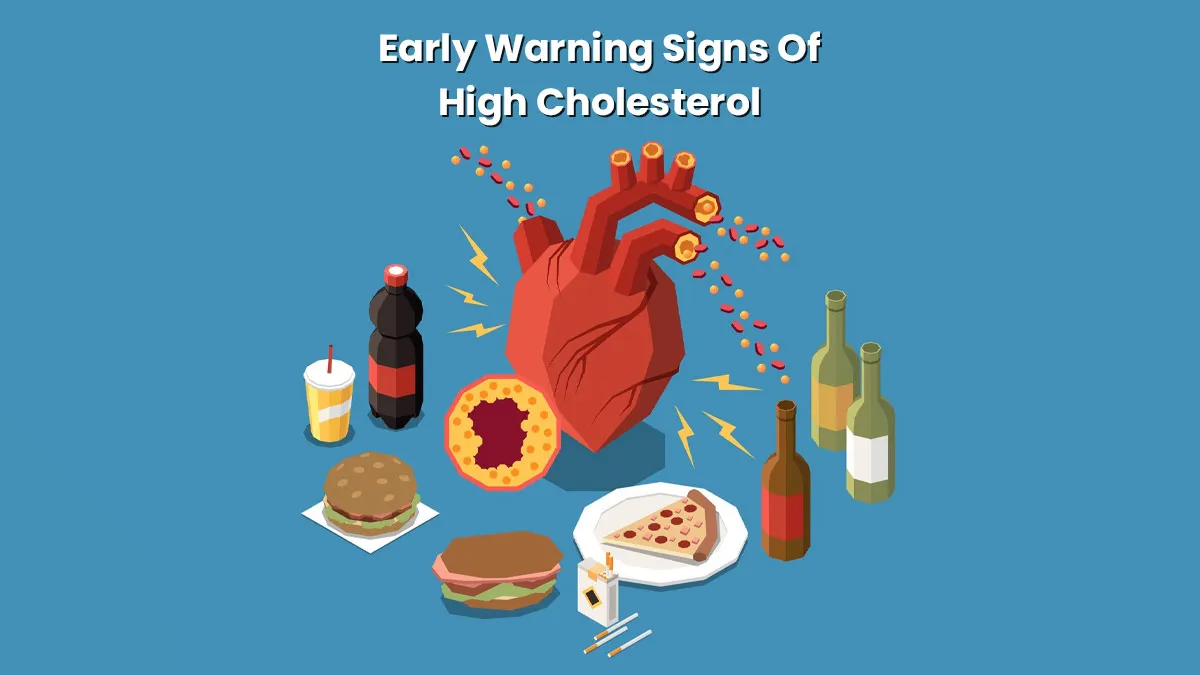
Furthermore, dermatological markers can sometimes appear. Xanthomas—small, yellowish, waxy deposits of cholesterol—may develop under the skin, particularly around the tendons or in the joints of the feet and ankles. These are often associated with genetic conditions such as familial hypercholesterolemia, which causes the body to struggle with the efficient processing of low-density lipoprotein (LDL) cholesterol, according to the Centers for Disease Control and Prevention (CDC). Recognizing these visual cues is not a substitute for a formal lipid panel blood test, but rather a prompt to seek professional medical evaluation.
Recognizing Symptoms in the Lower Extremities
Patients should remain vigilant regarding changes in the appearance and sensation of their legs and feet. Clinical guidelines from the American Heart Association suggest that individuals monitor for specific indicators that may suggest poor circulation or high lipid levels:

- Persistent Coldness: A noticeable temperature difference between one leg and the other, or a sensation of constant coldness in the feet, which may indicate restricted arterial blood flow.
- Skin Texture Changes: The skin on the legs or feet may become shiny, thin, or brittle, sometimes accompanied by a loss of hair growth, which is a hallmark sign of chronic ischemia.
- Slow-Healing Wounds: Small cuts or sores on the feet that take an unusually long time to heal can signal that the tissue is not receiving adequate oxygenated blood, a common complication in patients with long-term, uncontrolled hyperlipidemia.
- Discoloration: Changes in skin tone, such as a pale or bluish tint, especially when the legs are elevated, may warrant a diagnostic check-up.
The Importance of Diagnostic Screening
Because these physical signs are not always present—and are often absent in the majority of patients with high cholesterol—the medical community relies heavily on laboratory diagnostics. The U.S. Preventive Services Task Force (USPSTF) recommends regular screening for lipid disorders in adults aged 40 to 75 years to assess the 10-year risk of cardiovascular disease. A standard lipid panel measures total cholesterol, LDL, high-density lipoprotein (HDL), and triglycerides.
Early detection allows for the implementation of lifestyle modifications, including dietary shifts toward heart-healthy fats and increased physical activity, or the initiation of pharmacological interventions such as statins. These treatments are designed to stabilize plaques and reduce the systemic burden of cholesterol, thereby lowering the risk of arterial blockages that could lead to life-threatening complications.
Clinical Next Steps
If you observe unusual skin lesions, persistent numbness, or pain in your feet, it is advisable to schedule an appointment with your primary care physician or a cardiologist. A physical examination, potentially followed by an ankle-brachial index (ABI) test—which compares blood pressure in the ankle with blood pressure in the arm—can determine if there is a compromise in peripheral circulation.
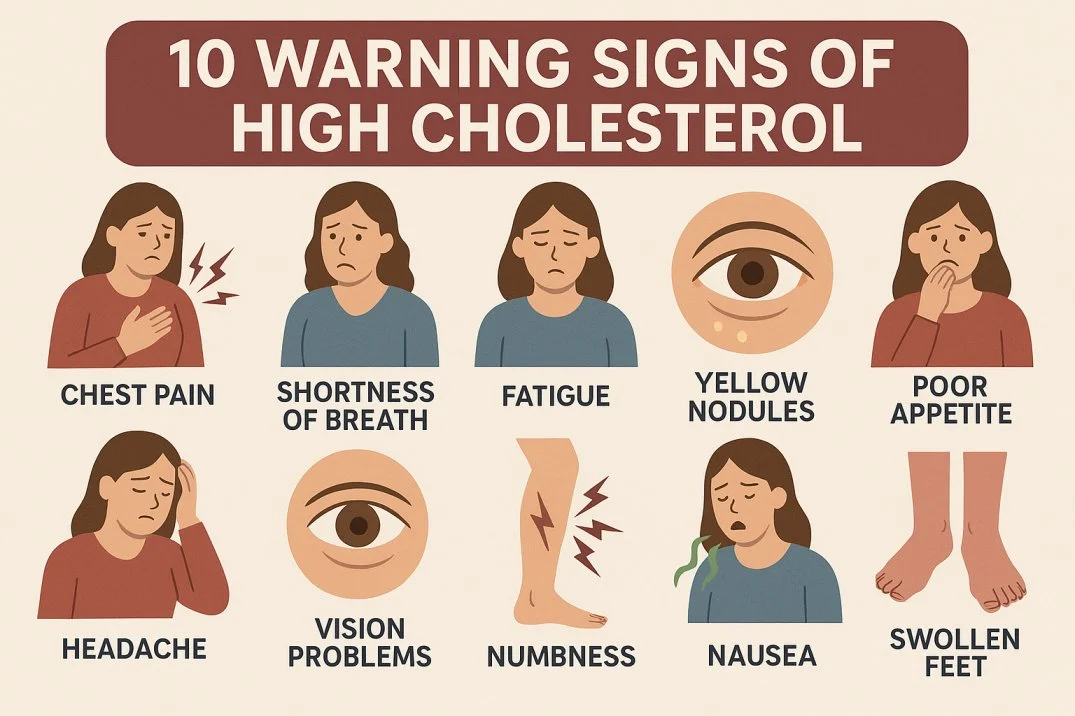
The most effective strategy for managing cardiovascular health remains consistent monitoring. We encourage readers to discuss their specific lipid profiles with their healthcare providers during their next scheduled physical examination. For those currently managing high cholesterol, adherence to prescribed medication and routine follow-up appointments are vital to maintaining vascular integrity. We welcome your questions and encourage you to share this information with those who may benefit from a better understanding of their cardiovascular health.
Keep reading